-

Chenodeoxycholic acid CAS:474-25-9
Chenodeoxycholic acid, also known as chenodesoxycholic acid, is a bile acid created in the liver. It aids in the digestion and absorption of dietary fats. This acid can be used to treat gallstone-related conditions.
-
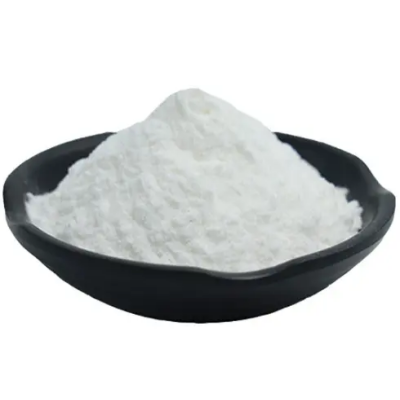
5-Chloro-8-hydroxyquinoline CAS:130-16-5
5-Chloro-8-hydroxyquinoline is a chemical compound with antimicrobial properties. It is commonly used as a biocide and preservative in various industrial and commercial applications. This compound has attracted attention due to its broad-spectrum antimicrobial activity and potential utility in controlling microbial growth. Additionally, 5-Chloro-8-hydroxyquinoline is being investigated for its potential pharmaceutical applications and as a building block in the synthesis of other biologically active compounds.
-
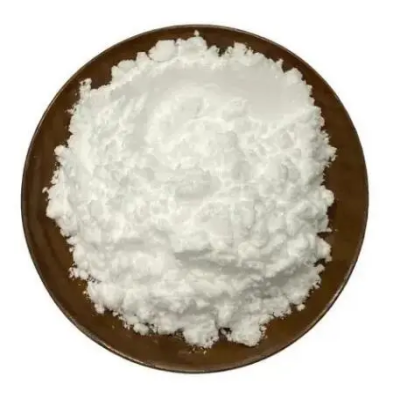
2-Chloro-4,6-dimethoxypyrimidine CAS:13223-25-1
2-Chloro-4,6-dimethoxypyrimidine is a chemical compound widely used as an intermediate in the synthesis of pharmaceuticals and agrochemicals. Its versatile reactivity and structural properties make it valuable in organic chemistry and industrial applications. Ongoing research investigates its potential biological activities and explores its role as a building block in the creation of diverse organic compounds.
-
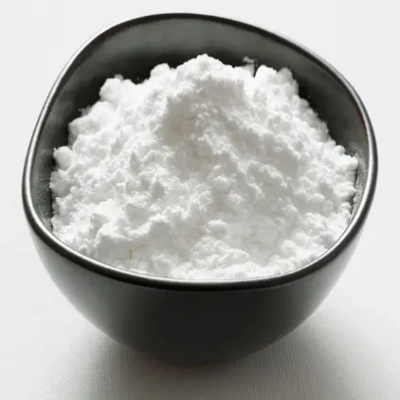
Diisopropyl D-(-)-tartrate CAS:62961-64-2
Diisopropyl D-(-)-tartrate, also known as Diisopropyl D-(-)-tartrate, is a chemical compound widely used in various industries. This compound serves as a resolving agent and chiral auxiliary, playing a crucial role in the production of optically pure compounds in synthetic organic chemistry. It finds applications in the synthesis of pharmaceuticals, agrochemicals, fragrances, and other fine chemicals that require precise control over stereochemistry.
-

Diethyl L-(+)-tartrate CAS:87-91-2
Diethyl L-(+)-tartrate, also known as Diethyl L-(+)-tartrate, is a chemical compound with various industrial applications. It is commonly used as a resolving agent and chiral auxiliary in synthetic organic chemistry, facilitating the production of optically pure compounds. This compound finds extensive use in the pharmaceutical, agrochemical, and fragrance industries, where precise control over stereochemistry is essential for the synthesis of high-purity and biologically active substances.
-
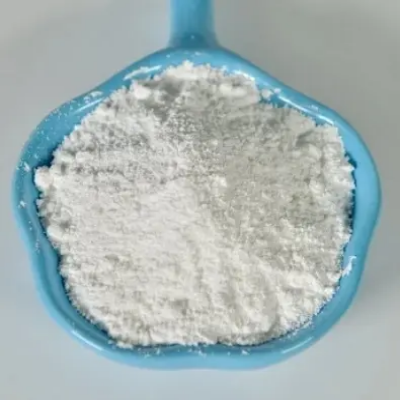
Diethyl D-(-)-tartrate CAS:13811-71-7
Diethyl D-(-)-tartrate, also called Diethyl D-(-)-tartrate, is a chemical compound used in various applications. It functions as a resolving agent and chiral auxiliary, playing a vital role in the production of optically pure compounds in synthetic organic chemistry. The compound finds extensive use in industries such as pharmaceuticals, agrochemicals, fragrances, and fine chemicals, where precise control over stereochemistry is crucial.
-
Dimethyl L-tartrate CAS:608-68-4
Dimethyl L-tartrate, also known as Dimethyl L-tartrate, is a chemical compound with diverse industrial applications. It is commonly used as a resolving agent and chiral auxiliary in synthetic organic chemistry, contributing to the production of optically pure compounds. This compound finds extensive use in the pharmaceutical, agrochemical, and fragrance industries, where precise control over stereochemistry is essential for the synthesis of high-purity and biologically active substances.
-
Dibenzoyl-D-tartaric acid CAS:17026-42-5
Dibenzoyl-D-tartaric acid is a versatile chemical compound widely used in pharmaceutical and fine chemical industries. Its primary application lies in serving as a chiral resolving agent, allowing for the separation of enantiomers. Additionally, it plays a crucial role as an intermediate in the synthesis of chiral ligands and catalysts, contributing to advancements in asymmetric synthesis processes.
-
2-Amino-4,6-dimethoxypyrimidine CAS:36315-01-2
2-Amino-4,6-dimethoxypyrimidine is a chemical widely used as an intermediate in pharmaceutical and agrochemical synthesis. Its versatile reactivity and structural properties make it valuable in organic chemistry and industrial applications.
-

2-Amino-4-chloro-6-methoxypyrimidine CAS:5734-64-5
2-Amino-4-chloro-6-methoxypyrimidine is a chemical compound widely used as an intermediate in the synthesis of pharmaceuticals, agrochemicals, and dyes. Its versatile reactivity and structural properties make it valuable in organic chemistry and industrial applications.
-

Diisopropyl L-(+)-tartrate CAS:2217-15-4
Diisopropyl L-(+)-tartrate is a versatile chemical compound widely used in synthetic organic chemistry. Its primary application lies in serving as a resolving agent and chiral auxiliary, enabling the production of optically pure compounds for pharmaceuticals, agrochemicals, and fragrances. Additionally, it contributes to advancements in asymmetric synthesis processes.
-

Dibenzoyl-L-tartaric acid CAS:2743-38-6
Dibenzoyl-L-tartaric acid is a versatile chemical compound widely used in pharmaceutical and fine chemical industries. Its primary application lies in serving as a chiral resolving agent, allowing for the separation of enantiomers. Additionally, it plays a crucial role as an intermediate in the synthesis of chiral ligands and catalysts, contributing to advancements in asymmetric synthesis processes.

