-

(4-Amino-3-bromophenyl)methanol CAS:146019-46-7
(4-Amino-3-bromophenyl)methanol is a chemical compound used in pharmaceutical, agrochemical, and material science industries. With the molecular formula C7H8BrNO, it appears as a white to off-white solid. Also known as 3-(4-aminophenyl)propan-1-ol, this compound serves as a valuable building block in organic synthesis due to its unique structure and reactivity. Its versatility makes it an essential intermediate for the development of various drugs, agrochemicals, and advanced materials.
-
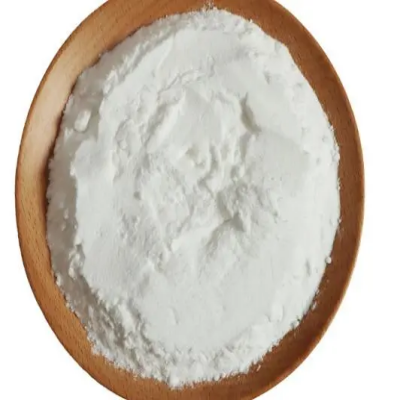
(R)-2-Bromo-1-(4-fluorophenyl)ethanol CAS:1097211-38-5
(R)-2-Bromo-1-(4-fluorophenyl)ethanol is a chiral building block containing a 2-bromoethyl alcohol moiety bonded to a 4-fluorophenyl ring. The presence of the reactive alcohol and bromine groups, along with stereochemical complexity from the R-chirality center, allows this molecule to engage in diverse substitution, addition and resolution reactions.
-
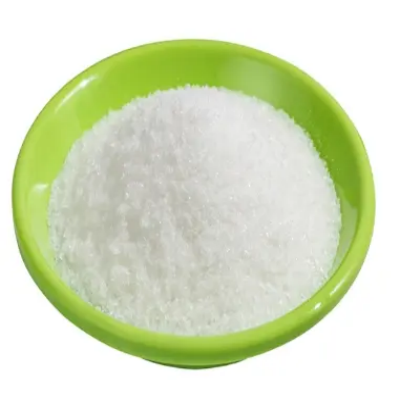
(3-(3-Fluorophenyl)isoxazol-5-yl)methanol CAS:954240-02-9
Introducing our new portable blender, perfect for making smoothies and shakes on the go. This sleek and compact blender is designed to easily blend fruits, vegetables, and protein powders into a delicious and nutritious drink in just seconds. With a powerful motor and sharp blades, this blender can handle even the toughest ingredients with ease. Its rechargeable battery allows for convenient use anywhere, whether at home, work, or the gym. Say goodbye to bulky blenders and enjoy fresh, healthy drinks wherever you are with our portable blender.
-
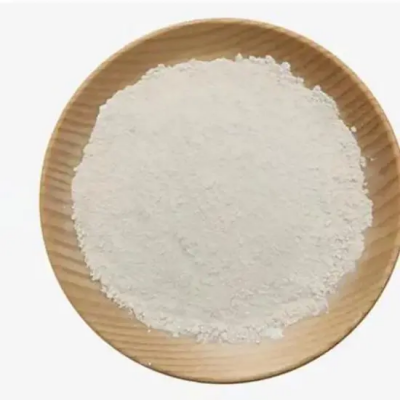
2-(Ethoxycarbonyl)-1,2,3,4-tetrahydroisoquinoline-1-carboxylic acid CAS:132589-66-3
2-(Ethoxycarbonyl)-1,2,3,4-tetrahydroisoquinoline-1-carboxylic acid is a organic compound containing an isoquinoline ring system along with a carboxylic acid and ethyl ester functional group. The presence of these reactive groups makes it amenable to a wide range of chemical transformations. The ethyl ester and acid moieties can participate in ester hydrolysis, aminolysis, and acid-base reactions. Additionally, the isoquinoline nucleus provides opportunities for functionalization under various substitution and addition reactions.
-
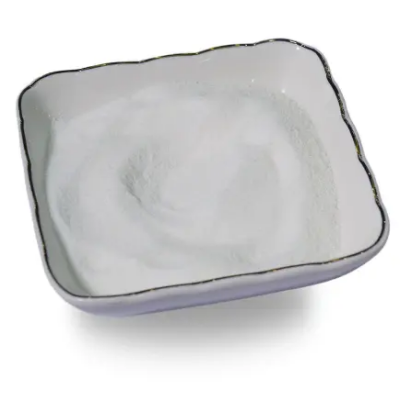
(3-Amino-pyridin-4-yl)-methanol CAS:152398-05-5
The (3-Amino-pyridin-4-yl)-methanol is a versatile chemical compound used in various industries such as pharmaceuticals, agrochemicals, and material sciences. Also known as 3-amino-4-pyridinemethanol, it is a white to off-white solid with the molecular formula C6H8N2O. This compound is widely used as a building block in the synthesis of complex organic molecules due to its unique structure and reactivity. It serves as a key intermediate in the production of pharmaceuticals, especially in the development of novel drugs targeting specific biological pathways.
-
(2R,4R)-tert-butyl 4-hydroxy-2-(iodomethyl)pyrrolidine-1-carboxylate CAS:132589-66-3
(2R,4R)-tert-Butyl 4-hydroxy-2-(iodomethyl)pyrrolidine-1-carboxylate is a chiral compound containing a pyrrolidine ring with an alcohol, ester and alkyl halide substituent. The R stereochemistry at the 2 and 4 positions of the ring give it a well-defined three dimensional structure important for biochemical interactions. The alcohol, ester and iodomethyl groups provide multiple reactive sites for organic transformations.
-
Tris(triphenylphosphine)rhodiu CAS:14694-95-2
Tris(triphenylphosphine)rhodium, with the chemical formula RhCl(PPh3)3, is a well-known coordination complex in organometallic chemistry. It features a rhodium atom coordinated to three triphenylphosphine ligands and a chloride ion. This complex is renowned for its significance as a catalyst in various organic transformations, particularly in hydrogenation reactions.
-
Tris(triphenylphosphine)ruthenium(II) chloride CAS:15529-49-4
Tris(triphenylphosphine)ruthenium(II) chloride, with the chemical formula RuCl(PPh3)3, is a coordination complex in organometallic chemistry. It features a ruthenium atom coordinated to three triphenylphosphine ligands and a chloride ion. This complex is notable for its catalytic activity in various organic transformations.
-
Sodium tetrachloropalladate(II) CAS:13820-53-6
Sodium tetrachloropalladate(II), with the chemical formula Na2[PdCl4], is a compound consisting of sodium ions and tetrachloropalladate(II) anions. It exists as a yellow crystalline solid and is soluble in water and other polar solvents.
-
Rhodium(III) chloride hydrate CAS:20765-98-4
Rhodium(III) chloride hydrate is a rhodium compound that contains chloride ions and water molecules. It is commonly used as a catalyst in various organic transformations due to its unique reactivity and catalytic properties.
-
Sodium hexachloroplatinate(IV) hexahydrate CAS:19583-77-8
Sodium hexachloroplatinate(IV) hexahydrate, with the chemical formula Na2[PtCl6]·6H2O, is a hydrated salt composed of sodium ions and hexachloroplatinate(IV) anions, each coordinated with six water molecules. It is a crystalline solid with a yellow color and is soluble in water.
-
PALLADIUM (I) TRI-TERT-BUTYLPHOSPHINE BROMIDE CAS:185812-86-6
PALLADIUM (I) TRI-TERT-BUTYLPHOSPHINE BROMIDE is a coordination complex widely used in organic synthesis. It serves as a catalyst in various cross-coupling reactions, especially in the formation of carbon-carbon and carbon-heteroatom bonds. This complex is valued for its high catalytic activity and selectivity, making it a versatile tool in the field of organometallic chemistry.

