-
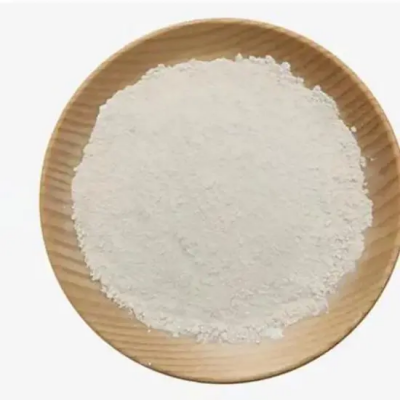
Poly-L-Glutamic Acid (γ–PGA) CAS:25513-46-6
Introducing Poly-L-Glutamic Acid (γ-PGA), a naturally-derived biopolymer renowned for its exceptional moisturizing and film-forming properties in skincare. This water-soluble compound, often sourced from fermented soybeans, offers superior hydration, skin barrier support, and a smooth, non-sticky feel upon application. γ-PGA is celebrated for its compatibility with various skin types and its ability to enhance the effectiveness of other active ingredients, making it a sought-after component in hydrating and anti-aging formulations.
-
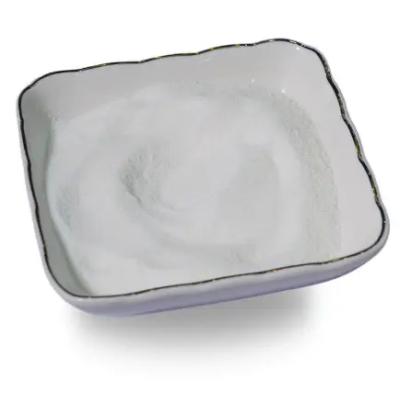
Salicylic acid CAS:69-72-7
Salicylic acid is a beta-hydroxy acid renowned for its exfoliating and acne-fighting properties in skincare. This versatile ingredient penetrates deep into pores to unclog and remove excess oil, dead skin cells, and debris, making it an effective treatment for acne, blackheads, and blemishes. Salicylic acid also helps promote skin cell turnover, resulting in smoother, clearer skin with continued use.
-
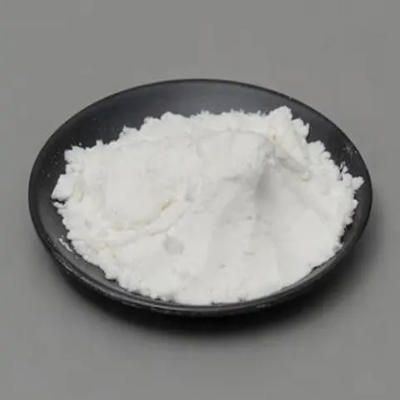
Sodium dehydroacetate CAS:4418-26-2
Sodium dehydroacetate is a versatile preservative commonly utilized in cosmetic and personal care products for its antimicrobial properties. This compound helps prevent the growth of bacteria, fungi, and other microorganisms, extending the shelf life of formulations without compromising product safety. Sodium dehydroacetate is valued for its efficacy in maintaining product integrity and quality, making it an essential ingredient in various skincare, haircare, and makeup products.
-
![tert-Butyldimethyl[((2S)-oxiran-2-yl)methoxy]silane CAS:123237-62-7](https://cdn.globalso.com/xindaobiotech/1ZX_HC366YSVPV22D9H18.png)
tert-Butyldimethyl[((2S)-oxiran-2-yl)methoxy]silane CAS:123237-62-7
tert-Butyldimethyl[((2S)-oxiran-2-yl)methoxy]silane is an organosilicon compound with the molecular formula C9H21OSi. It exists as a colorless liquid and belongs to the class of silane derivatives containing a tert-butyldimethylsilyl group and a (2S)-oxiran-2-ylmethoxy moiety. This compound is known for its utility as a versatile reagent in organic synthesis, chemical transformations, and material science due to its unique structural characteristics and reactivity.
-
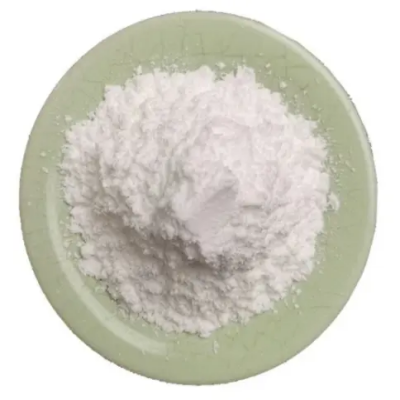
Loxoprofen CAS:68767-14-6
Loxoprofen is a nonsteroidal anti-inflammatory drug (NSAID) that exhibits analgesic, anti-inflammatory, and antipyretic properties. It is commonly used for the treatment of pain and inflammation associated with various conditions.
-

Uridine CAS:66-22-8
Uridine is a nucleoside that serves as a building block for RNA and plays a crucial role in various biochemical processes within the body.
-
N-oleoylethanolamine CAS:111-58-0
N-oleoylethanolamine is a lipid molecule naturally found in the body and known for its potential role in various physiological processes, including appetite regulation and lipid metabolism.
-
L-5-Methyltetrahydrofolatecalcium CAS:151533-22-1
L-5-Methyltetrahydrofolate calcium is the calcium salt of L-5-methyltetrahydrofolate, an active form of folate. It is utilized for its role in various physiological processes and medical applications.
-

benzoylglycine CAS:495-69-2
Benzoylglycine is an organic compound with the chemical formula C9H9NO3. It exists as a crystalline solid and belongs to the class of aromatic compounds containing both a benzoyl group and a glycine moiety. This compound is recognized for its significance in organic synthesis, pharmaceutical research, and biochemical studies due to its unique structural features and reactivity.
-
Adipicacid CAS:124-04-9
Adipic acid is a dicarboxylic acid with the molecular formula C6H10O4. It exists as a white crystalline solid and is known for its involvement in various industrial processes and applications. As a crucial intermediate in the production of nylon and other polymers, adipic acid plays a significant role in the synthesis of diverse materials and chemicals.
-
a-Cyclohexyl-MandelicAcidMethylEster CAS:10399-13-0
α-Cyclohexyl-Mandelic Acid Methyl Ester is a chemical compound known for its diverse applications in various industries, owing to its unique properties and versatile nature.
-
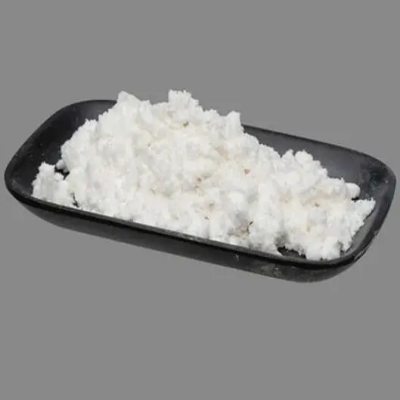
6-Amino-1,3-dimethyluracil CAS:6642-31-5
6-Amino-1,3-dimethyluracil is a chemical compound with the molecular formula C6H8N4O. It is a white crystalline solid and belongs to the class of uracil derivatives. This compound is notable for its presence as a key structural component in various nucleosides and nucleotides. 6-Amino-1,3-dimethyluracil has garnered interest in the fields of medicinal chemistry and biochemical research due to its role in nucleic acid analogs and potential pharmaceutical applications.

