-
Lactic Acid CAS:50-21-5
Lactic acid is a naturally occurring organic acid that plays a pivotal role in various industries, including food, pharmaceuticals, cosmetics, and agriculture. This versatile compound is known for its acidity and its application as a preservative, flavoring agent, pH regulator, and ingredient in various products.
-
Manganese Glycinate CAS:14281-77-7
Manganese glycinate is a form of manganese supplement that combines manganese with the amino acid glycine, providing a highly bioavailable source of this essential mineral. Widely used in dietary supplements, manganese glycinate supports various physiological functions and overall health.
-
Magnesium Citrate CAS:7779-25-1
Magnesium citrate is a compound that combines magnesium with citric acid, resulting in a highly bioavailable form of magnesium. Widely utilized as a dietary supplement, magnesium citrate offers efficient absorption and plays a vital role in supporting various physiological functions.
-
Magnesium Glycinate CAS:14783-68-7
Magnesium glycinate is a form of magnesium supplement that combines magnesium with glycine, an amino acid known for its calming properties. This chelated form of magnesium offers high bioavailability and minimal gastrointestinal side effects, making it a popular choice for individuals seeking to address magnesium deficiencies.
-
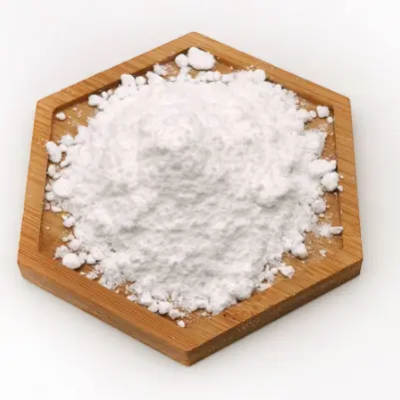
Malic Acid CAS:6915-15-7
Malic acid is a natural organic compound found in various fruits and vegetables, including apples. It is widely used as a food additive due to its sour taste and ability to enhance flavors. Malic acid also plays a role in cosmetic formulations, pharmaceutical products, and industrial applications.
-
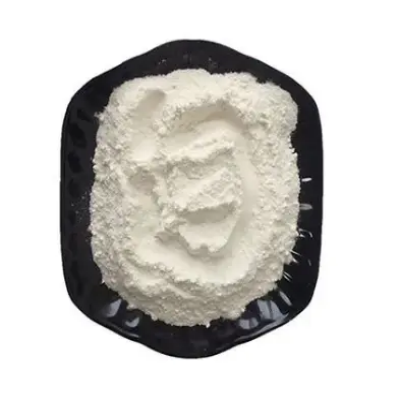
Manganese Gluconate CAS:6485-39-8
Manganese gluconate is a form of manganese supplement that combines manganese with gluconic acid, offering a readily absorbable source of this essential mineral. Commonly used in dietary supplements, manganese gluconate supports various physiological functions and overall health.
-
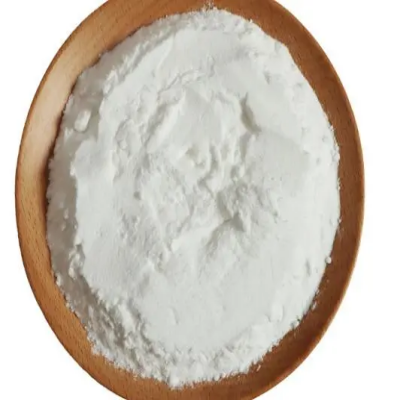
Magnesium Gluconate CAS:3632-91-5
Magnesium gluconate is a mineral supplement that combines magnesium with gluconic acid, resulting in a form of magnesium known for its bioavailability and gentle effects on the digestive system. Widely used as a dietary supplement, magnesium gluconate provides an effective means of addressing magnesium deficiencies and supporting overall health.
-
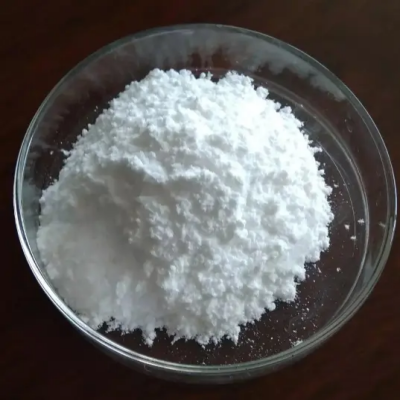
Copper Glycinate CAS:13479-54-4
Copper glycinate is a chelated form of copper in which the mineral is bound to the amino acid glycine. This results in a highly bioavailable and absorbable form of copper, making it an ideal choice for dietary supplements and fortified food products. With its superior stability and gentle digestive properties, copper glycinate offers an effective means of supporting copper intake for individuals with specific nutritional needs.
-
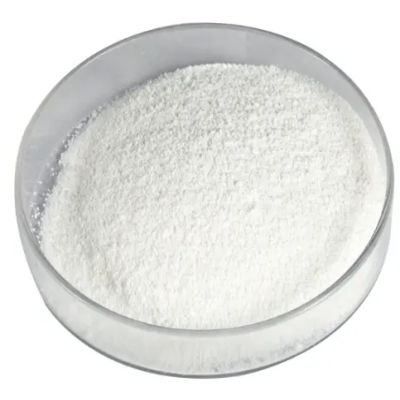
Papain CAS:9001-73-4
Papain is a proteolytic enzyme derived from the latex of the papaya fruit (Carica papaya). This powerful enzyme has widespread applications in various industries, including food, pharmaceuticals, and cosmetics, due to its ability to break down proteins and aid in digestion. Papain is known for its protein-digesting properties and is used for its potential health benefits and industrial uses.
-
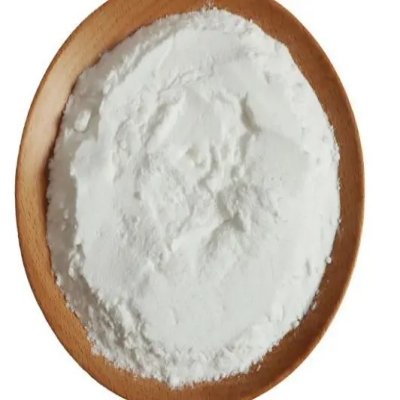
Sodium Molybdate CAS:7631-95-0
Sodium molybdate is a chemical compound containing sodium and molybdenum, recognized for its diverse applications in industrial processes, agriculture, and as a source of molybdenum. Widely used as a corrosion inhibitor, fertilizer additive, and catalyst precursor, sodium molybdate plays a vital role in various sectors.
-
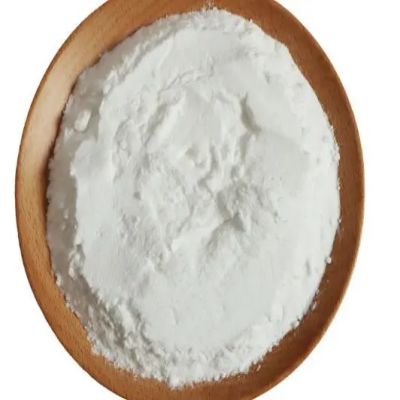
Potassium Iodide CAS:7681-11-0
Potassium iodide is a chemical compound comprising potassium and iodine, recognized for its applications in medicine, radiation emergencies, and as a source of iodine. Widely utilized in the pharmaceutical industry and emergency preparedness, potassium iodide plays a crucial role in addressing iodine deficiencies and protecting the thyroid gland from radiation exposure.
-

Potassium Citrate CAS:866-84-2
Potassium citrate is a potassium salt of citric acid, recognized for its role as an alkalizing agent and potassium supplement. Widely utilized in the pharmaceutical and food industries, potassium citrate plays a critical role in addressing conditions related to urinary health and electrolyte balance.