-

Alpha-Ketoglutaric Acid Calcium Salt CAS:71686-01-6 Manufacturer Supplier
Alpha-Ketoglutaric Acid Calcium Salt is an intermediate in the production of ATP or GTP in the Krebs cycle. It also acts as the major carbon skeleton for nitrogen-assimilatory reactions. Alpha-Ketoglutaric Acid Calcium Salt is a reversible inhibitor of tyrosinase .
-
Tyrosine CAS:60-18-4 Manufacturer Supplier
Tyrosine is an amino acid building blocks of proteins, and having a side chain having an aromatic ring of ionization, is addicted to the aqueous, tyrosine in the human and animal bodies is generated by the hydroxylation of phenylalanine, so when phenylalanine nutrition is adequate, it is non essential amino acid.
-
L-Ornithine Alpha-Ketoglutarate CAS:5191-97-9 Manufacturer Supplier
L-Ornithine Alpha-Ketoglutarate is one of the products of the action of the enzyme arginase on L-arginine, creating urea. Therefore, ornithine is a central part of the urea cycle, which allows for the disposal of excess nitrogen. Ornithine is recycled and, in a manner, is a catalyst. First, ammonia is converted into carbamoyl phosphate (phosphate-CONH2), which creates one half of urea.
-
Valine CAS:7004-03-7 Manufacturer Supplier
L-valine is the L-enantiomer of valine. It has a role as a nutraceutical, a micronutrient, a human metabolite, an algal metabolite, a Saccharomyces cerevisiae metabolite, an Escherichia coli metabolite and a mouse metabolite.
-
L-Agrinine Alpha-Ketoglutarate CAS:16856-18-1 Manufacturer Supplier
L-Agrinine Alpha-Ketoglutarate,or AAKG.It contains L-arginine,an essential amino acid which our bodies naturally produce. It also contains A-ketoglutarate, a multi-functional molecule also produced in the body.
-
Sodium Alpha-Ketoisocaproate CAS:4502-00-5 Manufacturer Supplier
Sodium Alpha-Ketoisocaproate is an α-ketomonocarboxylic acid that triggers insulin release by acting upon receptor sites which differ from those occupied by amino acids. 4-Methyl-2-oxovaleric Acid is an intermediate in the metabolism of Leucine.
-
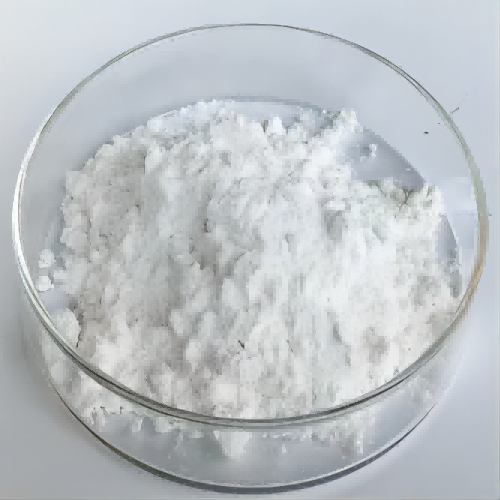
Calcium Alpha-Ketoisocaproate CAS:51828-95-6 Manufacturer Supplier
Calcium Alpha-Ketoisocaproate is mainly used to Prevent and treat the protein metabolism disorders caused by chronic renal insufficiency.Alpha-Ketoisocaproate Calcium can build muscle block, and can prevent muscle weakness. It removes ammonia from the body and reduces muscle fatigue with practice.
-
N-Acetyl-L-Valine CAS:96-81-1 Manufacturer Supplier
An L-valine derivative in which one of the amino hydrogens of L-valine has been replaced by an acetyl group.Ac-Val-OH is an N-protected valine amino acid ligand. It participates in the 2,6-diolefination reaction of phenylacetic acids.
-

Alpha-Ketophenylalanine Calcium CAS:51828-93-4 Manufacturer Supplier
Alpha-Ketophenylalanine Calcium itself does not contain nitrogen. It can be transformed into corresponding amino acids through transamination or amination in blood, which is conducive to the reuse of urea nitrogen, so as to reduce the content of urea nitrogen in blood.
-
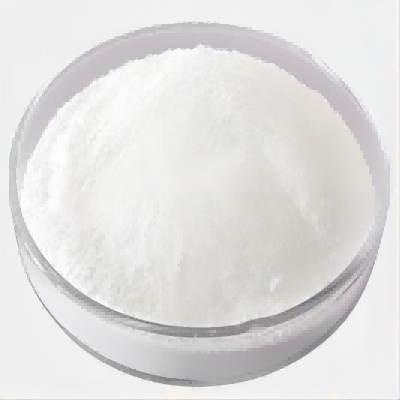
N-Acetyl-L-Tyrosine CAS:537-55-3 Manufacturer Supplier
N-Acetyl-L-Tyrosine is a white crystalline powder that is an acetyl derivative of the amino acid, L-tyrosine. It is freely soluble in water compared to L-tyrosine and is commonly used as a parenteral nutrition supplement. N-Acetyl-L-tyrosine , a stable and more soluble form of tyrosine , has been incorporated in some currently available commercial parenteral amino acid formulations such as TrophAmine and Aminosyn-II.
-
Alpha-Ketoleucine Calcium CAS:51828-95-6 Manufacturer Supplier
Alpha-Ketoleucine Calcium is an organic compound commonly used in the pharmaceutical field and chemical research. It has a wide range of uses and important roles.Alpha-Ketoleucine Calcium is widely used in the pharmaceutical field. As an important intermediate, it can be used to synthesize various drugs.
-
Serine CAS:56-45-1 Manufacturer Supplier
Serine is an amino acid essential for the synthesis of phosphatidylserine, which is a component of the membrane of brain cells (i.e., neurons). It can be produced in the body, including the brain, but an external supply from the diet is essential in maintaining necessary levels. Although preclinical studies suggest L-serine may inhibit inflammation in the brain, levels of L-serine in humans do not appear to be associated with dementia or cognitive decline. Because L-serine is a naturally occurring amino acid, supplementation is likely safe in moderation.