-
Norvaline CAS:6600-40-4 Manufacturer Supplier
L-Norvaline, an amino acid nutritional supplements, is a nonessential amino acid that’s typically found in protein-rich foods, such as meat and eggs. And, it can also be made by the body from valine during normal metabolism. L-norvaline is frequently consumed by athletes as part of their workout supplement program. It is usually used for pre-workout drinks to boost energy and support post-workout recovery. During workouts, L-norvaline improves muscle tissue strength and endurance by providing massive amounts of oxygen and nutrients.
-
Ornithine HCL CAS:3184-13-2 Manufacturer Supplier
L(+)-Ornithine hydrochloride is a non-essential amino acid. It is manufactured in the body utilizing L-Arginine which is an important precursor needed to manufacture Citrulline, Proline and Glutamic Acid.L-Ornithine is one of the products of the action of the enzyme arginase on L-arginine, creating urea. Therefore, ornithine is a central part of the urea cycle, which allows for the disposal of excess nitrogen. Ornithine is recycled and, in a manner, is a catalyst. First, ammonia is converted into carbamoyl phosphate (phosphate-CONH2), which creates one half of urea.
-
Phenylalanine CAS:63-91-2 Manufacturer Supplier
Phenylalanie is an essential amino acid and it is the precursor of the amino acid tyrosine. The body cannot make phenylalanie but it needs phenylalanie to produce proteins. Thus, human needs to obtain phenylalanie from food. 3 forms of phenylalanie are found in the nature: D-phenylalanine, L-phenylalanine, and DL-phenylalanine. Among these three forms, L-phenylalanine is the natural form found in most foods that containing proteins, including beef, poultry, pork, fish, milk, yogurt, eggs, cheeses, soy products, and certain nuts and seeds.
-
Phenylglycine CAS:2935-35-5 Manufacturer Supplier
Phenylglycine is an amide that belongs to the group of pyridoxal phosphate analogues. It has been shown to be a response element for enzymes and natural compounds in Escherichia coli and Saccharomyces cerevisiae. It inhibits aminotransferase activity, dopamine synthesis, and microbial metabolism in these organisms. This compound also has a structural analysis that includes x-ray diffraction data, which can be used to identify its three-dimensional structure.
-
Proline CAS:344-25-2 Manufacturer Supplier
L-proline is one of the 20 amino acids that are used to synthesize proteins by the human body. Functions of proline include helping form collagen, regenerating cartilage, forming connective tissue, repairing skin damage and wounds, healing the gut lining, and repairing joints.D-proline is the D-enantiomer of proline. It has a role as a mouse metabolite. It is a D-alpha-amino acid and a proline. It is a conjugate base of a D-prolinium. It is a conjugate acid of a D-prolinate. It is an enantiomer of a L-proline. It is a tautomer of a D-proline zwitterion.
-
Pyroglutamic Acid CAS:98-79-3 Manufacturer Supplier
Pyroglutamic acid is an amino acid that occurs naturally in the body. It is present in the brain, spinal fluid, skin and blood.pyroglutamic acid is one of the major components of natural moisturizing factor of the skin, its moisturizing ability is far stronger than glycerin and propylene glycol.
-
β-Nicotinamide Adenine Dinucleotide CAS:53-84-9
β-Nicotinamide adenine dinucleotide (NAD) is the oxidized form of β-Nicotinamide Adenine Dinucleotide. It exists as an anion under normal physio-logic conditions. It is functionally related to a deamido-NAD zwitterion. It is a conjugate base of a NAD(+). It is found widely in nature and is involved in numerous enzymatic reactions in which it serves as an electron carrier by being alternately oxidized (NAD+) and reduced (NADH).
-
β-Nicotinamide Adenine Dinucleotide, reduced form CAS:606-68-8
β-Nicotinamide adenine dinucleotide (NAD+) and β-Nicotinamide adenine dinucleotide, reduced (NADH) comprise a coenzyme redox pair (NAD+:NADH) involved in a wide range of enzyme catalyzed oxidation reduction reactions. In addition to its redox function, NAD+/NADH is a donor of ADP-ribose units in ADP-ribosylaton (ADP-ribosyltransferases; poly(ADP-ribose) polymerases ) reactions and a precursor of cyclic ADP-ribose (ADP-ribosyl cyclases).
-
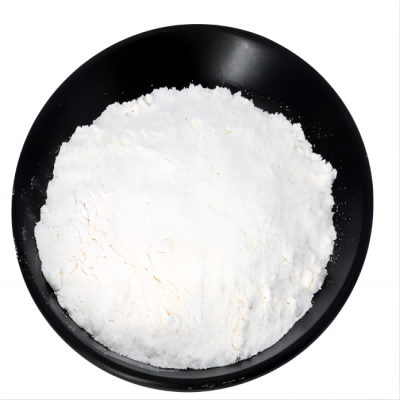
β-Nicotinamide Adenine Dinucleotide Phosphate Tetrasodium Salt, reduced form CAS:2646-71-1
NADPH is the reduced form of the coenzyme NADP+; used in anabolic reactions such as lipid and nucleic acid synthesis, which require NADPH as a reducing agent.NADPH, Tetrasodium Salt is a A ubiquitous coenzyme that acts as an electron donor in many reactions utilizing dehydrogenase and reductase enzymes. It is generated by reduction of the electron acceptor NADP+. The following biological pathways involve NADPH: formation of carbohydrate from CO2 during photosynthesis, maintenance of high levels of reduced glutathione in erythrocytes, reduction of thioredoxin.
-
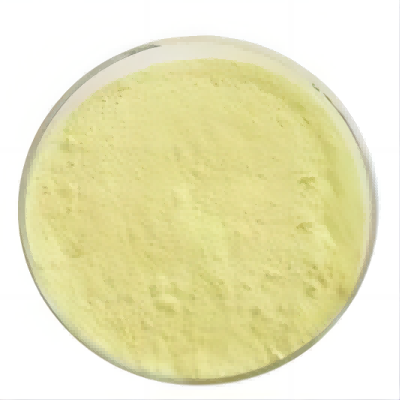
Thio-Nicotinamide Adenine Dinucleotide (Thio-NAD) CAS:4090-29-3
Thionicotinamide adenine dinucleotide is an analog of NAD. Use of Thio-NAD instead of NAD as a substrate for NAD(+)-consuming enzymes is more advantageous since the reduced form of Thio-NAD exhibits a substantial increase in absorbance at 405 nM, the most commonly available wavelength on microplate readers.
-
β-Nicotinamide Adenine Dinucleotide Phosphate Monosodium Salt CAS:1184-16-3
Nicotinamide adenine dinucleotide phosphate, abbreviated NADP+ or, in older notation, TPN (triphosphopyridine nucleotide), is a cofactor used in anabolic reactions, such as the Calvin cycle and lipid and nucleic acid syntheses, which require NADPH as a reducing agent (‘hydrogen source’).It is used by all forms of cellular life.
-
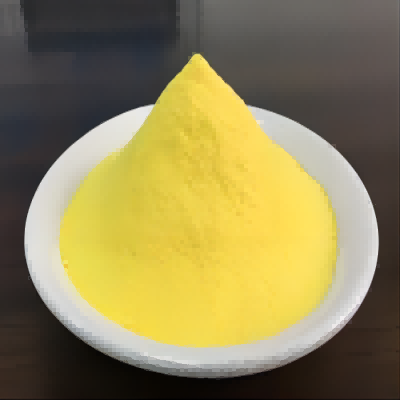
β-Nicotinamide Adenine Dinucleotide Phosphate Disodium Salt CAS:24292-60-2
β-Nicotinamide Adenine Dinucleotide Phosphate Disodium Salt is a coenzyme that is widely distributed in living matter, Participates in oxidation-reduction reactions. It serves as an electron carrier in a number of reactions, being alternately oxidized (NADP+) and reduced (NADPH).β-Nicotinamide Adenine Dinucleotide Phosphate Disodium Salt is a substance in which nicotinic acid amide adenine dinucleotide and a phosphate molecule are bound by ester bond. It is a hydrogen receptor and can be used for the development and development of a variety of in vitro diagnostic reagents.