-
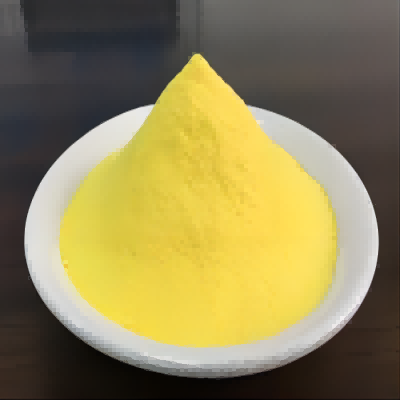
β-Nicotinamide Adenine Dinucleotide Phosphate Disodium Salt CAS:24292-60-2
β-Nicotinamide Adenine Dinucleotide Phosphate Disodium Salt is a coenzyme that is widely distributed in living matter, Participates in oxidation-reduction reactions. It serves as an electron carrier in a number of reactions, being alternately oxidized (NADP+) and reduced (NADPH).β-Nicotinamide Adenine Dinucleotide Phosphate Disodium Salt is a substance in which nicotinic acid amide adenine dinucleotide and a phosphate molecule are bound by ester bond. It is a hydrogen receptor and can be used for the development and development of a variety of in vitro diagnostic reagents.
-
β-Nicotinamide Adenine Dinucleotide Lithium salt (NAD Lithium salt) CAS:64417-72-7
β-Nicotinamide Adenine Dinucleotide Lithium salt is a coenzyme central to metabolism.Found in all living cells, NAD is called a dinucleotide because it consists of two nucleotides joined through their phosphate groups. One nucleotide contains an adenine nucleobase and the other nicotinamide. NAD exists in two forms: an oxidized and reduced form, abbreviated as NAD+ and NADH (H for hydrogen), respectively.
-
Venlafaxine CAS:93413-69-5
Venlafaxine is an antidepressant of the serotonin and norepinephrine reuptake inhibitor (SNRI) class. This drug was first developed by Wyeth in 19Chemicalbook93 and is now marketed by Pfizer. This drug is approved for the treatment of major depressive disorder (MDD), generalized anxiety disorder (GAD), and depression associated with anxiety.
-
Ciclopirox Ethanolamine CAS:41621-49-2 Manufacturer Supplier
Ciclopirox ethanolamine is a broad spectrum antigfungal agent, it also exhibits antibacterial activity against many Gram-positive and Gram-negative bacteria, and has anti-inflammatory properties. It is used a a topical treatment of fungal skin an nail infections.
-

Desvenlafaxine Succinate CAS:386750-22-7
Desvenlafaxine Succinate is a dual serotonin and norepinephrine reuptake inhibitor (SNRI) that was approved for the treatment of major depressive disorder (MDD) in the United States in 2008. In order to improve the efficacy and safety profile of venlafaxine, Wyeth discovered and developed one of the major metabolites of venlafaxine, namely the O-desmethyl metabolite (desvenlafaxine).
-
Doxazosin Mesylate CAS:77883-43-3 Manufacturer Supplier
Doxazosin mesylate is a quinazoline compound that is a selective inhibitor of the alpha1 subtype of alpha adrenergic receptors. Doxazosin mesylate is a new generation of quinazolone α1 receptor blocker developed by the Pfizer company (United States), It has a long half-life, exerting its effects of dilating the blood vessels, reducing the vascular resistance and lowering the blood pressure through blocking the a 1 receptor. It has been recommended abroad as first-line clinical drugs of anti-hypertension and treatment of prostate disease.
-
L-Isoleucine CAS:73-32-5 Manufacturer Supplier
L-Isoleucine, also known as Isoleucine, is an amino acid that is an isomer of leucine. It is important in hemoglobin synthesis and regulation of blood sugar and energy levels.L-Isoleucine is an isomer of L-leucine and is an essential amino acid. It is synthesized from threonine and is a branched-chain hydrophobic amino acid.
-
Captopril CAS:62571-86-2 Manufacturer Supplier
Captopril is the most studied of the angiotensin-converting enzyme inhibitors proposed as an antihypertensive drug. It blocks angiotensin-converting enzyme, which suppresses formation of angiotensin II and relieves its vasoconstricting effect on arterial and venous vessels. Overall vascular peripheral tension is reduced, which results in the lowering of arterial pressure.
-
Candesartan CAS:139481-59-7 Manufacturer Supplier
Candesartan is an angiotensin II receptor I (AT1) antagonist, IC50s=1.12 and 2.86 nM for bovine adrenal cortex and rabbit aorta respectively.Selectively inhibits angiotensin II-induced contraction of rabbit aortic strips with no effect on contraction induced by other agents such as norepinephrine, KCl, serotonin, PGF2αor endothelin.
-
Candesartana Cilexetila CAS:145040-37-5
Candesartan Celexetil is an ester analog of the angiotensin II antagonist Candesartan (sc-217825). Antagonism of this receptor prevents the binding of angiotensin II, a potent vasoconstrictor. This has the overall effect of vasodilation and an increased capillary blood volume. Candesartan Celexetil Ester is an inhibitor of AT1.
-
Bupropion CAS:34911-55-2 Manufacturer Supplier
Bupropion is an aromatic ketone that is propiophenone carrying a tert-butylamino group at position 2 and a chloro substituent at position 3 on the phenyl ring. It has a role as an antidepressant, an environmental contaminant and a xenobiotic. It is a secondary amino compound, a member of monochlorobenzenes and an aromatic ketone.
-
Bezafibrate CAS:41859-67-0 Manufacturer Supplier
Bezafibrate is a monocarboxylic acid amide obtained by the formal condensation of the carboxy group of 4-chlorobenzoic acid with the amino group of 2-[4-(2-aminoethyl)phenoxy]-2-methylpropanoic acid. Benafibrate is used for the treatment of hyperlipidaemia. It has a role as a xenobiotic, an environmental contaminant, a geroprotector and an antilipemic drug. It is a monocarboxylic acid, an aromatic ether, a member of monochlorobenzenes and a monocarboxylic acid amide. It is functionally related to a propionic acid.