-
Pyriproxyfen CAS:95737-68-1 Manufacturer Supplier
Pyriproxyfen is a pyridine compound and, in common with fenoxycarb, is a juvenile hormone mimic whose structure is unrelated to natural juvenile hormone. It is an insect growth regulator. Fleas absorb pyriproxyfen either by direct contact or by ingesting blood from a treated animal.Pyriproxyfen is a pyridine insecticide that mimics juvenile growth hormone, which prevents larvae from developing into reproduction-capable adults.
-
Lufenuron CAS:103055-07-8 Manufacturer Supplier
Lufenuron is an insect development inhibitor of the benzoylphenyl urea class. It demonstrates activity against fleas that have fed on treated cats and dogs and become exposed to lufenuron in the host’s blood. Lufenuron also has activity by virtue of its presence in adult flea feces, leading to its ingestion by flea larvae. Both activities result in the production of eggs that are unable to hatch, causing significant reductions in flea larvae populations. The lipophilicity of lufenuron leads to its deposition in adipose tissues of animals from where it is slowly released into the bloodstream.
-
Indoxacarb CAS:144171-61-9 Manufacturer Supplier
Indoxacarb is the latest high-efficiency insecticide.By blocking the sodium ion channel in insect nerve cells, it can make nerve cells lose their function.It has the effect of killing stomach and poison, and can effectively control crops such as grain, cotton, fruit and vegetables. a variety of pests.It is suitable for controlling beet armyworm, diamondback moth, etc. on crops such as cabbage, broccoli, kale, tomato, pepper, cucumber,courgette, eggplant, lettuce, apple, pear, peach, apricot, cotton, potato, grape, etc.
-

Imidacloprid CAS:138261-41-3 Manufacturer Supplier
Imidacloprid is a systemic insecticide that acts as an insect neurotoxin and belongs to a class of chemicals called the neonicotinoidswhich act on the central nervous system of insects. Imidacloprid is a systemic, chloro-nicotinyl insecticide with soil, seed and foliar uses for the control of sucking insects including rice hoppers, aphids, thrips, whiteflies, termites, turf insects, soil insects and some beetles. It is most commonly used on rice, cereal, maize, potatoes, vegetables, sugar beets, fruit, cotton, hops and turf, and is especially systemic when used as a seed or soil treatment.
-
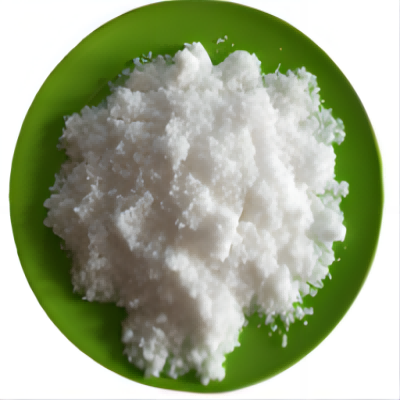
Hexythiazox CAS:78587-05-0 Manufacturer Supplier
Hexythiazox is a new thiazolidinone acaricide. It has a wide insecticidal spectrum, high acaricidal activity to Tetranychus tetranychus and Tetranychus paniculatum, and has good residual effect when used at low concentration. It has no cross-resistance to organophosphorus and dichlorophenol, etc. It is safe to crops and beneficial insects that prey on mites, but it has no endotoxicity and has poor effect on adults. It has a wide insecticidal spectrum, and has high acaricidal activity against the mocking mite and the whole acaricidal mite.
-
Fenbutatin-oxide CAS:13356-08-6 Manufacturer Supplier
Fenbutatin oxide is quite stable to hydrolytic degradation. Metabolism in soils, plants and animals is minimal. The extensive and irreversible adsorption/binding to cationic and organic matter is the primary dissipation mechanism in the soil environment.
-
ETOXAZOLE CAS:153233-91-1 Manufacturer Supplier
Etoxazole is an organofluorine acaricide. It induces toxicity in two-spotted spider mite (T. urticae) larvae (LC50 = 0.036 mg/L for the London reference strain) through inhibition of chitin synthase 1. It reduces acetylcholinesterase (AChE) activity in the freshwater fish O. niloticus in a concentration-dependent manner. Etoxazole (2.2-22 mg/kg per day) inhibits the activity of catalase, glutathione peroxidase (GPX), and AChE in the liver and kidneys of rats in a dose-dependent manner. Formulations containing etoxazole have been used for the control of mites in agriculture.
-
Diflubenzuron CAS:35367-38-5 Manufacturer Supplier
Diflubenzuron is an insecticide of the benzoylurea class.It is used in forest management and on field crops to selectively control insect pests, particularly forest tent caterpillar moths, boll weevils, gypsy moths, and other types of moths.It is a widely used larvicide in India for control of mosquito larvae by public health authorities. Diflubenzuron is approved by the WHO Pesticide Evaluation Scheme.
-
Cyromazine CAS:66215-27-8 Manufacturer Supplier
Cyromazine is a triazine insect growth regulator that can be used as an insecticide and an acarcide. It is a kind of cyclopropylderivative of melamine, and also belongs to the family of aminotriazines which are compound consisting of an amino group attached to a triazine ring. It has specific activity against dipterous larvae, and has been approved by FDA for being applied to livestock. It is not a kind of cholinesterase inhibitor, and taking effect through affecting the nervous system of the immature larval stage of the insects.
-
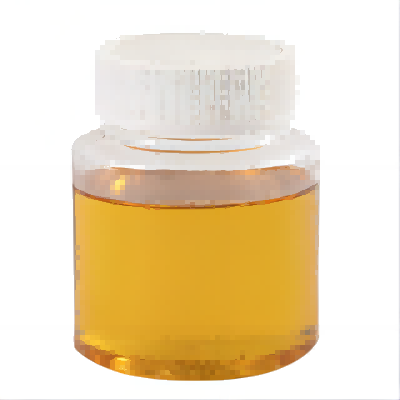
Diazinon CAS:333-41-5 Manufacturer Supplier
Diazinon is available in the form of a colourless or dark brown liquid. It is sparingly soluble in water but very soluble in petroleum ether, alcohol, and benzene. Diazinon is used for the control of a variety of agriculture and household pests. These include pests in soil, on ornamental plants, fruit, vegetable, and crops and household pests like flies, fleas, and cockroaches.
-
Chlorfenapyr CAS:122453-73-0 Manufacturer Supplier
Chlorfenapyr is a broad spectrum pesticide which is not approved for use in the EU, and only approved for limited applications in the US (applications for ornamental plants in greenhouses). It was originally rejected for FDA approval due to avian and aquatic toxicity. Data on human toxicity is still scarce, but it has moderate mammalian toxicity when taken orally, causing vacuolation of the nervous system in mice and rats. It is not persistent in ecosystems, and has low aqueous solubility.Chlorfenapyr can also be used as an insect-proofing agent in wool, and has been investigated for applications in malaria control.
-
Diafenthiuron CAS:80060-09-9 Manufacturer Supplier
Diafenthiuron is an aromatic ether that is 1,3-diisopropyl-5-phenoxybenzene in which the hydrogen atom at position 2 is substituted by a (tert-butylcarbamothioyl)nitrilo group. An agricultural proinsecticide which is used to control mites, aphids and whitefly in cotton. It has a role as an oxidative phosphorylation inhibitor and a proinsecticide.