-
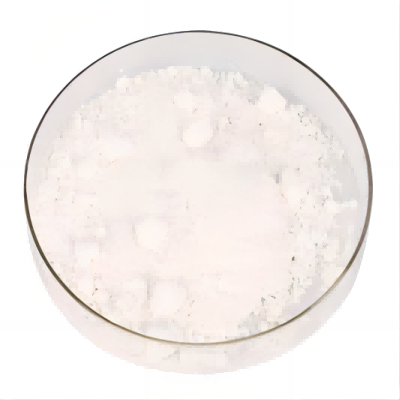
Ethephon CAS:16672-87-0 Manufacturer Supplier
Ethephon is an organophosphonate plant growth regulator used to promote fruit ripening, abscission, flower induction, and other responses. It is registered for use on a number of food, animal feed and nonfood crops (rubber plants, flax), greenhouse nursery stock, and outdoor residential ornamental plants, but is used primarily on cotton. Ethephon is applied to plant foliage by either ground or aerial equipment. It also may be applied by hand sprayer to certain home garden vegetables and ornamentals.
-
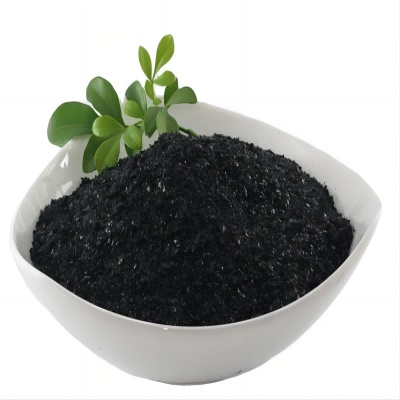
Humic Acid Flake CAS:1415-93-6 Manufacturer Supplier
Humic Acid Flake is used as a soil supplement in agriculture and human nutritional supplement. It is used to improve the growth and cultivation of crops, citrus, turf, flowers. It is also used to improve the strength of organically-deficient soils. It is utilized to stimulate the immune system and treating the influenza, avian flu, swine flu and other viral infections.
-
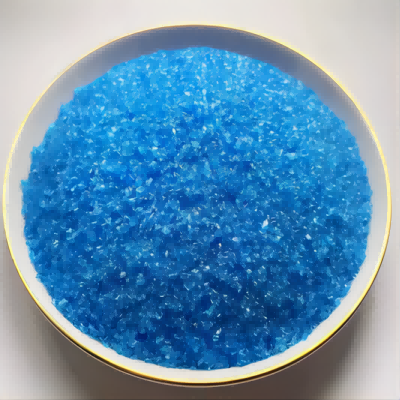
Copper Sulfate CAS:7758-98-7 Manufacturer Supplier
Copper sulfate is also known as blue vitriol, this substance was made by the action of sulfuric acid on elemental copper. The bright-blue crystals are soluble in water and alcohol. Mixed with ammonia, copper sulfate was used in liquid filters. The most common application for copper sulfate was combining it with potassium bromide for making copper bromide bleach for intensification and toning. Some photographers used copper sulfate as a restrainer in ferrous sulfate developers that were used in the collodion process.
-
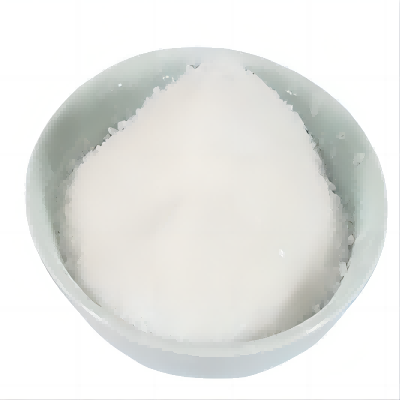
Chlormequat chloride CAS:999-81-5 Manufacturer Supplier
Chlormequat chloride is a plant growth regulator that is primarily used on ornamental plants.Chlormequat chloride is a low poisonous plant growth regulator(PGR), plant growth retardant.It can be absorbed through leaves, branches, buds, the root system and seeds, control the plant excessive growth and cut down the knot of plant to be short, strong, coarse, root system to prosper and resist lodging. Leaves will be greener and thicker.
-
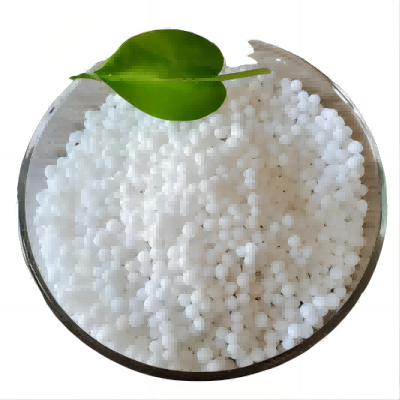
Urea Granular CAS:57-13-6 Manufacturer Supplier
Urea Granular is an organic compound composed of carbon, nitrogen, oxygen, and hydrogen, a white crystal. As a neutral fertilizer, urea is suitable for various soils and plants. It is easy to store, easy to use, and has little damage to the soil. It is a chemical nitrogen fertilizer that is used in a large amount and is also the nitrogen fertilizer with the highest.
-
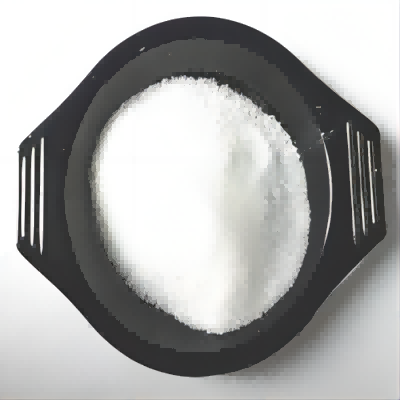
Bos MH CAS:123-33-1 Manufacturer Supplier
Maleic hydrazide is slightly acidic. It is made by treating maleic anhydride with hydrazine hydrate in alcohol.3,6-Dihydroxypyridazine can be decomposed by oxidizing agents. Maleic hydrazide can also be decomposed by strong acids. Maleic hydrazide forms water-soluble alkali-metal and amine salts. Maleic hydrazide is slightly acidic and may be titrated as a monobasic acid. Maleic hydrazide is slightly corrosive to iron and zinc. Maleic hydrazide is incompatible with pesticides that are highly alkaline in reaction.
-
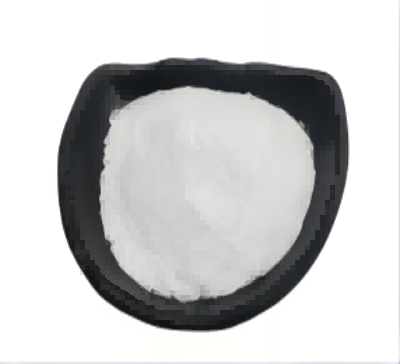
Zinc Sulfate CAS:7446-19-7 Manufacturer Supplier
Zinc sulfate, also known as alum or zinc alum, is a colorless or white rhombic crystal or powder at room temperature. It has astringency and is easily soluble in water. The aqueous solution is acidic and slightly soluble in ethanol and glycerol.
-
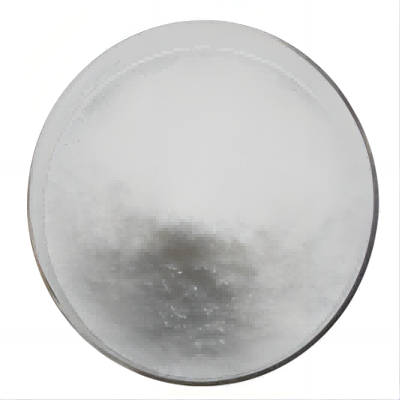
6-Benzylaminopurine(6-Ba) CAS:1214-39-7
6-Benzylaminopurine is a plant growth regulator that belongs to the class of first generation synthetic cytokinin used in agriculture commodities.6-benzylaminopurine (6-BA) is widely used in agriculture and horticulture as plant growth regulator. Its excessive use may pose a potential risk to both environment and human health, which is causing great concern.
-
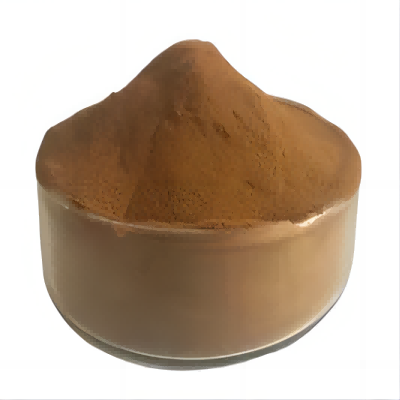
Fulvic Acid 60% CAS:479-66-3 Manufacturer Supplier
Fulvic Acid 60% refers to collectively of a set of organic acids, natural compounds, and components of the humus [which is a fraction of soil organic matter].[1] They share similar structure with humic acids, with differences being the carbon and oxygen contents, acidity, and degree of polymerization, molecular weight, and color. Fulvic acid remains in solution after removal of humic acid from humin by acidification. Humic and fulvic acids are mainly produced by biodegradation of lignin containing plant organic matter.
-
Ammonium Molybdate CAS:13106-76-8 Manufacturer Supplier
Ammonium molybdate is an ammonium salt composed of ammonium and molybdate ions in a 2:1 ratio. It has a role as a poison. It contains a molybdate.It is used in chemical analysis for the determination of phosphorus. From a nitric acid solution it precipitates phosphorus in the form of ammonium phosphomolybdate having the formula (NH4)3PO4-12MoO3 after drying at 110 °C(230°F). Some of the phosphomolybdic acids are used as reagents for the alkaloids and in the analysis and separation of the alkali metals.
-
Brassinolide CAS:72962-43-7 Manufacturer Supplier
Brassinolide is a 2alpha-hydroxy steroid, a 3alpha-hydroxy steroid, a 22-hydroxy steroid, a 23-hydroxy steroid and a brassinosteroid. It has a role as a plant growth stimulator and a plant hormone.Brassinolide is a plant growth hormone and the most biologically active brassinosteroid (BR).It has also been used for studying plant biosynthetic pathways. Brassinolide might also regulate water-transport properties of cell membranes in Arabidopsis thaliana.
-
Tricalcium Phospahte CAS:7758-87-4 Manufacturer Supplier
Tricalcium Phospahte is the calcium salt of phosphoric acid with widely used applications. It occur abundantly in nature in several forms and are the principal minerals for the production of phosphate fertilizers and for a range of phosphorus compounds. For example, the tribasic variety (precipitated calcium phosphate), Ca3(PO4)2, is the principal inorganic constituent of bone ash. The acid salt Ca(H2PO4)2, produced by treating mineral phosphates with sulfuric acid, is employed as a plant food and stabilizer for plastics. It is a natural constituent of mammals, and it is a component of bone replacement transplants in much higher amounts with no toxicological problems.