-
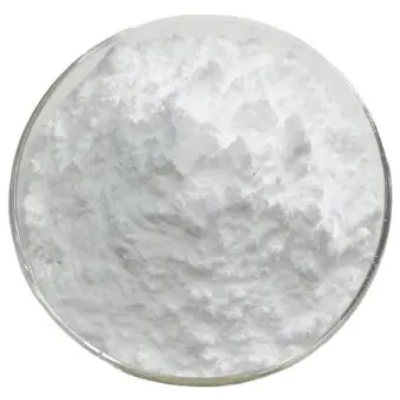
Rhodium acetate CAS:15956-28-2
Rhodium acetate, with the chemical formula Rh(CH₃COO)₃, is a coordination complex of rhodium(III) with acetate ligands. It is a purple crystalline solid, commonly used in catalysis and organic synthesis due to its unique properties.
-
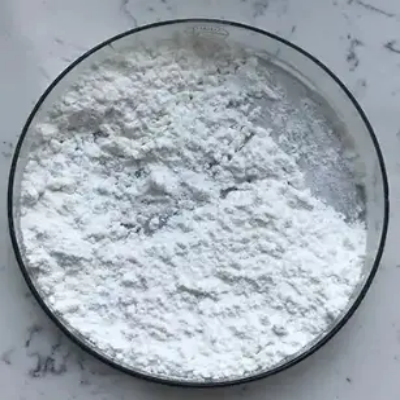
Potassium hexachloroplatinate(Ⅳ) CAS:16921-30-5
Potassium hexachloroplatinate(IV), with the chemical formula K₂PtCl₆, is an inorganic compound composed of potassium cations and hexachloroplatinate(IV) anions. It is a yellow crystalline solid, commonly utilized in chemical synthesis and analytical chemistry.
-
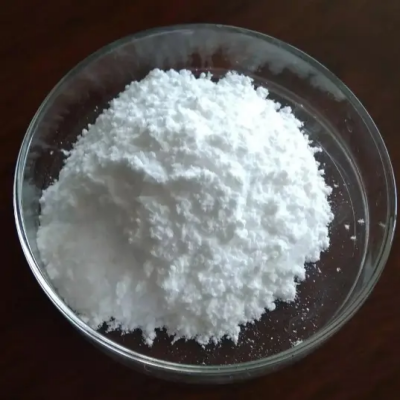
Dipotassium tetrachloroplatinate CAS:10025-99-7
Dipotassium tetrachloroplatinate, with the chemical formula K₂PtCl₄, is an inorganic compound consisting of potassium cations and tetrachloroplatinate anions. It is a yellow crystalline solid, commonly used in chemical synthesis and analytical chemistry.
-
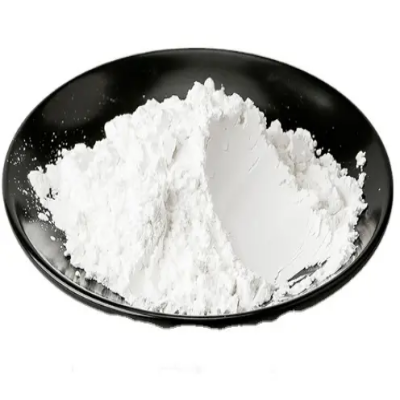
Dichloro(1 ,5-cyclooctadiene)platinum (II)Dichloro(1 ,5-cyclooctadiene)platinum (II) CAS:12080-32-9
Dichloro(1,5-cyclooctadiene)platinum (II), with the chemical formula [PtCl₂(COD)], is a coordination complex of platinum(II) with cyclooctadiene ligands. It is a yellow crystalline solid, commonly used as a catalyst in various organic transformations and homogeneous catalysis.
-
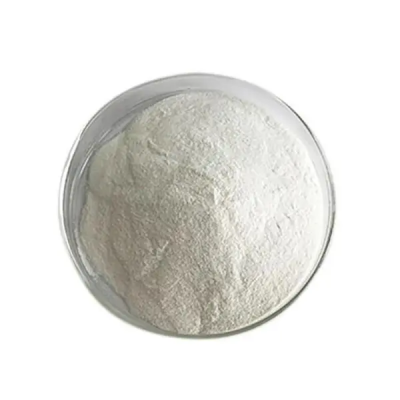
Chlorotris(triphenylphosphine)rhodium CAS:14694-95-2
Chlorotris(triphenylphosphine)rhodium, with the chemical formula [RhCl(PPh₃)₃], is a coordination complex of rhodium(I) with three triphenylphosphine (PPh₃) ligands and one chloride ion. It is a yellow crystalline solid and is widely utilized as a catalyst in organic synthesis and homogeneous catalysis.
-
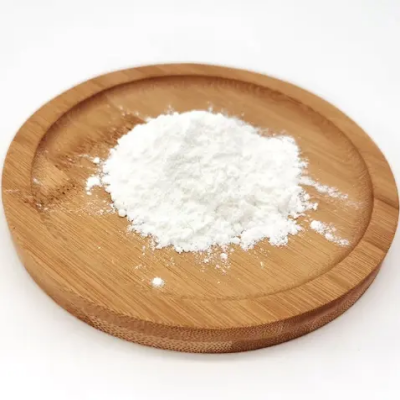
Rhodium CAS:7440-16-6
Rhodium is a rare transition metal with the atomic number 45 and symbol Rh. It belongs to the platinum group metals (PGMs) and is known for its silvery-white appearance, high melting point, and exceptional corrosion resistance. Rhodium is primarily used in catalysis, electronics, and jewelry due to its unique properties.
-
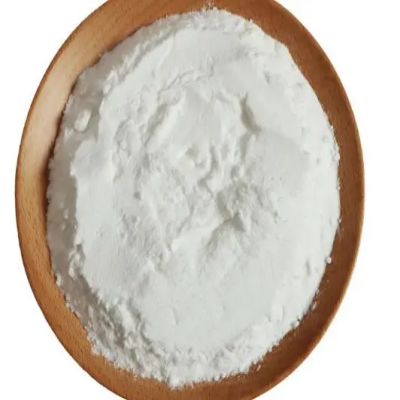
Acetylacetonatodicarbonyl rhodium CAS:14874-82-9
Acetylacetonatodicarbonyl rhodium, with the chemical formula [Rh(acac)(CO)₂], is a coordination complex of rhodium(I) with acetylacetonate and carbonyl ligands. It is a yellow crystalline solid, commonly used as a catalyst in various organic transformations and homogeneous catalysis.
-
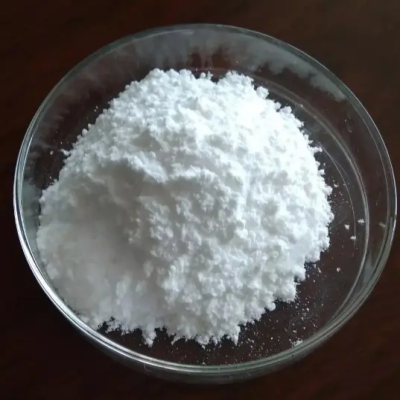
Rhodiumoctanoatedimer CAS:73482-96-9
Rhodium octanoate dimer, with the chemical formula Rh₂(O₂C(CH₂)₇CH₃)₄, is a coordination complex of rhodium(II) with octanoate ligands. It is a yellow-orange solid, commonly used as a catalyst in various organic transformations and polymerization reactions.
-
1 ’1-Bis(diphenylphosphino)ferrocene palladium(Ⅱ)chloride CAS:72287-26-4
1,1-Bis(diphenylphosphino)ferrocene palladium(II) chloride, with the chemical formula [Pd(dppf)Cl₂], is an organometallic complex of palladium(II) coordinated with the dppf ligand and chloride ions. It is a yellow crystalline solid, commonly utilized in organic synthesis and catalysis.
-
benzyl N-({hexahydro-1H-pyrrolizin-7a-yl}methyl)carbamate hydrochloride CAS:78449-72-6
Benzyl N-({hexahydro-1H-pyrrolizin-7a-yl}methyl)carbamate hydrochloride is a chemical compound with a benzyl carbamate group attached to the nitrogen atom of a hexahydro-1H-pyrrolizin-7a-yl moiety, and it is in the form of a hydrochloride salt. This compound has garnered interest in medicinal chemistry due to its potential pharmacological activities, particularly in the field of central nervous system disorders. Its unique structural features offer avenues for designing novel drug candidates with enhanced therapeutic profiles, targeting receptors and pathways involved in neurological conditions.
-
tert-Butyl ((3R,5R)-5-methylpyrrolidin-3-yl)carbamate CAS:1932651-04-1
tert-Butyl ((3R,5R)-5-methylpyrrolidin-3-yl)carbamate is a chemical compound characterized by the presence of a pyrrolidine ring substituted with a tert-butyl carbamate group at the 3-position and a methyl group at the 5-position. This compound has drawn attention in medicinal chemistry due to its structural novelty and potential pharmacological applications. Its unique configuration offers opportunities for designing novel drug candidates with specific biological targets, making it a valuable asset in drug discovery and development endeavors.
-
trans-4-Amino-1-(tert-butoxycarbonyl)pyrrolidine-3-carboxylic acid CAS:369623-85-8
Trans-4-Amino-1-(tert-butoxycarbonyl)pyrrolidine-3-carboxylic acid is a compound featuring a pyrrolidine ring substituted with an amino group at the 4 position and a tert-butoxycarbonyl group at the 1 position. This molecule holds significance in medicinal chemistry, particularly in the development of pharmaceuticals. Its structural complexity presents opportunities for designing novel therapeutic agents with specific pharmacological properties, potentially targeting pathways implicated in inflammatory diseases, cancer, or central nervous system disorders.