-
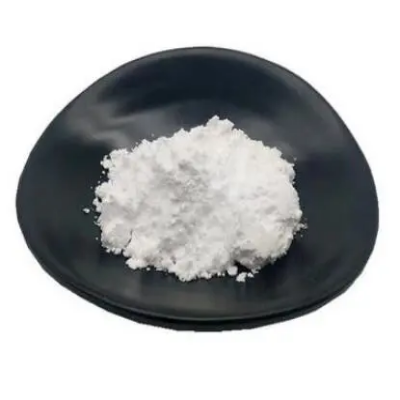
Ruthenium CAS:7440-18-8
Ruthenium is a transition metal element with the atomic number 44 and symbol Ru. It belongs to the platinum group of metals. Ruthenium is silvery-white in appearance and is known for its exceptional hardness and resistance to corrosion.
-
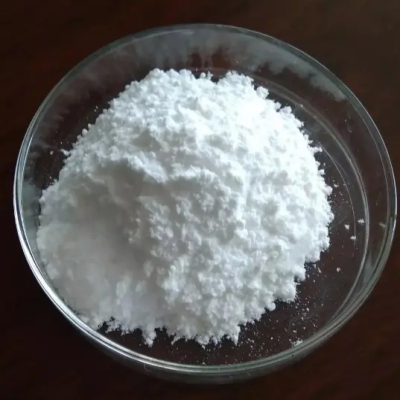
Ruthenium acetylacetonate CAS:14284-93-6
Ruthenium acetylacetonate is a coordination complex containing ruthenium in combination with acetylacetonate ligands. It is commonly utilized in various chemical synthesis processes.
-
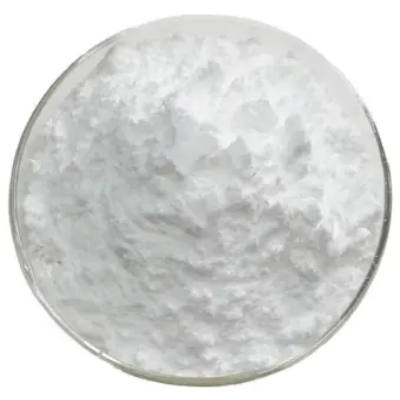
SODIUM TETRACHLOROPLATINATE(II) HYDRATE CAS:207683-21-4
Sodium tetrachloroplatinate(II) hydrate is a chemical compound composed of sodium, platinum, chlorine, and water molecules. It exists as a hydrate in different forms. This compound is notable for its role in various chemical processes due to its unique properties.
-
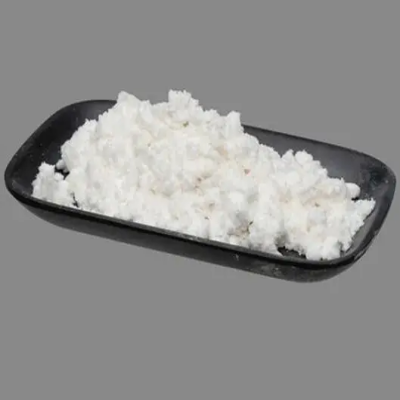
Platinum CAS:7440-06-4
Platinum is a precious metal element with the atomic number 78 and symbol Pt. It is highly valued for its lustrous appearance, resistance to corrosion, and catalytic properties.
-
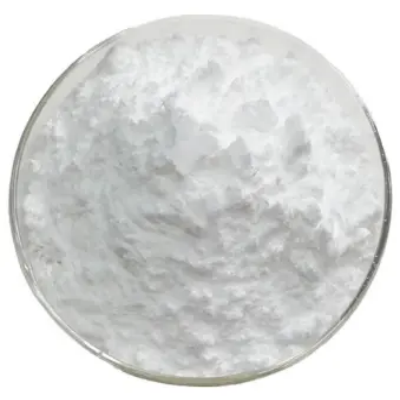
D-(-)-O-Acetyl Mandelic acid CAS:51019-43-3
D-(-)-O-Acetyl Mandelic Acid is a chemical compound with the molecular formula C10H10O4. It typically appears as white crystalline needles or powder and is soluble in organic solvents. This compound is widely recognized for its chirality and is often utilized in asymmetric synthesis and chiral resolution processes.
-
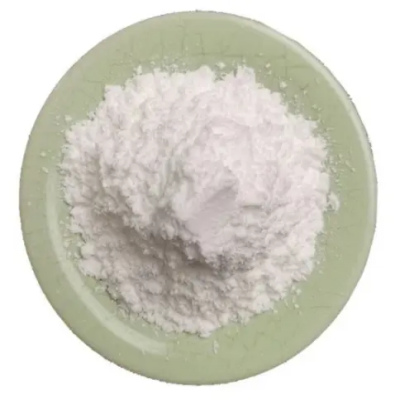
Cisplatin CAS:15663-27-1
Cisplatin is a commonly used chemotherapy agent used to treat a variety of malignancies, including ovarian, bladder and non-small cell lung cancers. It inhibits tumor development by binding to DNA and preventing cancer cells from growing and dividing. The main side effects of Cisplatin include nausea, vomiting, anemia, and impaired kidney function, so it is necessary to carefully monitor patients’ physiological markers when using cisplatin.
-
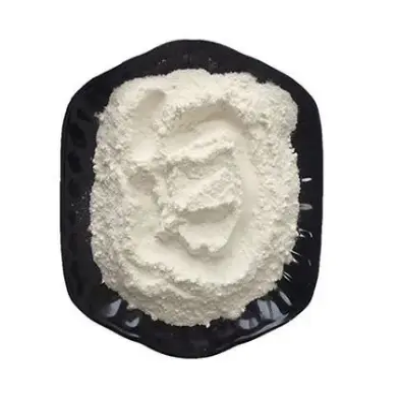
Bis(dibenzylideneacetone)palladium CAS:32005-36-0
Bis(dibenzylideneacetone)palladium, also known as Pd(dba)2, is an organometallic compound featuring palladium in the +2 oxidation state. It is widely utilized as a catalyst in various organic synthesis reactions.
-
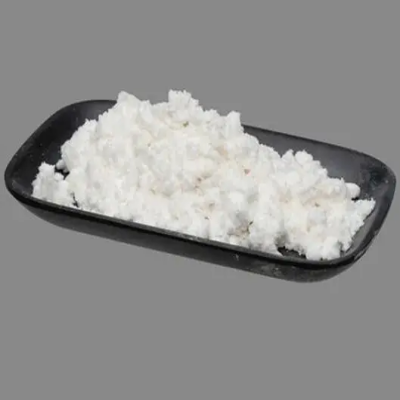
Bis(2,4-pentanedionato-O,O’)palladium(II) CAS:14024-61-4
Bis(2,4-pentanedionato-O,O’)palladium(II) is a coordination complex containing palladium in the +2 oxidation state. It is commonly referred to as palladium(II) acetylacetonate and is utilized in various chemical synthesis processes.
-
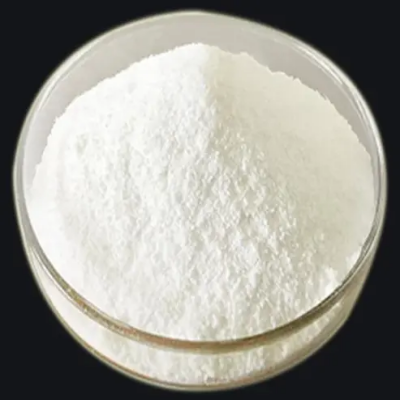
Platinum(II)-ammonium chloride CAS:13820-41-2
Platinum(II)-ammonium chloride is a compound comprising platinum ions coordinated with ammonium chloride. It is commonly utilized in chemical synthesis and research.
-
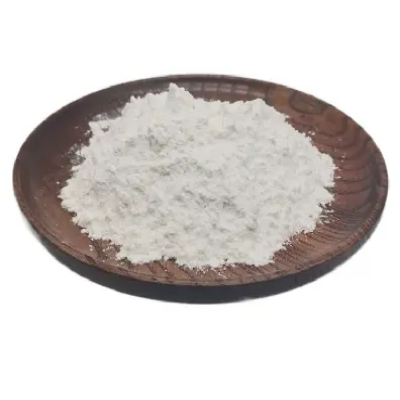
dipotassium tetrachloroplatinat CAS:10025-99-7
Dipotassium tetrachloroplatinate is a compound composed of potassium ions and tetrachloroplatinate anions. It is commonly encountered in chemical synthesis and research laboratories.
-
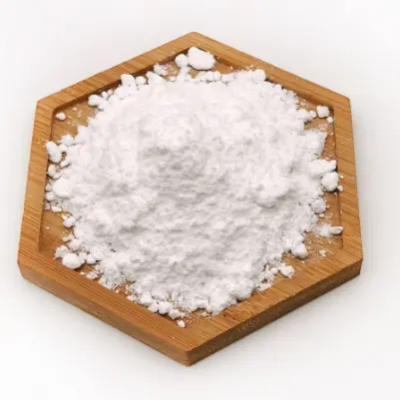
Diamminedichloropalladium CAS:13782-33-7
Diamminedichloropalladium is a coordination complex of palladium with ammonia and chloride ligands. It is commonly used as a catalyst in organic synthesis due to its ability to facilitate various reactions, including coupling reactions such as the Heck reaction and Suzuki coupling. Its structure consists of a central palladium atom surrounded by two ammonia molecules and two chloride ions.
-
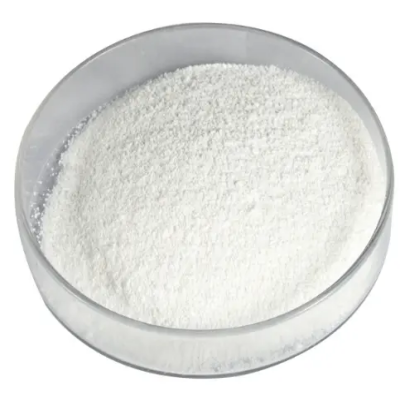
P-chloro mandelic acid CAS:492-86-4
P-Chloro Mandelic Acid, also known as para-chloromandelic acid, is a chemical compound with the molecular formula C8H7ClO3. It typically appears as white crystalline needles or powder and exhibits solubility in various organic solvents. This compound is notable for its chlorinated structure and is utilized in diverse chemical processes.