-
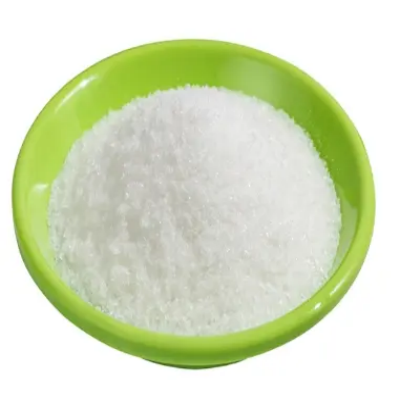
Dichloro(1,5-cyclooctadiene)palladium(II) CAS:12107-56-1
Dichloro(1,5-cyclooctadiene)palladium(II) is a coordination complex containing palladium in the +2 oxidation state, coordinated with two chloride ions and a 1,5-cyclooctadiene ligand.
-
Palladium CAS:7440-05-3
Palladium is a rare and lustrous silvery-white metal belonging to the platinum group of metals. It is known for its exceptional catalytic properties, high melting point, and resistance to corrosion. Palladium is widely used in various industrial applications, including catalytic converters in vehicles, electronics manufacturing, jewelry production, and chemical processing. Its unique properties make it a valuable material in the automotive industry for reducing harmful emissions from vehicles. Additionally, palladium is used in the production of dental alloys, watchmaking, and as a catalyst in the synthesis of pharmaceuticals and fine chemicals. Its versatility and reliability have made palladium a crucial element in modern technology and manufacturing processes.
-
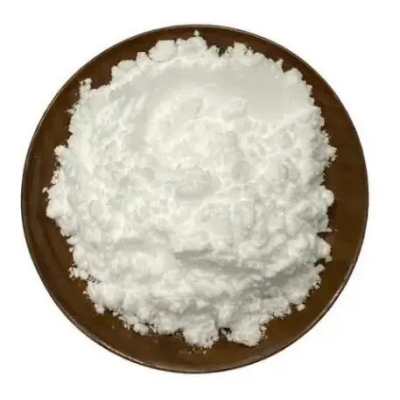
3-Hydroxy-2-Methyl Benzoic Acid CAS:603-80-5
3-Hydroxy-2-Methyl Benzoic Acid, also known as salicylic acid, is a chemical compound with the molecular formula C8H8O3. It exists as white crystalline needles or powder and is slightly soluble in water. This compound is widely recognized for its medicinal properties and various industrial applications.
-
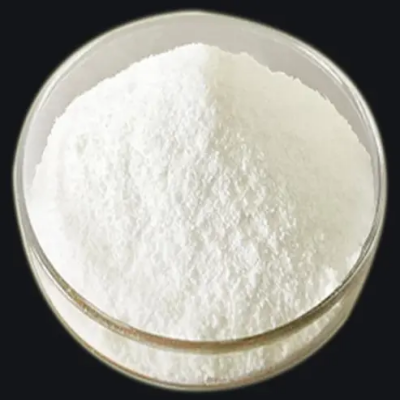
1,1 bis(di-isopropylphosphine)ferrocene palladium dichloride CAS:215788-65-1
1,1-Bis(di-isopropylphosphine)ferrocene palladium dichloride is a coordination complex widely used in organometallic chemistry as a catalyst. Its structure consists of a central palladium atom coordinated to two chloride ions and two 1,1-bis(di-isopropylphosphino)ferrocene ligands. This complex is valued for its ability to catalyze various organic transformations efficiently.
-
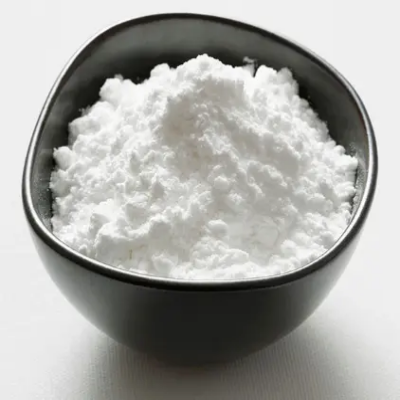
(R)-(-)-Mandelic acid CAS:611-71-2
(R) -(-)-Mandelic Acid, also known simply as mandelic acid, is a chemical compound with the molecular formula C8H8O3. It typically presents as colorless crystals or white powder and is soluble in water and organic solvents. This compound is notable for its chiral nature, existing as two enantiomers, (S)-(+)-mandelic acid and (R)-(-)-mandelic acid. It is commonly found in nature and is synthesized for various industrial and pharmaceutical applications.
-
Rhodium CAS:7440-16-6
Rhodium is a precious metal element with the atomic number 45 and symbol Rh. It belongs to the platinum group and shares similar properties with platinum and palladium. Rhodium is highly reflective and resistant to corrosion, making it valuable in various applications.
-
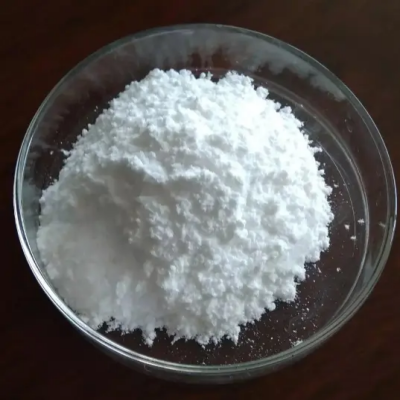
R-(-)-4-Chloromandelic acid CAS:32189-36-9
R-(-)-4-Chloromandelic Acid, also referred to as para-chloromandelic acid, is a chemical compound with the molecular formula C8H7ClO3. It typically presents as white crystalline needles or powder and exhibits solubility in various organic solvents. This compound is notable for its chlorinated structure and finds application in diverse chemical processes.
-

Palladium(II) sulfate CAS:13566-03-5
Palladium(II) sulfate is a chemical compound containing palladium in the +2 oxidation state bonded to sulfate ions. It is utilized in various chemical processes and applications.
-
3-Methoxy-2-methylbenzoic acid CAS:55289-06-0
3-Methoxy-2-methylbenzoic acid, also known as guaiacol-2-carboxylic acid, is a chemical compound with the molecular formula C9H10O3. It is a white crystalline solid that is sparingly soluble in water. This compound is often used in various industries for its unique properties.
-
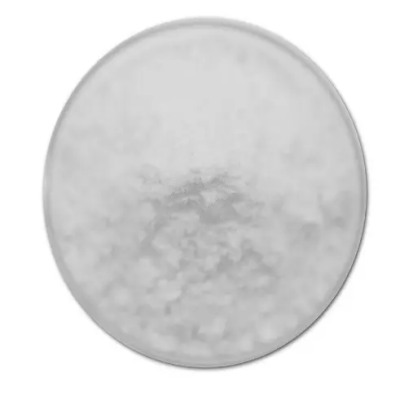
3-Chloromandelic acid CAS:16273-37-3
3-Chloromandelic Acid, also known as α-chloromandelic acid, is a chemical compound with the molecular formula C8H7ClO3. It typically appears as white crystalline needles or powder and is soluble in organic solvents. This compound is notable for its chlorinated structure and is utilized in various chemical processes.
-

Ammonium chloroplatinate CAS:16919-58-7
Ammonium chloroplatinate is a compound composed of ammonium ions and chloroplatinate anions. It is commonly encountered in chemical synthesis and research laboratories.
-
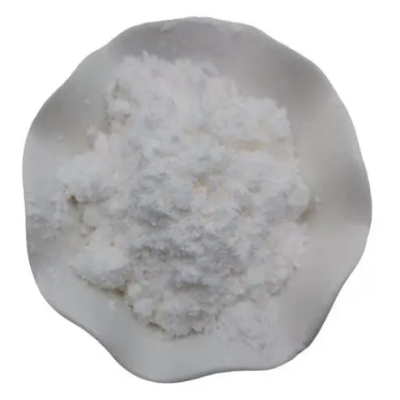
(S)-(+)-Mandelic acid CAS:17199-29-0
(S) -(+)-Mandelic Acid, also known simply as mandelic acid, is a chemical compound with the molecular formula C8H8O3. It typically presents as colorless crystals or white powder and is soluble in water and organic solvents. This compound is notable for its chiral nature, existing as two enantiomers, (S)-(+)-mandelic acid and (R)-(-)-mandelic acid. It is commonly found in nature and is synthesized for various industrial and pharmaceutical applications.

