-
5-Methyl-1-(piperidin-4-yl)-1H-pyrazole-4-carboxylic acid CAS:1780811-54-2
5-Methyl-1-(piperidin-4-yl)-1H-pyrazole-4-carboxylic acid is a chemical compound characterized by its pyrazole ring substituted with a piperidinyl group and a carboxylic acid functional group at positions 1 and 4, respectively. Commonly known as MPyPC, this compound exhibits distinctive structural features that make it valuable in organic synthesis and medicinal chemistry. With its substituted heterocyclic ring and functional groups, MPyPC serves as a versatile intermediate in the preparation of various pharmaceuticals, agrochemicals, and specialty chemicals, contributing to the synthesis of complex molecular architectures.
-
4-Hydroxymethyl-2-pyrrolidinone CAS:64320-89-4
4-Hydroxymethyl-2-pyrrolidinone, commonly known as HMP, is a chemical compound recognized for its pyrrolidinone ring with a hydroxymethyl group at position 4. HMP serves as a versatile building block in organic synthesis and industrial applications due to its unique structural features and reactivity. This compound finds applications in the synthesis of pharmaceuticals, polymers, agrochemicals, and specialty chemicals, contributing to the development of diverse molecular structures and materials.
-
2-hydroxycyclopentane-1-carbonitrile CAS:57836-12-1
2-Hydroxycyclopentane-1-carbonitrile is a chemical compound commonly referred to as HCPN. It is characterized by its cyclopentane ring with a hydroxyl group and a cyano group attached to adjacent carbon atoms. HCPN serves as a versatile building block in organic synthesis and medicinal chemistry due to its unique structural features and reactivity. This compound finds applications in the preparation of various pharmaceuticals, agrochemicals, and specialty chemicals, contributing to the synthesis of complex molecular structures.
-
2-(2,4-dichlorophenyl)cyclopropane-1-carboxylic acid CAS:1157554-61-4 2227810-83-3
2-(2,4-Dichlorophenyl)cyclopropane-1-carboxylic acid, often abbreviated as DCPCCA, is a chemical compound notable for its cyclopropane ring substituted with a dichlorophenyl group and a carboxylic acid functional group. DCPCCA serves as a crucial intermediate in organic synthesis and medicinal chemistry due to its unique structural features and reactivity. This compound finds applications in the synthesis of pharmaceuticals, agrochemicals, and specialty chemicals, contributing to the development of diverse molecular architectures.
-
1-(Benzyloxy)-5-oxopyrrolidine-3-carboxylic acid CAS:99940-64-4
(Benzyloxy)-5-oxopyrrolidine-3-carboxylic acid, also known as BOPC, is a chemical compound primarily used in organic synthesis and medicinal chemistry. It is characterized by its pyrrolidine ring with a benzyl ether and a carboxylic acid functional group. BOPC finds applications as a key intermediate in the synthesis of various pharmaceuticals, agrochemicals, and other organic compounds. With its versatile reactivity and structural features, BOPC serves as a valuable building block in the creation of diverse molecular architectures.
-
![thiazolo[5,4-d]pyrimidine-5,7(4H,6H)-dione CAS: 5082-82-6](https://cdn.globalso.com/xindaobiotech/NIQ7288PPWVEXNL@IMY199.png)
thiazolo[5,4-d]pyrimidine-5,7(4H,6H)-dione CAS: 5082-82-6
Thiazolo[5,4-d]pyrimidine-5,7(4H,6H)-dione, often abbreviated as TPPD, is a chemical compound known for its fused thiazole-pyrimidine ring system with two oxygen atoms at positions 5 and 7. TPPD serves as a versatile intermediate in organic synthesis and medicinal chemistry, owing to its unique molecular structure and reactivity. This compound finds applications in the synthesis of pharmaceuticals, agrochemicals, and materials chemistry, contributing to the development of diverse chemical entities with potential industrial and research significance.
-
2-(2,4-Dichlorophenyl)cyclopropan-1-amine hydrochloride CAS:1305712-16-6
2-(2,4-Dichlorophenyl)cyclopropan-1-amine hydrochloride is a chemical compound characterized by its cyclopropane backbone substituted with a 2,4-dichlorophenyl group and an amine functionality. Commonly known as DCPCA hydrochloride, this compound possesses unique structural features that make it valuable in various chemical applications. With its functional groups and distinctive molecular arrangement, DCPCA hydrochloride serves as a versatile building block in organic synthesis, contributing to the development of diverse chemical structures.
-
2-(Aminomethyl)cyclopentanol CAS:874528-11-7
2-(Aminomethyl)cyclopentanol is a chemical compound characterized by its cyclopentanol ring substituted with an aminomethyl group at position 2. Often abbreviated as AMCP, this compound possesses unique structural features that make it valuable in organic synthesis and medicinal chemistry. With its cyclic structure and amine functional group, AMCP serves as a versatile intermediate in the preparation of various pharmaceuticals, agrochemicals, and specialty chemicals, contributing to the synthesis of diverse molecular architectures.
-
![(3-Methylimidazo[1,2-a]pyridin-2-yl)methanol CAS: 668275-46-5](https://cdn.globalso.com/xindaobiotech/VMLV8UWXAZ0XBLS6M148.png)
(3-Methylimidazo[1,2-a]pyridin-2-yl)methanol CAS: 668275-46-5
(3-Methylimidazo[1,2-a]pyridin-2-yl)methanol is a chemical compound distinguished by its imidazo-pyridine ring system substituted with a methyl group at position 3 and a hydroxymethyl moiety at position 2. Commonly referred to as MIPM, this compound exhibits unique structural characteristics that make it valuable in organic synthesis and medicinal chemistry. With its fused heterocyclic ring and functional groups, MIPM serves as a versatile intermediate in the preparation of various pharmaceuticals, agrochemicals, and specialty chemicals, contributing to the synthesis of complex molecular architectures.
-
(3R,4S)-1-tert-butyl 3-ethyl 4-hydroxypyrrolidine-1,3-dicarboxylate CAS:849935-85-9
(3R,4S)-1-tert-butyl 3-ethyl 4-hydroxypyrrolidine-1,3-dicarboxylate is a chemical compound characterized by its pyrrolidine ring substituted with tert-butyl, ethyl, and hydroxy moieties at positions 1, 3, and 4, respectively. Often abbreviated as TBD, this compound possesses distinct structural features that render it valuable in organic synthesis and medicinal chemistry. With its chiral centers and functional groups, TBD serves as a versatile intermediate in the preparation of various pharmaceuticals, agrochemicals, and specialty chemicals, contributing to the synthesis of diverse molecular architectures.
-
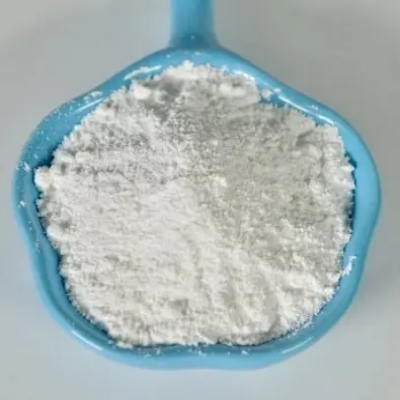
(3R,4R)-1-Benzyl-4-hydroxy-3-pyrrolidinemethanol CAS:907196-11-6
(3R,4R)-1-Benzyl-4-hydroxy-3-pyrrolidinemethanol is a chemical compound distinguished by its pyrrolidine ring substituted with a benzyl group and a hydroxy moiety at positions 3 and 4, respectively. Often abbreviated as (R,R)-BHPM, this compound possesses notable structural features that make it valuable in organic synthesis and medicinal chemistry. With its chiral centers and functional groups, (R,R)-BHPM serves as a versatile intermediate in the preparation of various pharmaceuticals, agrochemicals, and specialty chemicals, contributing to the synthesis of complex molecular architectures.
-
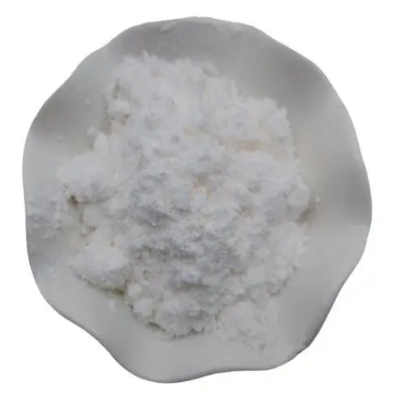
(1S,2R)-tert-butyl -2-(3-bromophenyl)cyclopropylcarbamate CAS:1314323-97-1
(1S,2R)-tert-butyl-2-(3-bromophenyl)cyclopropylcarbamate is a chemical compound known for its unique cyclopropylcarbamate moiety attached to a bromophenyl group. Commonly referred to as tBu-BPC, this compound exhibits interesting structural features that make it valuable in organic synthesis and medicinal chemistry. With its stereocenter and functional groups, tBu-BPC serves as a versatile intermediate in the preparation of various pharmaceuticals, agrochemicals, and specialty chemicals, contributing to the synthesis of complex molecular structures.