-
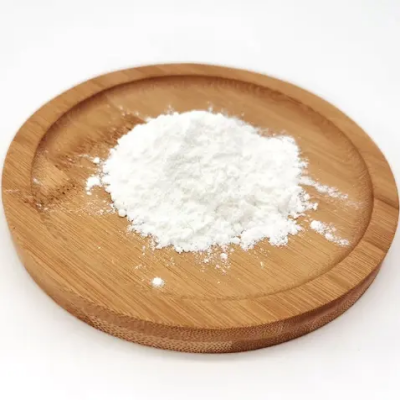
Sodiumsulfite CAS:7757-83-7
Sodium sulfite, with the chemical formula Na2SO3, is a white crystalline compound soluble in water. It is produced through the neutralization of sulfur dioxide with sodium hydroxide. Sodium sulfite finds widespread use in industrial processes, chemical synthesis, and water treatment due to its reducing properties, antioxidant capabilities, and ability to remove dissolved oxygen from aqueous solutions.
-
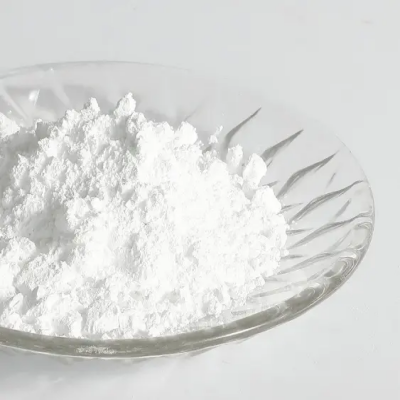
Sodiummetabisulfite CAS:7681-57-4
Sodium metabisulfite, with the chemical formula Na2S2O5, is a white crystalline compound soluble in water. It is produced through the reaction of sodium bisulfite with sodium hydroxide. Sodium metabisulfite finds widespread use in industrial processes, food preservation, and water treatment due to its antioxidant properties, ability to remove chlorine, and function as a reducing agent.
-
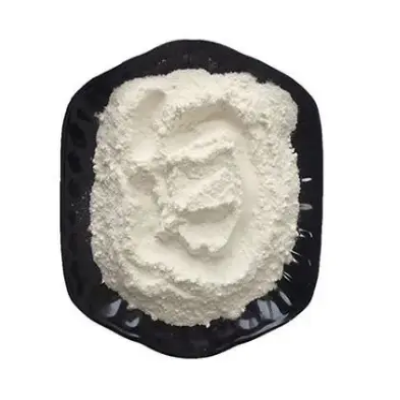
Poly(vinylalcohol) CAS:9002-89-5
Poly(vinyl alcohol) (PVA) is a synthetic polymer formed through the hydrolysis of poly(vinyl acetate). It is characterized by its water-solubility, biodegradability, and film-forming properties. PVA is widely used in various industrial and commercial applications due to its versatility and favorable properties, including its ability to act as a binder, emulsifier, and barrier agent.
-
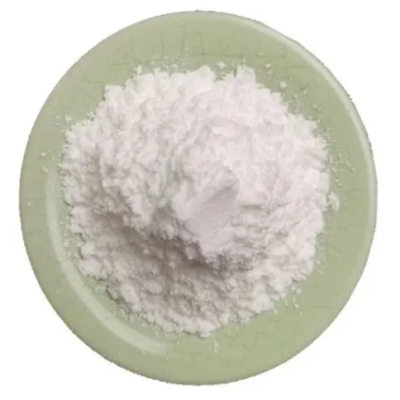
POLY(ALLYLAMINE) CAS:30551-89-4
Poly(allylamine) is a polymer compound known for its versatility and wide range of applications in various industries.
-
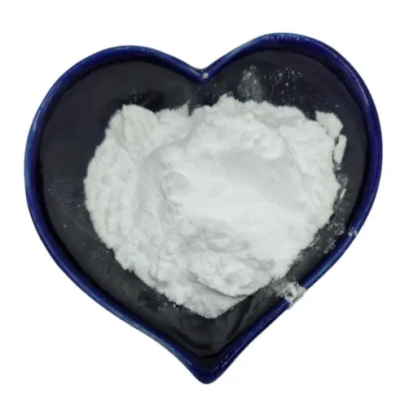
Phenylaceticacidmethylester CAS:101-41-7
Phenylacetic Acid Methyl Ester, also known as methyl phenylacetate, is a chemical compound with the molecular formula C9H10O2. It is commonly utilized in organic synthesis, particularly in the fragrance and flavor industry. This compound serves as a versatile building block due to its aromatic nature and reactivity, enabling the synthesis of various aromatic compounds.
-

Oxalicaciddihydrate CAS:6153-56-6
Oxalic acid dihydrate, represented by the chemical formula H2C2O4·2H2O, is a crystalline solid compound characterized by its high solubility in water. It forms colorless crystals and is commonly found in nature as a component of certain plants and vegetables. In its hydrated form, oxalic acid is widely used in industrial processes, laboratory experiments, and chemical synthesis due to its acidic properties and ability to form salts known as oxalates.
-

PolyethyleneTerephthalate CAS:25038-59-9
Polyethylene terephthalate (PET) is a thermoplastic polymer widely used in the production of plastic bottles, containers, and packaging films. It is derived from the polymerization of terephthalic acid and ethylene glycol. PET is known for its transparency, high tensile strength, and recyclability, making it a popular choice for packaging various products.
-
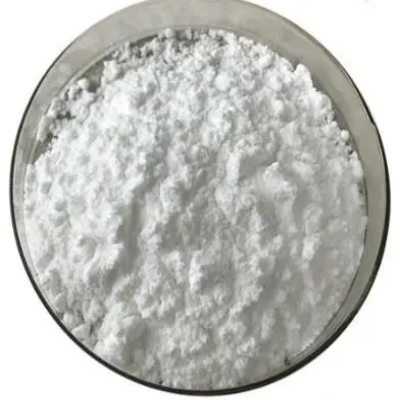
Polyquaternium-7 CAS:26590-05-6
Polyquaternium-7 is a polymer compound widely used in personal care products for its conditioning and film-forming properties. It is commonly employed as an ingredient in shampoos, conditioners, and hair styling products due to its ability to enhance hair manageability, smoothness, and overall appearance.
-
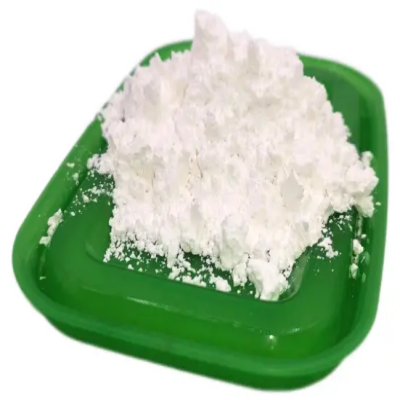
PDMDAAC CAS:26062-79-3
PDMDAAC, or Poly(dimethyl diallyl ammonium chloride), is a polymer compound widely used in water treatment, personal care products, and various industrial applications. It is known for its cationic properties and ability to form stable solutions, making it valuable in a range of fields.
-
Polypropylene CAS:9003-07-0
Polypropylene is a thermoplastic polymer that is widely used in various industries due to its versatility and cost-effectiveness. It is commonly abbreviated as PP and is known for its high melting point, resistance to moisture, chemicals, and fatigue.
-
Polyethylene CAS:9002-88-4
Polyethylene is a thermoplastic polymer composed of repeating ethylene units. It is characterized by its high strength, flexibility, and chemical resistance. Polyethylene is produced through the polymerization of ethylene monomers and is available in various forms, including high-density polyethylene (HDPE) and low-density polyethylene (LDPE). It finds extensive use in packaging, construction, automotive, and consumer goods due to its favorable properties and versatility.
-
polydimethyldiallylchloride CAS:26062-79-3
Polydimethyldiallylchloride is a polymer compound utilized in various industrial applications, valued for its versatility and chemical properties.

