-
4-HydroxyphenylboronicacidTHPether CAS:182281-01-2
4-HydroxyphenylboronicacidTHPether, with the molecular formula C12H17BO4, is a chemical compound containing a boronic acid functional group and a tetrahydropyranyl (THP) ether moiety attached to a phenyl ring. It is widely utilized as a versatile building block in organic synthesis, particularly in the formation of carbon-carbon and carbon-heteroatom bonds.
-

3-Methyldiphenylamine CAS:1205-64-7
3-Methyldiphenylamine is a chemical compound with the molecular formula C13H13N. It is a derivative of diphenylamine in which a methyl group is attached to the 3-position of one of the phenyl rings. This compound exhibits unique properties due to the presence of the methyl substituent and the diphenylamine core.
-
2-Bromobiphenyl CAS:2052-07-5
2-Bromobiphenyl is a chemical compound with the molecular formula C12H9Br. It is a derivative of biphenyl in which a bromine atom is attached to the 2-position of one of the phenyl rings. This compound exhibits unique properties due to the presence of the bromine substituent and the biphenyl core.
-
9,9-Dimethyl-9H-Fluoren-2-yl-BoronicAcid CAS:333432-28-3
9,9-Dimethyl-9H-Fluoren-2-yl-BoronicAcid (DMFBA) is a chemical compound used in organic synthesis as a boronic acid derivative. It is commonly employed in the formation of carbon-carbon bonds through Suzuki-Miyaura cross-coupling reactions, a widely used method in modern organic chemistry for constructing complex molecular structures. DMFBA’s unique structure and reactivity make it a valuable tool for the synthesis of various organic compounds, including pharmaceuticals, agrochemicals, and materials for advanced technologies.
-
2-Bromo-9,9′-spirobifluorene CAS:171408-76-7
2-Bromo-9,9′-spirobifluorene is a chemical compound with the molecular formula C15H15BO2. It belongs to the spirobifluorene family and contains a bromine atom. This compound is known for its unique spirobifluorene structure, which consists of two fluorene units connected through a spiro carbon bridge. The bromine substitution adds reactivity and versatility to the molecule, making it valuable in organic synthesis and materials science applications.
-
2-Bromo-9,9-diphenylfluorene CAS:474918-32-6
2-Bromo-9,9-diphenylfluorene is a chemical compound with the molecular formula C25H17Br. It is a brominated derivative of 9,9-diphenylfluorene, featuring a bromine atom attached to the fluorene ring. This compound is known for its aromatic structure and the presence of the bromine substituent, which imparts unique reactivity and properties to the molecule.
-
2-Biphenylboronicacid CAS:4688-76-0
2-Biphenylboronic acid is a chemical compound with the molecular formula C12H11BO2. It belongs to the class of boronic acids and contains a biphenyl group attached to a boronic acid moiety. This compound is known for its unique structure and versatile reactivity in organic synthesis.
-
2-Amino-9,9-dimethylfluorene CAS:108714-73-4
2-Amino-9,9-dimethylfluorene is a chemical compound with the molecular formula C15H15N. It is an amino derivative of 9,9-dimethylfluorene, featuring a primary amine functional group. This compound is known for its aromatic structure and the presence of the amino group, which imparts unique reactivity and properties to the molecule.
-
2,5-Dihydroxybenzaldehyde CAS:1194-98-5
2,5-Dihydroxybenzaldehyde, with the molecular formula C7H6O3, is a chemical compound featuring two hydroxyl groups attached to a benzene ring along with an aldehyde functional group. It is commonly used as a building block in organic synthesis, particularly in the production of pharmaceuticals, dyes, and fragrances.
-
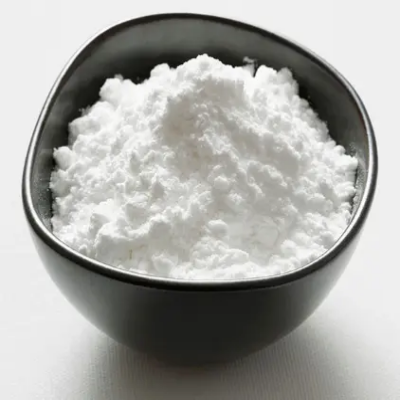
1-Bromo-4-fluoronaphthalene CAS:341-41-3
1-Bromo-4-fluoronaphthalene is a chemical compound with the molecular formula C10H6BrF. It belongs to the class of halogenated naphthalene derivatives, featuring a bromine atom and a fluorine atom attached to a naphthalene ring. It is commonly used as a building block in organic synthesis, particularly in the pharmaceutical and agrochemical industries.
-
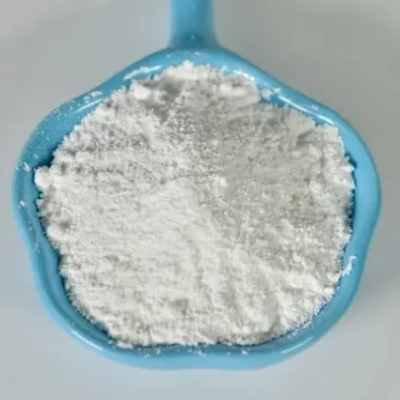
2-Bromo-9H-carbazole CAS:3652-90-2
2-Bromo-9H-carbazole is a chemical compound featuring a carbazole core structure substituted with a bromine atom at the 2-position. This compound is commonly utilized in organic synthesis and research due to its distinctive properties and reactivity.
-
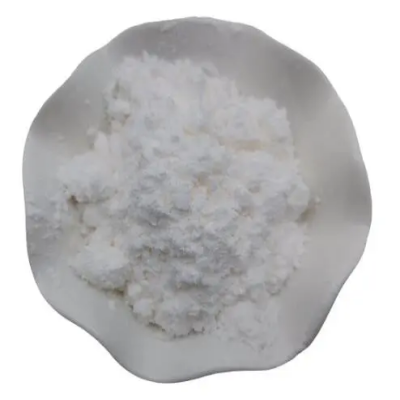
2-Bromo-9-fluorenone CAS:3096-56-8
2-Bromo-9-fluorenone is a chemical compound with the molecular formula C13H7BrO. It is a brominated derivative of fluorenone, featuring a bromine atom attached to the 2-position of the fluorenone ring. This compound is known for its aromatic structure and the presence of the bromine substituent, which imparts unique reactivity and properties to the molecule.