-
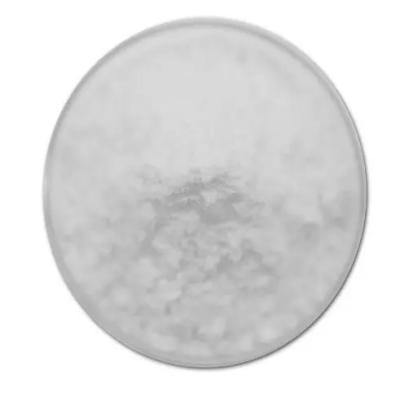
(S)-4,5,6,7-Tetrahydro-1H-indazol-5-aminehydrochloride CAS:1263078-06-3
(S)-4,5,6,7-Tetrahydro-1H-indazol-5-amine hydrochloride, with the chemical formula C8H12ClN3, presents a notable compound distinguished by its unique molecular structure and versatile applications. This organic compound exhibits intriguing chemical properties that render it valuable across various domains, particularly in pharmaceutical research and organic synthesis. Its molecular configuration offers avenues for innovation in developing novel compounds and materials, establishing it as a significant component in chemical exploration and experimentation.
-
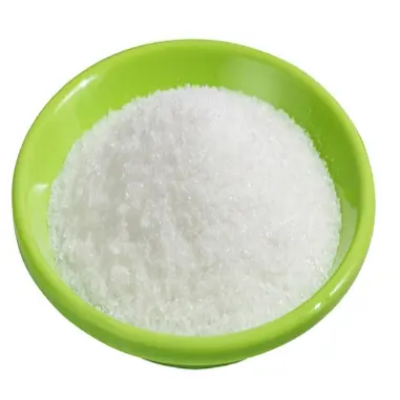
(R)-di-tert-butyl 2-(2-hydroxyethyl)piperazine-1,4-dicarboxylate CAS:2224423-03-2
(R)-di-tert-butyl 2-(2-hydroxyethyl)piperazine-1,4-dicarboxylate, with the chemical formula C18H34N2O6, is a notable compound distinguished by its unique molecular structure and versatile applications. This organic compound exhibits intriguing chemical properties that make it valuable across various domains, particularly in pharmaceutical research and organic synthesis. Its molecular arrangement presents opportunities for innovation in developing novel compounds and materials, making it a significant component in chemical exploration and experimentation.
-
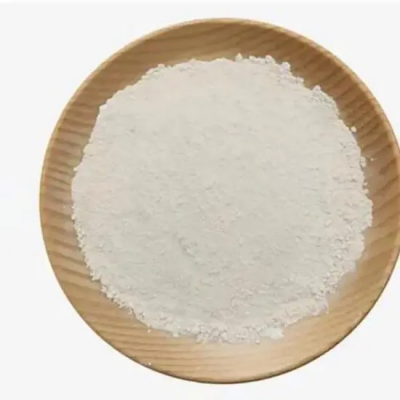
(2S,4S)-1-Boc-4-Aminopyrrolidine-2-carboxylic acid CAS:132622-66-3
(2S,4S)-1-Boc-4-aminopyrrolidine-2-carboxylic acid, with the chemical formula C10H18N2O4, is a notable compound distinguished by its molecular structure and versatile applications. This organic compound exhibits intriguing chemical properties that render it valuable in various fields, particularly in pharmaceutical research and organic synthesis. Its molecular arrangement presents opportunities for innovation in the development of novel compounds and materials, making it a significant component in chemical exploration and experimentation.
-
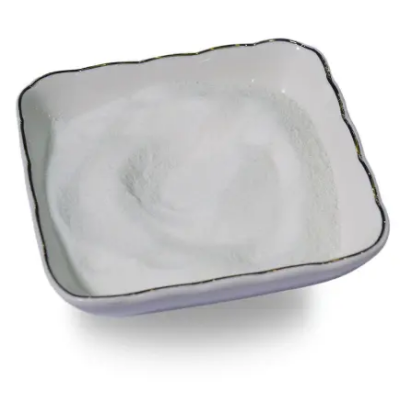
(R)-4,5,6,7-Tetrahydro-1H-indazol-5-aminehydrochloride CAS:1291790-29-8
(R)-4,5,6,7-Tetrahydro-1H-indazol-5-amine hydrochloride, with the chemical formula C9H14ClN3, is a notable compound distinguished by its unique molecular structure and versatile applications. This organic compound exhibits intriguing chemical properties that render it valuable across various domains, particularly in pharmaceutical research and organic synthesis. Its molecular arrangement presents opportunities for innovation in developing novel compounds and materials, making it a significant component in chemical exploration and experimentation.
-
2-AMINO-5-METHOXYPYRAZINE CAS:54013-07-9
2-Amino-5-Methoxypyrazine is a chemical compound known for its distinctive aroma and flavor properties. With its molecular formula C5H8N2O, this organic compound exhibits a strong odor reminiscent of roasted coffee beans, making it a valuable ingredient in the food and beverage industry. Its aromatic characteristics contribute to the complex flavor profiles of various products, enhancing their overall sensory experience.
-
Naphthalene-1,4-dione CAS:130-15-4
Naphthalene-1,4-dione, also known as 1,4-naphthoquinone, is an organic compound consisting of a naphthalene core structure with two ketone functional groups at the 1 and 4 positions. It is an orange crystalline solid that sublimes readily. Naphthalene-1,4-dione is weakly soluble in water but highly soluble in organic solvents like alcohol, acetone and ether. As a 1,4-dihydroxy aromatic compound, it possesses electrophilic reactivity associated with the ketone groups.
-
tert-Butylhydrazinehydrochloride CAS:7400-27-3
tert-Butylhydrazinehydrochloride is the hydrochloride salt form of tert-butylhydrazine. The chemical formula is C4H11N2·HCl. It is a white colored solid at room temperature. tert-Butylhydrazinehydrochloride is soluble in water and lower alcohols like methanol and ethanol. The tert-butylhydrazine molecule contains a hydrazine functional group bonded to a tert-butyl substituent. Hydrazine salts have useful reducing properties due to the hydrazine moiety.
-
P-Nitrobenzylalcohol CAS:619-73-8
p-Nitrobenzyl alcohol is an organic compound consisting of a nitro-substituted benzene ring bonded to a hydroxyl group. The chemical formula is C7H7NO3. It is a pale yellow crystalline solid that melts around 108°C. As an aromatic alcohol, p-nitrobenzyl alcohol undergoes nucleophilic substitution and oxidation reactions. The nitro group activates the benzene ring toward electrophilic aromatic substitution as well.
-
Methylalpha-D-Mannopyranoside CAS:617-04-9
Methyl α-D-mannopyranoside is a pyranose sugar derivative. It contains an α-D-mannopyranose unit with its anomeric hydroxyl group at position 1 converted to a methoxy group through esterification. This pyranose ring exists predominantly in its boat conformation. Methyl α-D-mannopyranoside is a white crystalline solid. As a primary sugar alcohol, it has important applications in organic synthesis and biochemistry.
-

PyridineHydrochloride CAS:628-13-7
Pyridine Hydrochloride is a chemical compound with the molecular formula C5H6ClN. It is a salt formed by the reaction of pyridine with hydrochloric acid. Pyridine Hydrochloride is commonly used as a reagent in organic synthesis due to its ability to facilitate various chemical reactions. It is a white crystalline solid that is soluble in water and other polar solvents.
-
Benzalkoniumchloride CAS:139-07-1
Benzalkonium chloride is a quaternary ammonium compound with the chemical formula C6H5CH2N(CH3)2RCl. It is commonly used as a disinfectant and antiseptic due to its antimicrobial properties. Benzalkonium chloride is effective against a wide range of bacteria, viruses, and fungi, making it a versatile compound in various industries.
-
4-Fluorophenol CAS:371-41-5
4-Fluorophenol is an organic compound consisting of a phenol group bonded to a fluorine atom at the para position. The chemical formula is C6H5FO. It is a colorless crystalline solid that melts at around 35°C. 4-Fluorophenol has a higher melting and boiling point compared to phenol due to the electronegative fluorine substituent. It is soluble in organic solvents like ethanol and ether but only slightly soluble in water.

