-
2-Fluorothiophenol CAS:2557-78-0
2-Fluorothiophenol is a chemical compound with the molecular formula C6H5FS, featuring a fluorine atom attached to a thiophenol ring at the 2nd position. Known for its unique chemical structure and properties, 2-Fluorothiophenol finds applications in various industries due to its reactivity and versatility.
-
2-Amino-4-chlorothiophenol CAS:1004-00-8
2-Amino-4-chlorothiophenol, with the molecular formula C6H6ClNS, is a chemical compound containing an amino group and a chlorine atom attached to a thiophenol ring at the 2nd and 4th positions, respectively. Recognized for its unique chemical structure, 2-Amino-4-chlorothiophenol has various applications in different industries due to its reactivity and functional groups.
-
2-Chlorothiophenol CAS:6320-03-2
2-Chlorothiophenol, with the molecular formula C6H4ClSH, is a chemical compound containing a chlorine atom and a thiol group attached to a thiophenol ring. This compound is recognized for its distinctive chemical structure and properties. 2-Chlorothiophenol finds application in various industries due to its reactivity and versatility.
-
2-Amino-2′-nitrodiphenylsulfide CAS:19284-81-2
2-Amino-2′-nitrodiphenylsulfide is a chemical compound with the molecular formula C12H11N3O2S. It features a diphenylsulfide structure with an amino group and a nitro group attached to each phenyl ring. This compound is notable for its diverse applications in various industries, owing to its unique chemical properties.
-
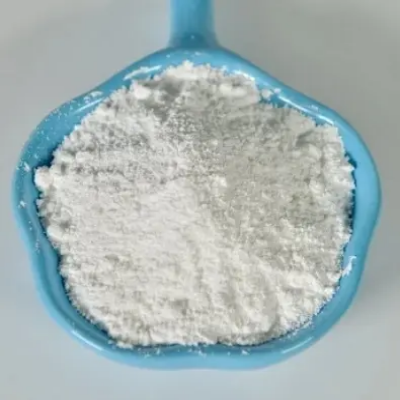
2-Chlorobenzylmercaptan CAS:17733-22-1
2-Chlorobenzylmercaptan is a chemical compound with the molecular formula C7H6ClSH. It is commonly used in organic synthesis as a building block for various pharmaceuticals and agrochemicals. This compound is known for its aromatic properties and sulfur-containing functional group, making it versatile in different applications.
-
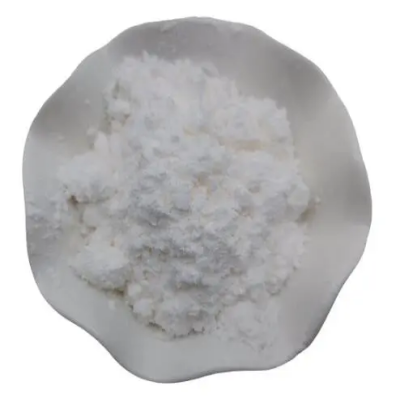
2-fluorobenzylmercaptan CAS:655-20-9
2-Fluorobenzylmercaptan, with the chemical formula C7H7FS, is a compound featuring a fluorine atom and a thiol group attached to a benzene ring. Known for its aromatic properties and unique reactivity, it serves as a versatile building block in organic synthesis due to its structural characteristics.
-

2-(4-Chlorophenylthio)aniline CAS:37750-29-1
2-(4-Chlorophenylthio)aniline is a chemical compound with the molecular formula C12H10ClNS. It is commonly referred to as 4-Chlorophenyl phenyl sulfide or PCPTS. This compound is characterized by its aromatic ring structure and the presence of a chlorine atom and thiol group. It is used in various industries for its unique chemical properties and applications.
-

Trans-methyl 1-benzyl-4-(4-(trifluoromethyl)phenyl)pyrrolidine-3-carboxylate hydrochloride CAS:2362539-88-4
Trans-methyl 1-benzyl-4-(4-(trifluoromethyl)phenyl)pyrrolidine-3-carboxylate hydrochloride is a chemical compound with the molecular formula C22H23F3NO2•HCl. It is a crystalline solid with properties that make it suitable for various applications in organic synthesis. This compound contains a pyrrolidine ring structure and a trifluoromethylphenyl group, imparting unique characteristics to its chemical behavior and reactivity.
-

trans-1-(tert-Butoxycarbonyl)-4-(3-(trifluoromethyl)phenyl)pyrrolidine-3-carboxylicacid CAS:169248-97-9
Trans-1-(tert-Butoxycarbonyl)-4-(3-(trifluoromethyl)phenyl)pyrrolidine-3-carboxylic acid is a chemical compound with the molecular formula C21H24F3NO4. It is a solid substance with a molar mass of 415.42 g/mol. This compound features a pyrrolidine ring substituted with a tert-butoxycarbonyl group, a trifluoromethylphenyl moiety, and a carboxylic acid functionality. Its structural complexity and functional groups make it suitable for various applications in organic synthesis and medicinal chemistry research.
-
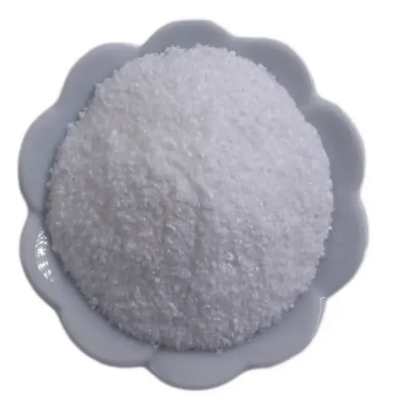
6-Isopropylpyridazin-3(2H)-one CAS:570416-36-3
6-Isopropylpyridazin-3(2H)-one is a chemical compound with the molecular formula C8H12N2O. It is a crystalline solid with a molar mass of 152.19 g/mol. This compound is characterized by its pyridazinone ring structure, which imparts unique chemical and physical properties. It is widely used as a building block in organic synthesis due to its versatility and reactivity.
-
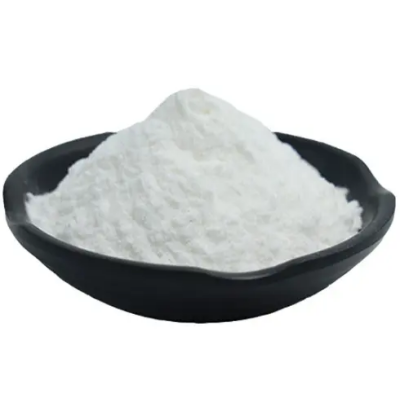
N-(2-Chloro-4-fluoro-6-methylphenyl)acetamide CAS:1710696-26-6
N-(2-Chloro-4-fluoro-6-methylphenyl)acetamide is a chemical compound with the molecular formula C9H9ClFNO. It appears as a crystalline solid with a molar mass of 203.62 g/mol. This compound features an acetamide group attached to a chlorofluoromethylphenyl moiety, imparting unique chemical properties suitable for various applications in organic synthesis. Its structural characteristics make it a valuable intermediate in pharmaceutical and agrochemical research.
-
![tert-Butyl 8-hydroxy-5-azaspiro[2.5]octane-5-carboxylate CAS:955028-95-2](https://cdn.globalso.com/xindaobiotech/S76J2VEENN5@2_BTD55.png)
tert-Butyl 8-hydroxy-5-azaspiro[2.5]octane-5-carboxylate CAS:955028-95-2
Tert-Butyl 8-hydroxy-5-azaspiro[2.5]octane-5-carboxylate is a chemical compound with the molecular formula C14H25NO3. It appears as a solid substance with a molar mass of 255.35 g/mol. This compound features a spirocyclic structure containing an azaspiro ring system and a tert-butyl ester group, imparting unique chemical properties suitable for various synthetic applications. Its structural complexity and functional groups make it valuable in organic synthesis and medicinal chemistry research.