-
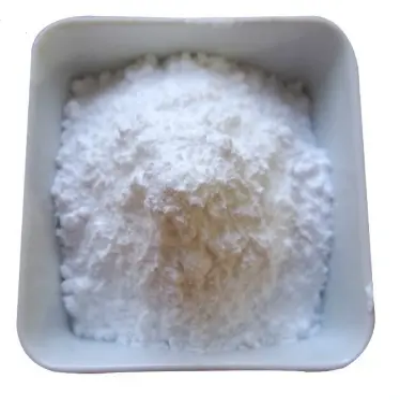
4-fluoro-alpha-(2-methyl-1-oxopropyl)-gama-oxo-n,beta-diphenylbenzenebutaneamide CAS:125971-96-2
4-fluoro-alpha-(2-methyl-1-oxopropyl)-gama-oxo-n,beta-diphenylbenzenebutaneamide is a complex chemical compound with a substitution pattern involving fluorine, methyl, oxopropyl, diphenyl, and benzene groups. This compound possesses intricate structural features and may have applications in various scientific disciplines due to its unique composition.
-
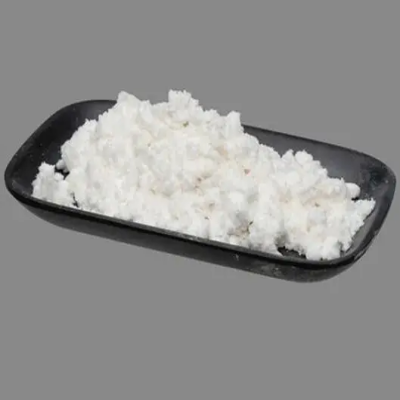
3-Chloropropiophenone CAS:936-59-4
3-Chloropropiophenone, also known as 3-chloro-1-phenylpropan-1-one, is a chemical compound with the molecular formula C9H9ClO. It is a derivative of propiophenone with a chlorine atom attached to the third carbon atom of the alkyl chain. This compound is commonly used as an intermediate in organic synthesis, particularly in the preparation of various pharmaceuticals, agrochemicals, and fine chemicals. Its molecular structure consists of a phenyl group attached to a three-carbon chain containing a carbonyl group and a chlorine atom, imparting specific chemical reactivity.
-
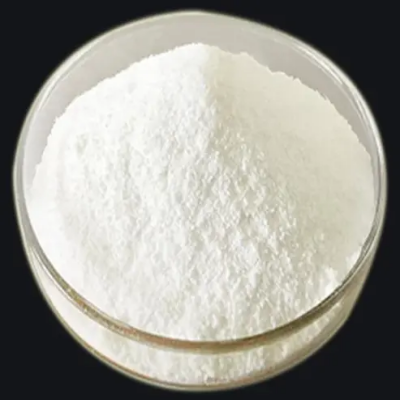
3-CHLORO-1-PHENYL-1-PROPANOL CAS:18776-12-0
3-Chloro-1-phenyl-1-propanol is a chemical compound with the molecular formula C9H11ClO. It is known for its aromatic properties and structural characteristics. This colorless to pale yellow liquid is utilized as a key intermediate in organic synthesis processes, particularly in the production of various fine chemicals, pharmaceuticals, and specialty compounds due to its versatile nature.
-
![4-Amino-3-Iodo-1H-Pyrazolo[3,4-D]Pyrimidine CAS:151266-23-8](https://cdn.globalso.com/xindaobiotech/20KKQ1ROFEVXI9DUBYB114.png)
4-Amino-3-Iodo-1H-Pyrazolo[3,4-D]Pyrimidine CAS:151266-23-8
4-Amino-3-Iodo-1H-Pyrazolo[3,4-D]Pyrimidine is a heterocyclic compound with the molecular formula C6H5IN4. It belongs to the class of pyrazolopyrimidine derivatives and contains an amino group at position 4 and an iodine atom at position 3 of the pyrazolopyrimidine ring system. This compound is recognized for its unique heterocyclic structure, which imparts specific chemical properties and reactivity. Due to its potential biological activity, it is of interest in medicinal chemistry and pharmaceutical research.
-
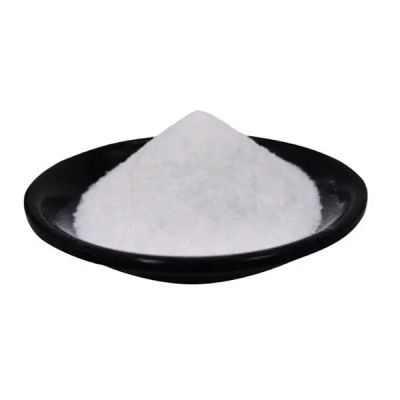
Dapoxetinehydrochloride CAS:129938-20-1
Dapoxetine hydrochloride is a drug compound belonging to the class of selective serotonin reuptake inhibitors (SSRIs). It is commonly used as an oral medication for the treatment of premature ejaculation in adult men. This white crystalline powder is known for its ability to improve control over ejaculation and delay climax, thereby enhancing sexual performance and satisfaction.
-
Atorvastatintert-ButylEster CAS:134395-00-9
Atorvastatintert-ButylEster is a chemical compound derived from Atorvastatin, belonging to the class of statins used to lower cholesterol levels. It contains a tert-butyl ester group and is utilized as an intermediate in pharmaceutical synthesis for the production of Atorvastatin. This compound serves as a crucial building block in the manufacturing process of Atorvastatin, a widely prescribed medication for managing high cholesterol and preventing cardiovascular diseases.
-
3-ethyl-5-(2-hydroxyethyl)-4-methylthiazoliumbromideCAS:54016-70-5
3-ethyl-5-(2-hydroxyethyl)-4-methylthiazoliumbromide is a chemical compound containing a thiazolium ring with ethyl, hydroxyethyl, and methyl substituents. This compound is utilized in various fields such as organic synthesis, pharmaceuticals, and materials science for its unique structural properties and potential applications.
-
![3-[3-(4-Fluorophenyl)-1-(1-methylethyl)-1H-indol-2-yl]-(E)-2-propenal CAS:93957-50-7](https://cdn.globalso.com/xindaobiotech/8NS8DBIRAVXN0VCLT117.png)
3-[3-(4-Fluorophenyl)-1-(1-methylethyl)-1H-indol-2-yl]-(E)-2-propenal CAS:93957-50-7
3-[3-(4-Fluorophenyl)-1-(1-methylethyl)-1H-indol-2-yl]-(E)-2-propenal is a chemical compound with a complex molecular structure. It contains an indole ring substituted with a fluorophenyl group and a propenal moiety in a trans configuration. This compound is utilized in various fields, including medicinal chemistry and organic synthesis, for the development of novel pharmaceuticals and functional materials.
-
2,3-Difluoro-5-(trifluoromethyl)pyridine CAS:89402-42-6
2,3-Difluoro-5-(trifluoromethyl)pyridine is a fluorinated pyridine derivative with the molecular formula C7H3F5N. It contains two fluorine atoms at positions 2 and 3, as well as a trifluoromethyl group at position 5 of the pyridine ring. This compound is known for its unique fluorinated structure, which imparts specific physicochemical properties. With its distinct molecular configuration, it is utilized in various chemical reactions and synthesis processes due to its reactivity and functional groups.
-

1-Isopropyl-3-(4-fluorophenyl)indole CAS:93957-49-4
1-Isopropyl-3-(4-fluorophenyl)indole is a chemical compound characterized by an indole ring substituted with a 4-fluorophenyl group and an isopropyl side chain. This compound exhibits unique structural features that make it of interest in various scientific fields, including organic chemistry, medicinal chemistry, and material science.
-
1-Bromo-4-propylbenzene CAS:588-93-2
1-Bromo-4-propylbenzene is a chemical compound with the molecular formula C9H11Br. It belongs to the class of brominated alkylbenzenes and consists of a bromine atom attached to the first carbon atom of a propyl group on a benzene ring. This compound is utilized as a versatile building block in organic synthesis, particularly in the preparation of various functionalized aromatic compounds and intermediates. Its molecular structure enables it to participate in diverse chemical reactions, making it valuable in the synthesis of pharmaceuticals, agrochemicals, and specialty chemicals.
-
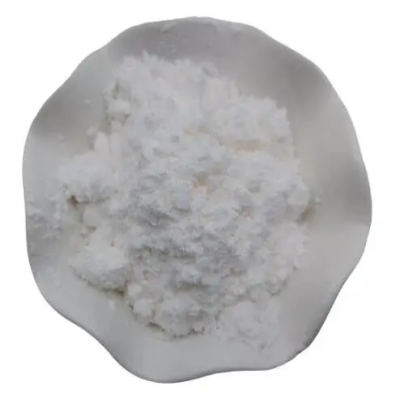
1,4-Dibromobenzene CAS:106-37-6
1,4-Dibromobenzene is a chemical compound with the molecular formula C6H4Br2. It belongs to the class of brominated benzene derivatives and consists of two bromine atoms attached to adjacent carbon atoms on a benzene ring. This compound is utilized as a versatile building block in organic synthesis, particularly in the preparation of various functionalized aromatic compounds and intermediates. Its molecular structure enables it to participate in diverse chemical reactions, making it valuable in the synthesis of pharmaceuticals, agrochemicals, and specialty chemicals.

