-

1,3-Dibromobenzene CAS:108-36-1
1,3-Dibromobenzene is a chemical compound with the molecular formula C6H4Br2. It belongs to the class of brominated benzene derivatives and consists of two bromine atoms attached to carbon atoms at positions 1 and 3 on a benzene ring. This compound is utilized as a versatile building block in organic synthesis, particularly in the preparation of various functionalized aromatic compounds and intermediates. Its molecular structure enables it to participate in diverse chemical reactions, making it valuable in the synthesis of pharmaceuticals, agrochemicals, and specialty chemicals.
-
(R)-(+)-3-chloro1-phenyl-1-propanol CAS:100306-33-0
(R) -(+)-3-chloro-1-phenyl-1-propanol is a chiral compound with a molecular formula C9H11ClO. It is commonly used in organic synthesis and pharmaceutical research due to its unique chemical properties. This compound contains a chiral center and exhibits optical activity. Its stereochemistry plays a crucial role in determining its reactivity and biological activity. (R)-(+)-3-chloro-1-phenyl-1-propanol has potential applications in the development of new drugs and as a building block in the synthesis of complex organic molecules.
-
2-methylbenzothiazole CAS:120-75-2
2-Methylbenzothiazole is a chemical compound with the molecular formula C8H7NS. It belongs to the benzothiazole class of compounds and features a methyl group at position 2 of the benzothiazole ring system. This compound is known for its aromatic structure and is utilized in organic synthesis for its reactivity and functional groups. Its molecular configuration allows for participation in various chemical reactions, making it valuable in the preparation of pharmaceuticals, agrochemicals, and specialty chemicals.
-

2-Amino-5-fluoropyridine CAS:21717-96-4
2-Amino-5-fluoropyridine is a heterocyclic compound with the molecular formula C5H5FN2. It is characterized by a pyridine ring with an amino group at position 2 and a fluorine atom at position 5. This compound is widely used as a building block in organic synthesis due to its versatility and reactivity. Its molecular structure enables it to participate in various chemical reactions, making it valuable in the preparation of pharmaceuticals, agrochemicals, and specialty chemicals.
-
2,5-Dibromonitrobenzene CAS:3460-18-2
2,5-Dibromonitrobenzene is a chemical compound with the molecular formula C6H3Br2NO2. It belongs to the class of brominated nitrobenzenes and consists of two bromine atoms and a nitro group attached to carbon atoms at positions 2 and 5 on a benzene ring. This compound is known for its unique aromatic structure and is utilized in organic synthesis for its reactivity and functional groups. Its molecular configuration allows for participation in various chemical reactions, making it valuable in the preparation of pharmaceuticals, agrochemicals, and specialty chemicals.
-
2-Benzylideneisobutyrylacetanilide CAS:125971-57-5
2-Benzylideneisobutyrylacetanilide is a chemical compound characterized by a benzylidene group attached to an isobutyrylacetanilide backbone. This compound exhibits specific structural properties that make it of interest in various scientific fields, including organic chemistry, medicinal chemistry, and material science.
-

2-(4-(benzyloxy)-6-nitrophenyl)acetic acid CAS:6860-79-3
2-(4-(benzyloxy)-6-nitrophenyl)acetic acid is a chemical compound with the molecular formula C15H13NO5. It consists of a phenylacetic acid core functionalized with a benzyl ether and a nitro group at specific positions on the phenyl ring. This compound is widely employed in organic synthesis and pharmaceutical research due to its structural features and potential biological activities. Its unique composition makes it a valuable intermediate for designing novel molecules with diverse properties and applications.
-
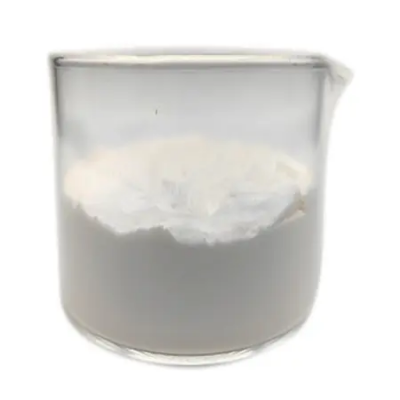
3-bromo-5-ethylpyridine is a chemical compound with the molecular formula C8H10BrN. It belongs to the pyridine class of compounds and contains a bromine substituent at the 3-position and an ethyl group at the 5-position on the pyridine ring. This compound is commonly used in organic synthesis, ph...
4-(2,2-Diethoxy-ethoxy)-but-1-ene is a chemical compound with the molecular formula C10H20O4. It consists of a butene backbone substituted with a diethoxy-ethoxy group at the 4-position, forming a versatile molecule with potential applications in organic synthesis and materials science. This compound serves as a valuable intermediate for creating functionalized compounds and polymers with diverse chemical properties and applications.
-

3-bromo-5-ethylpyridine CAS:142337-95-9
3-bromo-5-ethylpyridine is a chemical compound with the molecular formula C8H10BrN. It belongs to the pyridine class of compounds and contains a bromine substituent at the 3-position and an ethyl group at the 5-position on the pyridine ring. This compound is commonly used in organic synthesis, pharmaceutical research, and agrochemical development due to its unique structure and reactivity. Its functional groups make it a valuable building block for creating diverse molecules with potential biological activities or specific chemical properties.
-
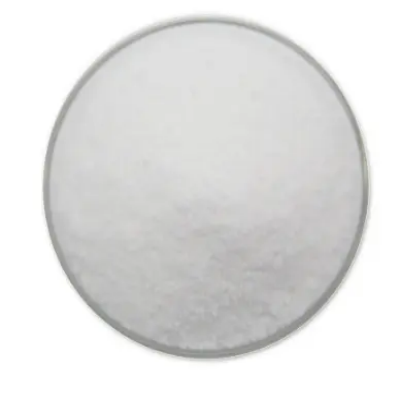
4-Methoxy-2,3-dihydro-1H-inden-1-amine hydrochloride CAS:41566-80-7
4-Methoxy-2,3-dihydro-1H-inden-1-amine hydrochloride is a chemical compound with the molecular formula C10H14ClNO. It features an indane ring system substituted with a methoxy group and an amine functionality at the 1-position, forming a stable hydrochloride salt. This compound is utilized in organic synthesis, medicinal chemistry, and neuroscience research due to its unique structure and potential pharmacological applications. The presence of the hydrochloride moiety enhances solubility and facilitates its use in various experimental settings.
-
![5-bromo-3-iodo-1H-pyrazolo[3,4-c]pyridine CAS:1357947-08-0](https://cdn.globalso.com/xindaobiotech/8NS8DBIRAVXN0VCLT115.png)
5-bromo-3-iodo-1H-pyrazolo[3,4-c]pyridine CAS:1357947-08-0
5-Bromo-3-iodo-1H-pyrazolo[3,4-c]pyridine is a chemical compound with the molecular formula C7H4BrIN4. It belongs to the pyrazolo[3,4-c]pyridine family and contains bromine and iodine atoms at the 5 and 3 positions, respectively, on the pyrazolo ring. This compound is known for its unique heterocyclic structure, which imparts specific chemical and physical properties, making it valuable in organic synthesis and medicinal chemistry. The bromine and iodine substituents enhance its reactivity and enable the synthesis of complex molecules with potential applications in pharmaceuticals, agrochemicals, or materials science.
-
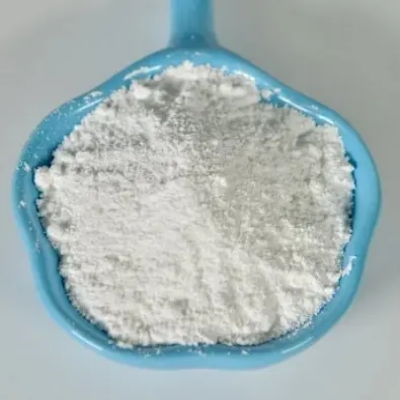
(S)-2-(4-benzylpiperazin-2-yl)ethanol CAS:477220-33-0
(S)-2-(4-benzylpiperazin-2-yl)ethanol is a chemical compound with the molecular formula C17H24N2O. It consists of an ethanol moiety substituted with a benzylpiperazine group at the 2-position, forming a chiral molecule with potential pharmaceutical applications. The stereochemistry of this compound imparts specific biological activities and interactions due to the arrangement of atoms around the stereocenter. This chiral form plays a crucial role in determining the compound’s pharmacological properties, receptor affinity, and therapeutic potential in drug development and medicinal chemistry.