-
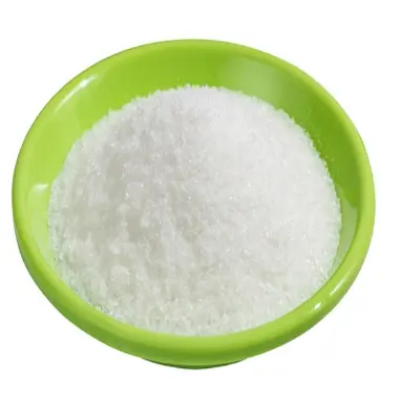
tert-butyl 4,5,6,7-tetrahydro-1H-indazol-5-ylcarbamate CAS:1158767-01-1
tert-Butyl 4,5,6,7-tetrahydro-1H-indazol-5-ylcarbamate is a chemical compound commonly employed in pharmaceutical research and development as a versatile intermediate for synthesizing diverse biologically active molecules. This compound serves as a crucial building block in medicinal chemistry, offering opportunities to explore structure-activity relationships and develop novel compounds with potential pharmacological applications.
-

Piperidine-2-carbonitrile hydrochloride CAS:117921-54-7
Piperidine-2-carbonitrile hydrochloride is a chemical compound widely utilized in organic synthesis and pharmaceutical research. Its piperidine core structure with a cyano group offers versatility for the creation of diverse molecules with potential biological activities.
-
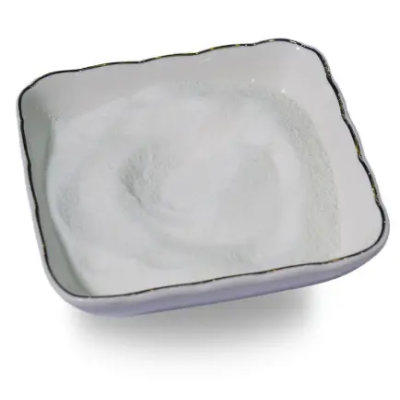
4-methoxy-2,3-dihydro-1H-inden-1-ol CAS:67199-57-9
4-methoxy-2,3-dihydro-1H-inden-1-ol is a chemical compound with applications in organic synthesis and medicinal chemistry. Its unique structure containing a methoxy group and a hydroxyl group makes it an interesting intermediate for the preparation of various organic molecules with potential biological activities.
-
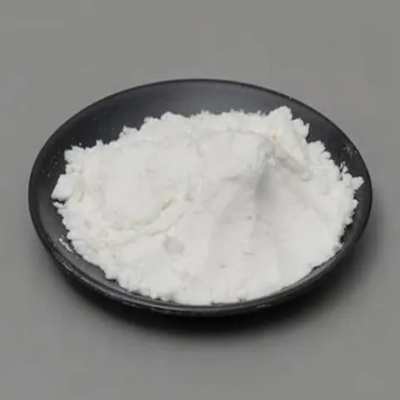
methyl isoquinoline-8-carboxylate CAS:850858-56-9
Methyl isoquinoline-8-carboxylate is a chemical compound with applications in organic synthesis and pharmaceutical research. Its isoquinoline core structure makes it a valuable building block for the preparation of diverse molecules with potential biological activities.
-

Tobramycin Base CAS:32986-56-4
Tobramycin base is a broad-spectrum antibiotic commonly used in the treatment of various bacterial infections, particularly those affecting the eyes and skin. It belongs to the aminoglycoside class of antibiotics and works by inhibiting bacterial protein synthesis, leading to bacterial cell death. Tobramycin base is available in different formulations, including eye drops, ointments, and injectables, allowing for versatile application depending on the infection type and severity.
-
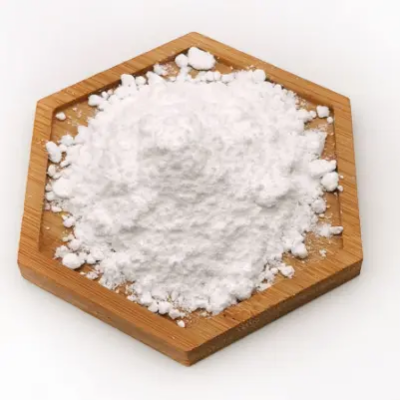
trans-2-Carbomethoxycyclohexane-1-carboxyicacidCAS:2484-60-8
trans-2-Carbomethoxycyclohexane-1-carboxyic acid is a compound with potential applications in organic synthesis and medicinal chemistry. Its unique structure and functional groups make it an interesting molecule for the development of novel compounds with diverse properties.
-
Tilmicosin CAS:108050-54-0
Tilmicosin is a veterinary antibiotic belonging to the macrolide class, primarily used in livestock, particularly in cattle and swine. It effectively treats respiratory diseases caused by certain bacteria, such as Pasteurella spp. and Mycoplasma spp. Tilmicosin works by inhibiting bacterial protein synthesis, thereby halting their growth and replication.
-
Vancomycin hydrochloride CAS:1404-93-9
Vancomycin hydrochloride is a potent antibiotic used primarily in the treatment of serious bacterial infections, particularly those caused by gram-positive bacteria resistant to other antibiotics. It belongs to the glycopeptide class of antibiotics and works by inhibiting bacterial cell wall synthesis, leading to cell death. Vancomycin hydrochloride is often considered a “last resort” antibiotic for infections that do not respond to other treatments.
-
Trimethoprim CAS:3380-34-5
Trimethoprim is a synthetic antibiotic used to treat various bacterial infections, especially those affecting the urinary tract, respiratory tract, and skin. It belongs to the dihydrofolate reductase inhibitor class of antibiotics, working by blocking the production of tetrahydrofolic acid, which is essential for bacterial growth and replication. Trimethoprim is often used in combination with sulfamethoxazole, forming the potent antibiotic combination co-trimoxazole (TMP-SMX). This combination enhances the antibacterial activity and helps prevent the development of bacterial resistance.
-
Tylosin tartrate CAS:74610-55-2
Tylosin tartrate is a veterinary antibiotic commonly used in the treatment of various infections in livestock, particularly poultry and swine. It belongs to the macrolide class of antibiotics and is effective against gram-positive bacteria, mycoplasma, and certain protozoa. Tylosin tartrate works by inhibiting bacterial protein synthesis, thereby interfering with bacterial growth and reproduction.
-
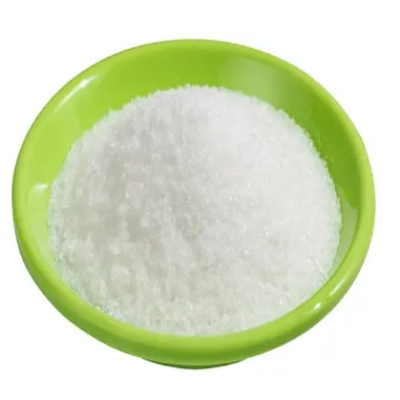
Trimethoprim CAS:738-70-5
Trimethoprim is a synthetic antibiotic used to treat various bacterial infections, especially those affecting the urinary tract, respiratory tract, and skin. It belongs to the dihydrofolate reductase inhibitor class of antibiotics, working by blocking the production of tetrahydrofolic acid, which is essential for bacterial growth and replication. Trimethoprim is often used in combination with sulfamethoxazole, forming the potent antibiotic combination co-trimoxazole (TMP-SMX). This combination enhances the antibacterial activity and helps prevent the development of bacterial resistance.
-
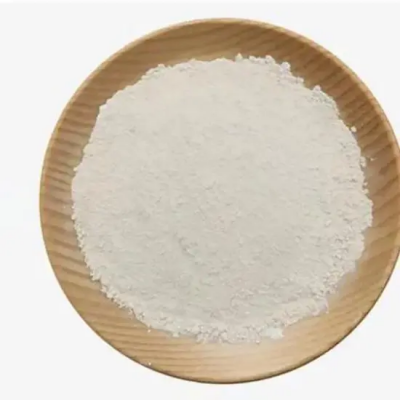
Trimethoprim lactate CAS:23256-42-0
Trimethoprim lactate is a pharmaceutical derivative of trimethoprim, an antibiotic commonly used to treat bacterial infections. Trimethoprim lactate combines the antibacterial properties of trimethoprim with the benefits of lactate salt, which can enhance solubility and bioavailability in certain formulations. This combination offers an effective treatment option for various bacterial infections susceptible to trimethoprim.

