-
1,4-Dimethylpyrazole CAS:1072-68-0
1,4-Dimethylpyrazole is an organic compound with the formula C4H8N2. It is a colorless liquid that is soluble in common organic solvents such as ethanol and diethyl ether. This molecule contains a pyrazole ring with methyl substituents at the 1- and 4-positions.
-

1-methyl-3-pyrrolidinol CAS:13220-33-2
1-Methyl-3-pyrrolidinol is a chemical compound featuring a methyl group attached to the first position of the pyrrolidinol molecule. It is utilized as a versatile building block and intermediate in organic synthesis for the production of pharmaceuticals, agrochemicals, and specialty chemicals.
-
1-(benzyl)pyrrolidin-3-one CAS:775-16-6
1-(Benzyl)pyrrolidin-3-one is a chemical compound where a benzyl group is attached to the pyrrolidin-3-one molecule. It is commonly employed as a versatile building block and intermediate in organic synthesis for pharmaceuticals, agrochemicals, and specialty chemicals.
-
(S)-(-)-N-benzyl3-hydroxypyrrolidine CAS:101385-90-4
(S) -(-)-N-Benzyl-3-hydroxypyrrolidine is a chemical compound with a benzyl group attached to the 3-hydroxypyrrolidine molecule in the S configuration. It is utilized as a versatile building block and intermediate in organic synthesis for various applications.
-
1,3-Diethenyl-1,1,3,3-tetramethyldisiloxane CAS:2627-95-4
1,3-Diethenyl-1,1,3,3-tetramethyldisiloxane is a chemical compound with the molecular formula C8H18OSi2. It is utilized as a versatile cross-linking agent and reactive intermediate in silicone polymer synthesis, organic chemistry, and materials science.
-
Salinomycin CAS:53003-10-4
Salinomycin is a polyether ionophore antibiotic used primarily in veterinary medicine as an anticoccidial agent to control and prevent coccidiosis, a common intestinal parasitic infection affecting poultry and livestock. It belongs to the monensin class of antibiotics and works by disrupting the ion balance within coccidian parasites, leading to their death and preventing further replication in the host animals.
-
Spectinomycin sulfate tetrahydrate CAS:64058-48-6
Spectinomycin sulfate tetrahydrate is an antibiotic belonging to the aminocyclitol class, primarily used in veterinary medicine for the treatment of bacterial infections in animals. It works by inhibiting bacterial protein synthesis, targeting pathogens such as Pasteurella, Haemophilus, and Actinobacillus in livestock species. Spectinomycin sulfate tetrahydrate is available in injectable formulations and is valued for its efficacy against certain gram-negative bacteria resistant to other antibiotics.
-
Spiramycin CAS:8025-81-8
Spiramycin is a macrolide antibiotic used in both human and veterinary medicine to treat various bacterial infections. It belongs to the same class of antibiotics as erythromycin and azithromycin, exhibiting bacteriostatic activity against a wide range of gram-positive bacteria. Spiramycin works by inhibiting bacterial protein synthesis, leading to the suppression of bacterial growth and reproduction.
-

Sparfloxacin CAS:110871-86-8
Sparfloxacin is a fluoroquinolone antibiotic used to treat various bacterial infections. It exhibits broad-spectrum activity against both gram-positive and gram-negative bacteria, including respiratory pathogens like Streptococcus pneumoniae and Haemophilus influenzae. Sparfloxacin works by inhibiting bacterial DNA gyrase and topoisomerase IV enzymes, disrupting bacterial replication and growth.
-
Ristocetin A Sulfate CAS:11140-99-1
Ristocetin A Sulfate is an antibiotic compound derived from the bacterium Nocardia lurida. It belongs to the group of glycopeptide antibiotics and is known for its unique ability to induce platelet agglutination by binding to von Willebrand factor and platelet glycoprotein Ib. Ristocetin A Sulfate is used in laboratory settings to assess von Willebrand factor activity and diagnose various bleeding disorders related to platelet function.
-
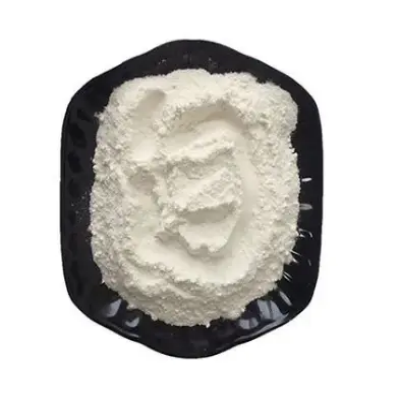
Ronidazole CAS:7681-76-7
Ronidazole is an antimicrobial agent belonging to the nitroimidazole class, commonly used in veterinary medicine for the treatment of protozoal infections in animals. It exhibits potent activity against parasites such as Giardia, Tritrichomonas, and Histomonas, making it effective in combating intestinal and systemic infections. Ronidazole acts by interfering with the DNA synthesis of protozoa, leading to their destruction and clearance from the host organism.
-
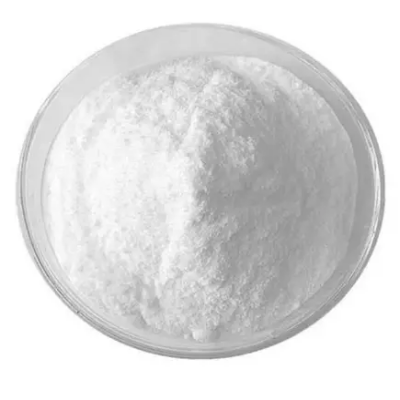
Rifaximin CAS:80621-81-4
Rifaximin is a broad-spectrum antibiotic classified as a rifamycin derivative. It is commonly used to treat various gastrointestinal infections and conditions, including traveler’s diarrhea, irritable bowel syndrome with diarrhea (IBS-D), and hepatic encephalopathy. Rifaximin works by inhibiting bacterial RNA synthesis, particularly in the gut, targeting pathogenic bacteria while minimizing disruption to the normal intestinal flora.

