-
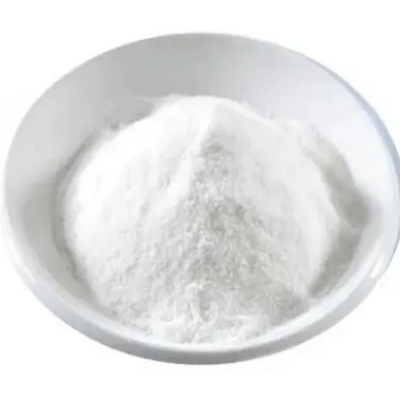
Penicillin G potassium salt (Benzylpenicillin potassium salt) CAS:113-98-4
Penicillin G potassium salt is an antibiotic used to treat bacterial infections. It contains penicillin G, the potassium salt form of benzylpenicillin. Penicillin G works by interfering with bacterial cell wall synthesis, which kills or prevents the growth of susceptible bacteria. It is available as white powder or crystals that are reconstituted for injection to deliver the antibiotic systemically. Once reconstituted, it must be used immediately.
-
Minocycline hydrochloride CAS:52-66-4
DL-Penicillamine is a potent chelating agent primarily used in the treatment of Wilson’s disease, rheumatoid arthritis, and cystinuria. As a derivative of penicillin, it exhibits remarkable efficacy in binding heavy metals, particularly copper, thus aiding in their excretion from the body. This pharmaceutical compound, available in various forms such as tablets and capsules, functions by disrupting the formation of copper-dependent enzymes, consequently reducing copper levels in tissues and preventing associated toxicities. DL-Penicillamine is known for its ability to alleviate symptoms and improve the quality of life for patients suffering from conditions characterized by copper accumulation or abnormal cystine metabolism.
-

Polymyxin B sulfate CAS:1405-20-5
Polymyxin B sulfate is an antibiotic medication that belongs to the polymyxin group of drugs. It is known for its potent bactericidal activity against gram-negative bacteria, particularly strains that are resistant to other antibiotics. Polymyxin B sulfate works by disrupting the integrity of the bacterial cell membrane, leading to cell death. Due to its narrow spectrum of activity and potential for nephrotoxicity and neurotoxicity, polymyxin B sulfate is typically reserved for severe infections caused by multidrug-resistant gram-negative bacteria when no alternative treatment options are available.
-
D-Penicillamine CAS:52-67-5
D-Penicillamine is a drug used to treat people with Wilson’s disease and cystinuria. It contains D-penicillamine, the active ingredient. D-penicillamine works by removing excess copper from the body that builds up in Wilson’s disease and by helping the kidneys excrete cystine crystals that form in cystinuria. It comes as a capsule or tablet that is usually taken three times a day on an empty stomach with food or milk to reduce potential stomach upset.
-
Piperacillin Sodium Salt CAS:59703-84-3
Piperacillin sodium salt is a broad-spectrum antibiotic belonging to the penicillin group of drugs. It is commonly used in the treatment of bacterial infections due to its ability to inhibit the synthesis of bacterial cell walls, leading to bacterial cell death. Piperacillin sodium salt is effective against a wide range of gram-positive and gram-negative bacteria, making it a versatile and important medication in the management of various infectious diseases.
-
Physostigmine salicylate CAS:57-64-7
Physostigmine salicylate is a medication that belongs to the class of drugs known as cholinesterase inhibitors. It is primarily used for its effects on the nervous system, specifically in the treatment of certain conditions like myasthenia gravis and glaucoma. Physostigmine salicylate works by inhibiting the breakdown of acetylcholine in the body, leading to increased levels of this neurotransmitter in the brain and muscles. This mechanism of action helps to improve muscle strength and tone in myasthenia gravis patients, as well as reduce intraocular pressure in individuals with glaucoma.
-
Trimethoxysilane CAS:2487-90-3
Trimethoxysilane is a silane coupling agent with the chemical formula C3H10O3Si, containing three methoxy groups attached to a silicon atom. It is a colorless liquid that undergoes hydrolysis in the presence of moisture, forming silanol groups that can react with various substrates to improve adhesion and compatibility in materials science applications.
-
Phenyltrimethylammoniumtribromide CAS:4207-56-1
Phenyltrimethylammoniumtribromide is a quaternary ammonium salt with the formula (C6H5)N(CH3)3Br3, composed of a phenyl group and three methyl groups attached to an ammonium cation along with three bromide anions. It is a solid compound that is used as a versatile reagent in organic synthesis, particularly in bromination reactions for the introduction of bromine atoms into organic molecules.
-
Triethoxyoctylsilane CAS:2943-75-1
Triethoxyoctylsilane is a silane coupling agent with the chemical formula C16H36O3Si, consisting of an octyl group and three ethoxy groups attached to a silicon atom. It is a colorless liquid that serves as a surface modifier and adhesion promoter in various material applications, offering enhanced compatibility and bonding capabilities between organic and inorganic components.
-
Phenyltrimethoxysilane CAS:2996-92-1
Phenyltrimethoxysilane is a silane coupling agent with the chemical formula C9H14O3Si, containing a phenyl group and three methoxy groups attached to a silicon atom. It is a clear liquid that is soluble in organic solvents and used as a versatile precursor in organosilicon chemistry for surface modification and material synthesis.
-
Phenethylalcohol CAS:60-12-8
Phenethylalcohol, also known as 2-phenylethanol, is a colorless liquid with a floral rose-like odor. It is naturally occurring in various essential oils like rose oil and carnation oil. This compound is commonly used in the fragrance and flavor industry due to its pleasant aroma. In addition to its use in perfumery, phenethylalcohol is utilized in cosmetics, soaps, and other personal care products for its appealing scent.
-

L(+)-Lacticacid CAS:79-33-4
L(+)-lactic acid is a form of lactic acid that exists in the optically pure left-handed configuration. It is a colorless, water-soluble liquid with a mild acidic taste and odor. This organic acid is naturally present in fermented foods like yogurt and sauerkraut. L(+)-lactic acid has various industrial applications due to its properties and versatility.

