-
ISOPROPYL(S)-(-)-LACTATE CAS:63697-00-7
ISOPROPYL(S)-(-)-LACTATE is an optically active compound derived from lactic acid, featuring an isopropyl group and existing in the S-enantiomeric form. This liquid substance possesses unique properties due to its specific molecular configuration.
-
HEPESSodiumSalt CAS:75277-39-3
HEPES Sodium Salt, also known as 4-(2-Hydroxyethyl)-1-piperazineethanesulfonic acid sodium salt, is a buffering agent commonly used in biological and biochemical research. It is a zwitterionic organic compound that helps maintain a stable pH environment in cell culture and biochemical assays. HEPES Sodium Salt is highly soluble in water and has minimal interference with biological systems, making it an ideal choice for various applications.
-
HEPES CAS:7365-45-9
HEPES, which stands for 4-(2-Hydroxyethyl)-1-piperazineethanesulfonic acid, is a zwitterionic organic compound commonly used as a buffering agent in biological and biochemical research. It is a widely utilized buffer due to its high solubility in water, minimal impact on biological systems, and ability to maintain a stable pH environment. HEPES is essential for maintaining optimal conditions in cell culture, enzyme assays, and various biochemical experiments.
-

Octanoicacid CAS:124-07-2
Octanoic acid, also known as caprylic acid, is a saturated fatty acid with a chemical formula C8H16O2. It is a colorless oily liquid with a slightly unpleasant odor. This compound occurs naturally in various foods such as coconut oil, palm oil, and milk. Octanoic acid is used in different industries including food, pharmaceuticals, and cosmetics due to its diverse properties.
-
N-MethylTaurineSodiumSalt CAS:4316-74-9
N-MethylTaurine Sodium Salt is a compound formed by the combination of N-methyltaurine and sodium ions. It is commonly used in scientific research and pharmaceutical applications due to its unique properties. This compound plays a crucial role in various biochemical processes and has potential therapeutic benefits.
-
MESSodiumSalt CAS:71119-23-8
MES Sodium Salt, also known as 2-(N-morpholino)ethanesulfonic acid sodium salt, is a buffering agent commonly used in biochemical and molecular biology research. It is the sodium salt form of MES, a zwitterionic compound. MES Sodium Salt is highly soluble in water and is favored for its ability to maintain a stable pH environment in various biological and chemical applications.
-

Methylpyruvate CAS:600-22-6
Methylpyruvate is a chemical compound derived from pyruvic acid, with a methyl group attached. It is a colorless liquid with various industrial and research applications due to its distinct properties.
-
Methyl4-chloroacetoacetate CAS:32807-28-6
Methyl 4-chloroacetoacetate, commonly abbreviated as MCAA, is a clear to pale yellow liquid with a pungent odor. It is primarily used as a key intermediate in organic synthesis, particularly in the production of pharmaceuticals and agrochemicals. This compound is valued for its versatile reactivity and role as a building block in the synthesis of complex molecules. Methyl 4-chloroacetoacetate is known for its involvement in various chemical transformations, making it a crucial component in the synthesis of diverse organic compounds.
-
MESMonohydrate CAS:145224-94-8
MES Monohydrate, also known as 2-(N-morpholino)ethanesulfonic acid monohydrate, is a zwitterionic buffering agent commonly used in biochemical and molecular biology applications. It is a crystalline compound composed of MES and a water molecule. This highly soluble buffer helps maintain a stable pH environment in various biological experiments and is favored for its low toxicity and minimal interference with biological systems.
-

DL-Lacticacid CAS:50-21-5
DL-lactic acid is a racemic mixture of both L(+) and D(-) forms of lactic acid. It is a colorless, odorless liquid that is water-soluble. DL-lactic acid is commonly found in fermented foods like yogurt and sourdough bread. This organic compound exhibits properties that make it useful across various industries.
-
D(-)-lacticacid CAS:10326-41-7
D(-)-lactic acid is a type of lactic acid that exists in the optically pure form, with a specific rotation to the left. It is a colorless, odorless, and water-soluble compound. D(-)-lactic acid is found naturally in certain foods like fermented vegetables and dairy products. This organic acid is used in various industries for its properties and applications.
-
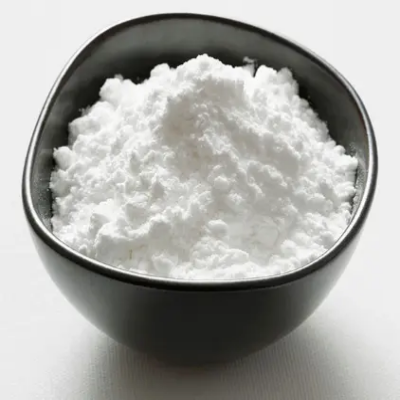
Cyanamide CAS:420-04-2
Cyanamide is an organic compound with the chemical formula H₂NCN, consisting of amino and nitrile functional groups. It is a white crystalline solid that is soluble in water and commonly used in organic synthesis and agriculture. Cyanamide has diverse applications due to its reactivity and ability to participate in various chemical reactions.

