-
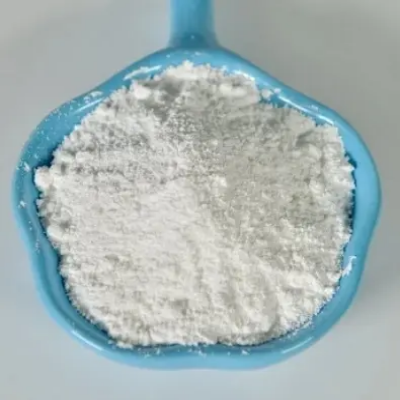
Gentamycin Sulfate CAS:1405-41-0
Gentamicin sulfate is a broad-spectrum antibiotic belonging to the aminoglycoside class, commonly used in clinical practice to treat various bacterial infections. It exhibits potent bactericidal activity against a wide range of Gram-negative and some Gram-positive bacteria by disrupting protein synthesis. Gentamicin sulfate is available in different formulations, including injectable solutions and topical preparations, making it versatile for treating systemic and localized infections.
-
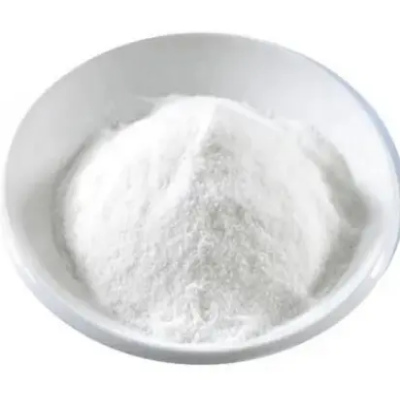
Hygromycin B CAS:31282-04-9
Hygromycin B is an antibiotic derived from Streptomyces hygroscopicus that is commonly used in molecular biology and cell culture applications. It is known for its ability to inhibit protein synthesis by interfering with ribosomes, making it effective against a wide range of bacteria, fungi, and higher eukaryotic cells. Hygromycin B is often used as a selective agent in genetic engineering to identify transformed cells that have incorporated resistance genes against this antibiotic.
-

Imipenem anhydrous CAS:64221-86-9
Imipenem anhydrous is a broad-spectrum antibiotic belonging to the carbapenem class, known for its effectiveness against a wide range of bacterial infections. It works by inhibiting bacterial cell wall synthesis, making it a potent treatment option for severe infections caused by multidrug-resistant bacteria. Imipenem anhydrous is commonly used in clinical settings for treating complicated intra-abdominal infections, pneumonia, urinary tract infections, and sepsis due to its broad coverage against both gram-positive and gram-negative bacteria.
-

Hexamidine diisethionate CAS:659-40-5
Hexamidine diisethionate is a synthetic compound with antimicrobial and anti-inflammatory properties. It is commonly used in skincare products for its ability to combat various skin conditions. This ingredient is known for its effectiveness in controlling bacteria and reducing inflammation on the skin, making it suitable for treating acne, eczema, and other skin irritations. Hexamidine diisethionate can help in maintaining healthy skin by keeping it clear and free from harmful microorganisms, allowing for a balanced and rejuvenated complexion.
-
Geldanamycin CAS:30562-34-6
Geldanamycin is a naturally occurring antibiotic derived from Streptomyces hygroscopicus. It belongs to the class of benzoquinone ansamycins and exhibits potent anti-cancer properties by inhibiting heat shock protein 90 (Hsp90), a chaperone protein essential for cancer cell survival. Geldanamycin has shown promise in preclinical studies as a potential therapeutic agent against various types of cancers.
-
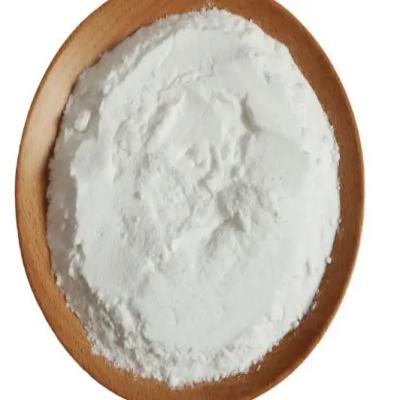
Furazolidone CAS:67-45-8
Furazolidone is a synthetic nitrofuran antibiotic with broad-spectrum antimicrobial properties. It is commonly used to treat bacterial and protozoal infections in both veterinary and human medicine. Furazolidone works by inhibiting the growth of bacteria and parasites through interfering with their metabolic processes. This antibiotic is known for its effectiveness against various Gram-positive and Gram-negative bacteria, as well as certain protozoa.
-
Halquinol CAS:8067-69-4
Halquinol is a veterinary antimicrobial agent with antiprotozoal and antibacterial properties. It belongs to the class of 8-hydroxyquinoline compounds and is commonly used in livestock and poultry production to control and prevent intestinal infections caused by bacteria and protozoa. Halquinol helps improve animal health and performance by targeting specific pathogens in the gastrointestinal tract.
-
Geneticin disulfate (G418 sulfate) CAS:108321-42-2
Geneticin disulfate, also known as G418 sulfate, is a potent antibiotic derived from Micromonospora rhodorangea. It belongs to the class of aminoglycoside antibiotics and is widely used in molecular biology research as a selective agent for cell culture systems. Geneticin disulfate inhibits protein synthesis in prokaryotic and eukaryotic cells by binding to the ribosome, making it valuable in selecting genetically modified cells expressing resistance genes.
-
Imipenem monohydrate CAS:74431-23-5
Imipenem monohydrate is a potent broad-spectrum antibiotic belonging to the carbapenem class, effective against various bacterial infections. It works by inhibiting bacterial cell wall synthesis, making it valuable for treating severe infections caused by multidrug-resistant bacteria. Imipenem monohydrate is commonly used in clinical settings to manage complex intra-abdominal infections, pneumonia, urinary tract infections, and sepsis due to its broad coverage against gram-positive and gram-negative bacteria.
-
Gramicidin CAS:1405-97-6
Gramicidin is a peptide antibiotic produced by the bacterium Bacillus brevis. It belongs to the class of cyclic lipopeptides and is known for its potent antimicrobial properties against Gram-positive bacteria. Gramicidin disrupts bacterial cell membranes, leading to leakage of intracellular contents and ultimately cell death. It is commonly used in topical formulations, particularly in combination products, for the treatment of superficial infections.
-
Malonamide CAS:108-13-4
Malonamide is a compound with the chemical formula C3H6N2O, known for its application as an intermediate in organic synthesis. It consists of two amide groups attached to a malonic acid backbone. Malonamide is commonly used in pharmaceutical research and agrochemical industries due to its versatile reactivity and ability to form complex molecular structures.
-
![H-Pyrrolo[2,3-b]pyridine,4-bromo- CAS:348640-06-2](https://cdn.globalso.com/xindaobiotech/1PVCWDXWOHHKL3W5QF_O26.png)
H-Pyrrolo[2,3-b]pyridine,4-bromo- CAS:348640-06-2
H-Pyrrolo[2,3-b]pyridine, 4-bromo- is a chemical compound with the molecular formula C9H6BrN. It belongs to the pyrrolopyridine class of heterocyclic compounds and features a bromine atom at the 4-position. This compound is known for its structural complexity and significance in organic synthesis. H-Pyrrolo[2,3-b]pyridine, 4-bromo- serves as a valuable building block in the preparation of diverse molecules due to its unique reactivity and potential applications.

