-

4-Methoxybenzylamine CAS:2393-23-9
4-Methoxybenzylamine, with the molecular formula C8H11NO, is a chemical compound widely used in organic synthesis and pharmaceutical research. It is characterized by its methoxy group attached to a benzylamine molecule. This compound plays a crucial role in the development of various pharmaceuticals, agrochemicals, and fine chemicals due to its unique properties and reactivity.
-
Doxycycline monohydrate CAS:17086-28-1
Doxycycline monohydrate is a tetracycline antibiotic widely used to treat bacterial infections. It possesses broad-spectrum activity against Gram-positive and Gram-negative bacteria, as well as certain protozoa. Doxycycline monohydrate functions by inhibiting protein synthesis in bacteria, leading to the suppression of bacterial growth and eventual eradication. Available in various formulations like capsules, tablets, and oral suspensions, it offers convenient dosing options for patients.
-
Doxycycline hyclate CAS:24390-14-5
Doxycycline hyclate is a tetracycline antibiotic commonly used to treat various bacterial infections. It is a broad-spectrum antibiotic effective against a wide range of Gram-positive and Gram-negative bacteria, as well as certain atypical pathogens. Doxycycline hyclate works by inhibiting bacterial protein synthesis, leading to the prevention of bacterial growth and replication. This medication is available in oral capsule, tablet, and suspension formulations for convenient administration.
-
Doripenem CAS:148016-81-3
Doripenem is a broad-spectrum carbapenem antibiotic with potent activity against a wide range of Gram-positive and Gram-negative bacteria. It is structurally similar to imipenem and meropenem, belonging to the beta-lactam class of antibiotics. Doripenem works by inhibiting bacterial cell wall synthesis, leading to cell death. This medication is commonly used in healthcare settings for the treatment of severe infections, including intra-abdominal infections, urinary tract infections, pneumonia, and complicated skin and soft tissue infections.
-
Dihydrostreptomycin sesquisulfate CAS:5490-27-7
Dihydrostreptomycin sesquisulfate is a broad-spectrum antibiotic belonging to the aminoglycoside class, derived from Streptomyces griseus bacteria. It is commonly used in veterinary medicine for its effectiveness against various Gram-negative and some Gram-positive bacteria. Dihydrostreptomycin works by inhibiting bacterial protein synthesis, leading to cell death. This medication is available in injectable formulations for administration in livestock and companion animals to combat bacterial infections.
-
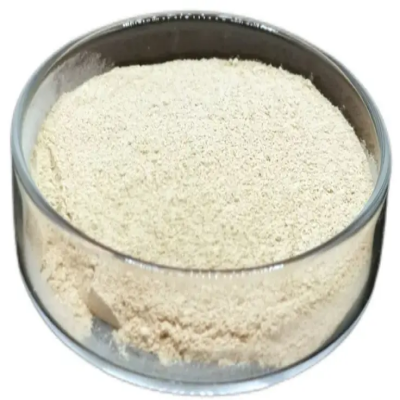
Delamanid CAS:681492-22-8
Delamanid is an antimycobacterial medication classified as a diarylquinoline derivative, primarily used in the treatment of multidrug-resistant tuberculosis (MDR-TB). It works by targeting mycobacterial ATP synthase, leading to the disruption of energy production in tuberculosis-causing bacteria. Delamanid is considered a second-line agent for MDR-TB cases where resistance to conventional first-line drugs is present. This medication is available in tablet form and is often prescribed as part of a comprehensive regimen to combat drug-resistant tuberculosis infections.
-
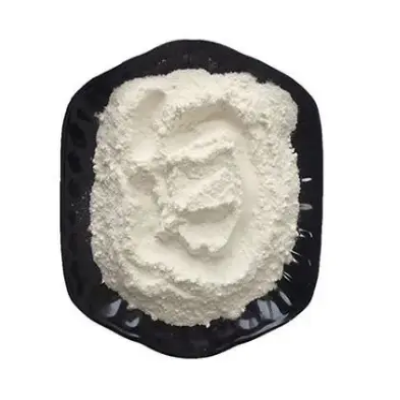
Doxycycline hydrochloride CAS:10592-13-9
Doxycycline hydrochloride is a tetracycline antibiotic commonly prescribed to treat bacterial infections. It is highly effective against a broad spectrum of Gram-positive and Gram-negative bacteria, as well as certain protozoa. Doxycycline hydrochloride works by inhibiting protein synthesis in bacteria, leading to the disruption of bacterial growth and eventual elimination. This medication is available in various forms, including capsules, tablets, and oral suspensions, for ease of administration.
-
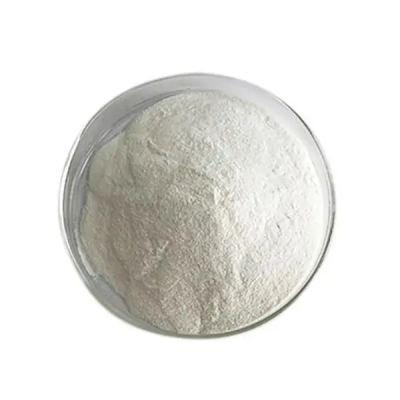
Daunorubicin hydrochloride CAS:23541-50-6
Daunorubicin hydrochloride is a chemotherapy medication classified as an anthracycline antibiotic, commonly used in the treatment of various types of cancer. It works by inhibiting DNA and RNA synthesis in cancer cells, leading to cell death. Daunorubicin hydrochloride is particularly effective against leukemia, lymphoma, and certain types of solid tumors. This medication is administered intravenously and is often used in combination with other chemotherapy drugs to enhance its anticancer effects.
-
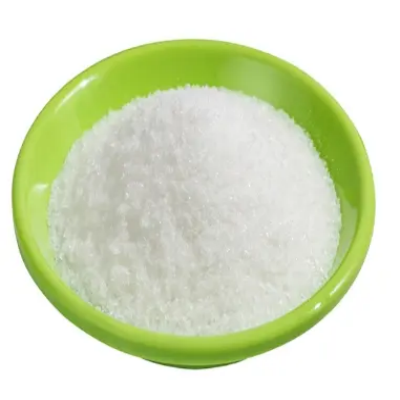
Enduracidin hydrochloride (Enramycin) CAS:11115-82-5
Enduracidin hydrochloride, commonly known by its trade name Enramycin, is a veterinary antibiotic used in the livestock industry. It belongs to the class of lipopeptide antibiotics and is primarily effective against Gram-positive bacteria, including Clostridium perfringens. Enramycin functions by disrupting bacterial cell wall synthesis, leading to bacterial cell death. This medication is available in various formulations for oral administration to poultry and swine.
-
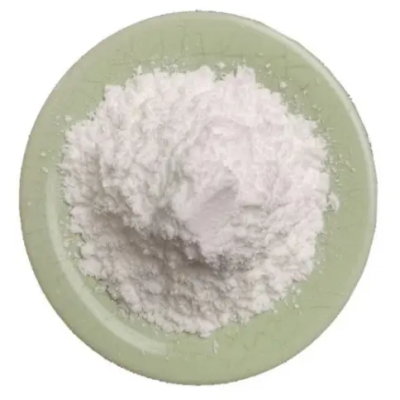
Danofloxacin CAS:112398-08-0
Danofloxacin is a fluoroquinolone antibiotic that exhibits broad-spectrum antimicrobial activity against both gram-positive and gram-negative bacteria. It is a synthetic derivative of nalidixic acid and is commonly used in veterinary medicine for the treatment of bacterial infections in animals. Danofloxacin works by inhibiting the enzymes responsible for DNA replication and transcription in bacteria, leading to bacterial cell death. This antibiotic is available in various formulations such as oral tablets, injectable solutions, and oral suspensions for convenient administration to animals.
-
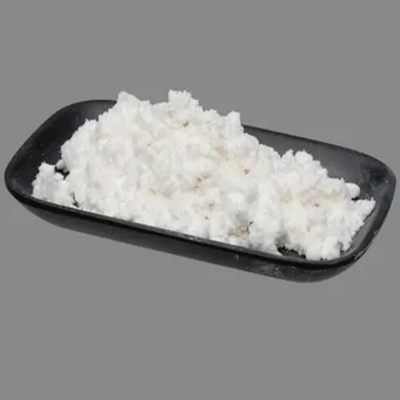
Danofloxacin mesylate CAS:119478-55-6
Danofloxacin mesylate is a veterinary antibiotic belonging to the fluoroquinolone class of drugs. It is a potent antimicrobial agent primarily used in the treatment of bacterial infections in animals. Danofloxacin mesylate is known for its broad spectrum of activity against both Gram-positive and Gram-negative bacteria. It works by inhibiting bacterial DNA gyrase, leading to the disruption of DNA replication and subsequent bacterial cell death. This medication is available in various formulations such as injectables, oral solutions, and tablets for easy administration in veterinary practice.
-
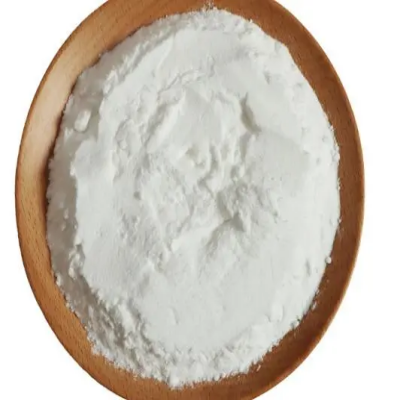
Copper Gluconate CAS:527-09-3
Copper gluconate is a mineral supplement that provides a bioavailable form of copper, an essential trace element that plays a key role in various physiological processes. This compound is commonly used in dietary supplements and pharmaceuticals to support overall health and well-being. With its excellent bioavailability and stability, copper gluconate offers an effective way to ensure adequate copper intake for individuals with dietary deficiencies or specific health needs.