-
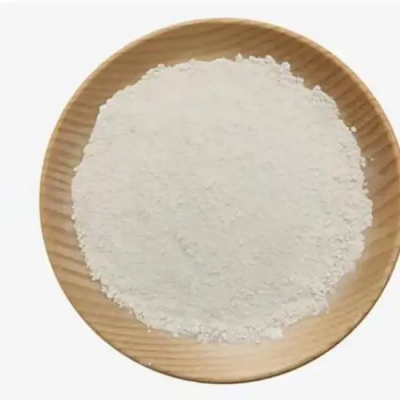
D-Cycloserine CAS:68-41-7
D-Cycloserine is an antibiotic medication that belongs to the class of drugs known as cyclic amino acids. It is structurally similar to the amino acid D-alanine and acts as a competitive inhibitor of enzymes involved in cell wall biosynthesis in bacteria. D-Cycloserine is primarily used in the treatment of tuberculosis, specifically for multidrug-resistant strains or cases where other medications have failed. This antibiotic can be administered orally and is often used in combination with other anti-tuberculosis drugs to improve treatment outcomes.
-
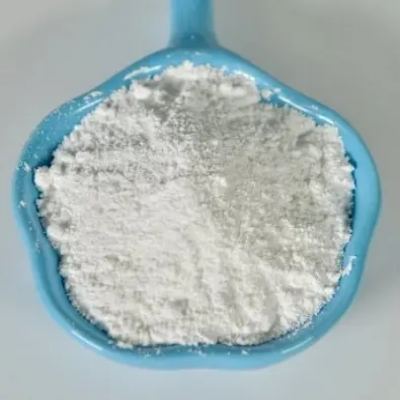
Doripenem hydrate CAS:364622-82-2
Doripenem hydrate is a formulation of the broad-spectrum carbapenem antibiotic doripenem combined with water molecules. It belongs to the beta-lactam class of antibiotics and is structurally similar to imipenem and meropenem. Doripenem hydrate is used in healthcare settings for the treatment of various severe bacterial infections due to its potent activity against both Gram-positive and Gram-negative bacteria. This medication works by inhibiting bacterial cell wall synthesis, leading to bacterial cell death.
-
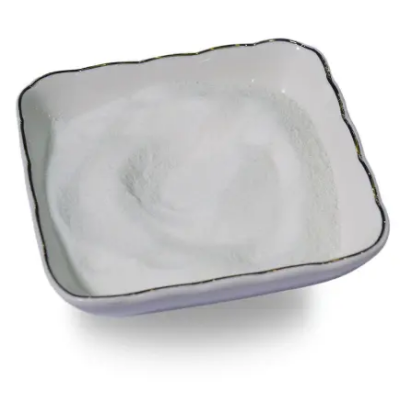
Daptomycin CAS:103060-53-3
Daptomycin is an antibiotic medication belonging to the lipopeptide class, known for its bactericidal activity against a variety of Gram-positive bacteria. It works by disrupting bacterial cell membrane function, leading to cell death. Daptomycin is commonly used in the treatment of complicated skin and soft tissue infections caused by susceptible organisms, as well as bloodstream infections like bacteremia and infective endocarditis. This antibiotic is available in injectable form and is often prescribed in hospital settings for severe infections where other antibiotics may be less effective due to resistance or allergies.
-
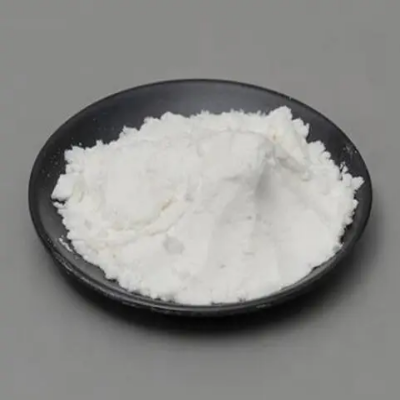
Dicloxacillin sodium monohydrate CAS:13412-64-1
Dicloxacillin sodium monohydrate is a semisynthetic penicillin antibiotic commonly used to treat bacterial infections. It belongs to the class of beta-lactam antibiotics and is known for its activity against certain Gram-positive bacteria, particularly Staphylococcus species. Dicloxacillin works by inhibiting bacterial cell wall synthesis, leading to the disruption of bacterial growth and eventual cell death. This medication is available in various formulations such as capsules and oral suspensions for convenient administration in clinical practice.
-
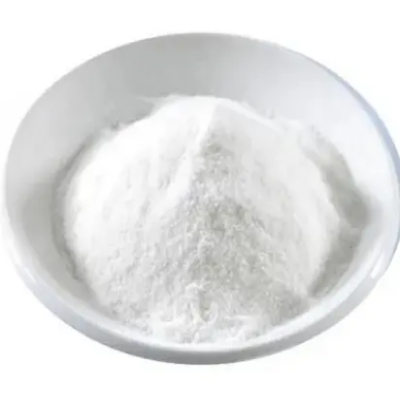
Cloxacillin sodium salt CAS:642-78-4
Cloxacillin sodium salt is a semi-synthetic antibiotic that belongs to the penicillin group. It is derived from penicillin V and is known for its bactericidal activity against a wide range of gram-positive bacteria. Cloxacillin sodium salt is commonly used in the treatment of various bacterial infections, including skin and soft tissue infections, respiratory tract infections, and bone infections. It works by inhibiting the synthesis of bacterial cell walls, leading to bacterial cell death. This antibiotic is available in different forms such as capsules, tablets, and injections for oral or parenteral administration.
-
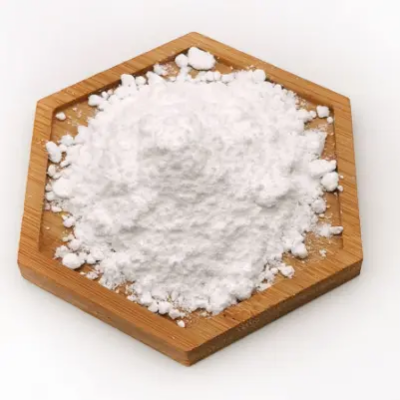
Clindamycin phosphate CAS:24729-96-2
Clindamycin phosphate is a topical antibiotic used to treat acne vulgaris and other skin infections. It belongs to the lincosamide class of antibiotics and works by inhibiting bacterial protein synthesis, effectively targeting Propionibacterium acnes, a common acne-causing bacterium. Clindamycin phosphate helps reduce inflammation, control bacterial growth, and improve overall skin condition.
-
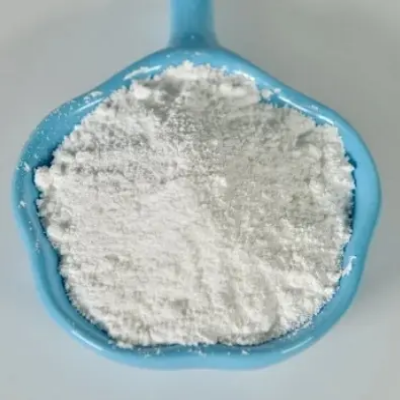
Clindamycin hydrochloride CAS:21462-39-5
Clindamycin hydrochloride is a semisynthetic antibiotic derived from lincomycin, belonging to the lincosamide class. It is used to treat bacterial infections by inhibiting protein synthesis in susceptible bacteria, thereby preventing their growth and spread. Clindamycin hydrochloride is effective against a variety of Gram-positive organisms, including Staphylococcus, Streptococcus, and anaerobic bacteria.
-
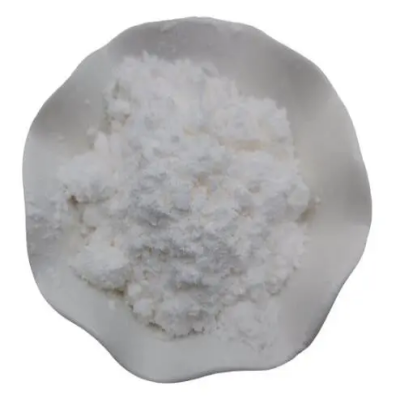
Colistin Sulfate CAS:1264-72-8
Colistin sulfate is an antibiotic belonging to the polymyxin class, known for its bactericidal activity against gram-negative bacteria. It is derived from Bacillus polymyxa and is commonly used in various pharmaceutical formulations for the treatment of severe infections caused by multidrug-resistant organisms. Colistin sulfate disrupts bacterial cell membranes, leading to cell death, and is available in forms suitable for intravenous, intramuscular, or topical administration. This antibiotic is a critical therapeutic option for infections where other antibiotics may be ineffective due to resistance patterns.
-
6,9-Diamino-2-ethoxyacridine lactate monohydrate CAS:6402-23-9
6,9-Diamino-2-ethoxyacridine lactate monohydrate is a pharmaceutical compound with broad antimicrobial properties. It belongs to the acridine class of chemicals and is commonly used in topical preparations for its antibacterial and antifungal effects. This compound is known for its ability to inhibit the growth of various bacteria and fungi, making it a valuable ingredient in dermatological products targeting skin infections. 6,9-Diamino-2-ethoxyacridine lactate monohydrate is often formulated as a cream, ointment, or solution for external use to treat a range of skin conditions.
-
Colistin sodium methanesulfonate from bacillus colistinus CAS:8068-28-8
Colistin sodium methanesulfonate is a pharmaceutical formulation derived from the bacterium Bacillus colistinus. It belongs to the polymyxin class of antibiotics and is used for its potent antibacterial properties against gram-negative bacteria. Colistin sodium methanesulfonate is a prodrug form of colistin, which is commonly administered intravenously or via inhalation for the treatment of severe infections caused by multidrug-resistant organisms. This antibiotic works by disrupting the integrity of bacterial cell membranes, leading to cell death. Colistin sodium methanesulfonate is an essential therapeutic option for challenging infections where other antibiotics may be ineffective.
-
Cloxacillin sodium salt monohydrate CAS:7081-44-9
Cloxacillin sodium salt monohydrate is a specific form of the antibiotic cloxacillin that contains a single molecule of water within its crystal structure. This formulation is commonly used in pharmaceutical preparations for oral, intravenous, or intramuscular administration. Cloxacillin sodium salt monohydrate has bactericidal properties against a variety of gram-positive bacteria, making it effective in treating infections caused by susceptible organisms. It works by interfering with bacterial cell wall synthesis, ultimately leading to bacterial cell death. This medication is available in various dosage forms such as capsules, tablets, and injections.
-
Clinafloxacin CAS:105956-97-6
Clinafloxacin is a fluoroquinolone antibiotic with potent antibacterial properties. It is used to treat various bacterial infections by inhibiting DNA replication in susceptible bacteria, thereby halting their growth and spread. Clinafloxacin is effective against a wide range of Gram-positive and Gram-negative bacteria, making it valuable in the management of respiratory, skin, urinary, and soft tissue infections.