-

2-Methoxyethylamine CAS:109-85-3
2-Methoxyethylamine, also known as ethylene glycol monomethyl ether amine, is a chemical compound with the formula C3H9NO. It is a clear, colorless liquid used in various organic synthesis processes and industrial applications due to its reactivity and functional properties.
-
3,3′-(Ethylenedioxy)dipropiononitrile CAS:3386-87-6
3,3′-(Ethylenedioxy)dipropiononitrile is a chemical compound with the molecular formula C11H16N2O4. It is a white crystalline solid used in various organic synthesis processes and industrial applications due to its unique structure and reactivity.
-
![1,8-Diazabicyclo[5.4.0]undec-7-ene CAS:6674-22-2](https://cdn.globalso.com/xindaobiotech/1ZNB2ZF342ZWRNG153.png)
1,8-Diazabicyclo[5.4.0]undec-7-ene CAS:6674-22-2
1,8-Diazabicyclo[5.4.0]undec-7-ene, also known as DBU, is a bicyclic chemical compound with the molecular formula C9H16N2. It is a colorless liquid with a fishy odor and is widely used as a strong organic base in various chemical reactions. DBU is known for its ability to catalyze transformations in organic synthesis and polymer chemistry.
-
S-acetyl-L-glutathione CAS:3054-47-5
S-acetyl-L-glutathione is a modified form of glutathione, a powerful antioxidant naturally produced in the body. The acetylation of glutathione enhances its stability and bioavailability, allowing for improved absorption and utilization in various physiological processes. S-acetyl-L-glutathione serves as a valuable supplement to support antioxidant defenses and promote overall health and well-being.
-
Clarithromycin CAS:81103-11-9
Clarithromycin is a macrolide antibiotic used to treat various bacterial infections. It works by inhibiting protein synthesis in bacteria, thereby preventing their growth and replication. Clarithromycin is effective against a wide range of Gram-positive and some Gram-negative bacteria, making it a valuable option for respiratory tract infections, skin infections, and Helicobacter pylori eradication in gastrointestinal conditions.
-
Ciprofloxacin CAS:85721-33-1
Ciprofloxacin is a broad-spectrum fluoroquinolone antibiotic used to treat various bacterial infections. It works by inhibiting the enzymes responsible for DNA replication in bacteria, thereby stopping their growth and spread. Ciprofloxacin is effective against a wide range of Gram-negative and some Gram-positive bacteria, making it a versatile choice for treating respiratory, urinary, skin, and gastrointestinal infections.
-
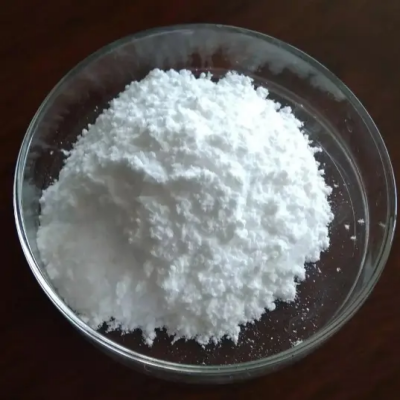
Ciprofloxacin hydrochloride CAS:86393-32-0
Ciprofloxacin hydrochloride is a salt form of ciprofloxacin, a potent fluoroquinolone antibiotic used to treat a variety of bacterial infections. It functions by inhibiting the enzymes responsible for DNA replication in bacteria, thereby halting their growth and spread. Ciprofloxacin hydrochloride is effective against a broad spectrum of bacteria, making it valuable in managing respiratory, urinary, skin, and gastrointestinal infections.
-
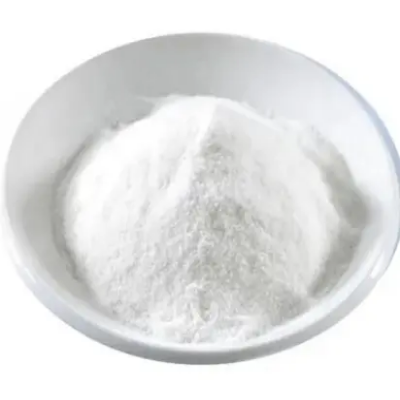
Chlorhexidine diacetate CAS:56-95-1
Chlorhexidine diacetate is a salt form of chlorhexidine, a potent antiseptic and disinfectant widely used in healthcare, personal care, and veterinary applications. It possesses strong antimicrobial properties against bacteria, fungi, and viruses, making it effective in preventing infections and controlling microbial growth.
-
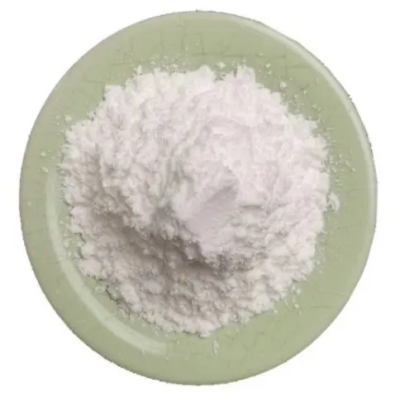
Chloramine T trihydrate CAS:7080-50-4
Chloramine T trihydrate is a stable, crystalline compound with antimicrobial properties commonly used as a disinfectant and antiseptic agent. It belongs to the class of chloramines and is effective in controlling bacterial growth and eliminating pathogens in various applications.
-
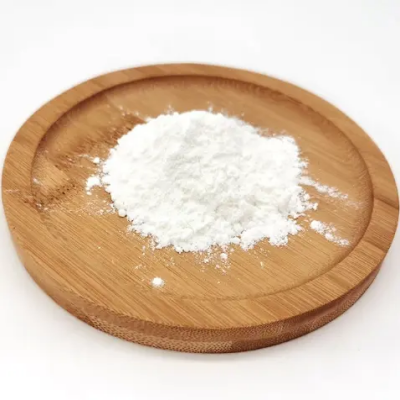
Cetrimide, Mytab (Tetradecyltrimethylammonium bromide) CAS:1119-97-7
Cetrimide, marketed as Mytab, is a quaternary ammonium compound containing tetradecyltrimethylammonium bromide. It is commonly used as a surfactant and antiseptic agent in various pharmaceutical and personal care products. Cetrimide exhibits antimicrobial properties that make it effective in combating bacteria and fungi.
-

Cephradine hydrate CAS:38821-53-3
Cephradine hydrate is a cephalosporin antibiotic used to treat bacterial infections. It belongs to the first-generation cephalosporin class and works by interfering with the synthesis of bacterial cell walls, leading to bacterial cell death. Cephradine hydrate is available in various forms, such as capsules and oral suspensions, for convenient administration.
-
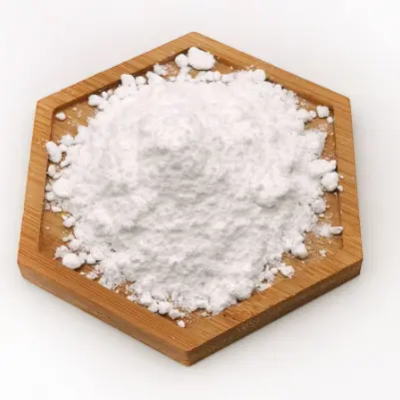
Clavulanic acid potassium salt (Potassium Clavulanate)/Avicel (1:1) CAS:61177-45-5
Clavulanic acid potassium salt, also known as potassium clavulanate, is a beta-lactamase inhibitor that enhances the activity of certain antibiotics. It is often combined with antibiotics such as amoxicillin to enhance their effectiveness against bacteria by inhibiting bacterial resistance mechanisms.

