-
Chlortetracycline hydrochloride CAS:64-72-2
Chlortetracycline hydrochloride is a broad-spectrum antibiotic belonging to the tetracycline class, commonly used in veterinary medicine. It exhibits bacteriostatic properties against a wide range of Gram-positive and Gram-negative bacteria, making it effective in treating various infections in animals.
-
Chlorhexidine CAS:55-56-1
Chlorhexidine is a broad-spectrum antiseptic and disinfectant commonly used in healthcare, personal hygiene, and veterinary settings. It exhibits potent antimicrobial properties against various bacteria, fungi, and viruses, making it effective in preventing infections and controlling microbial growth.
-
Chloramphenicol palmitate CAS:530-43-8
Chloramphenicol palmitate is a prodrug of the antibiotic chloramphenicol, commonly used to treat bacterial infections. This formulation enhances the lipophilicity and absorption of chloramphenicol when taken orally, improving its bioavailability and therapeutic efficacy.
-
Cinoxacin CAS:28657-80-9
Cinoxacin is a synthetic antibacterial agent belonging to the quinolone class of antibiotics. It is primarily used to treat urinary tract infections caused by susceptible bacteria. Cinoxacin works by inhibiting bacterial DNA synthesis, thereby preventing bacterial replication and growth.
-
Cephalothin sodium salt CAS:58-71-9
Cephalothin sodium salt is a first-generation cephalosporin antibiotic used to treat bacterial infections. It is derived from cephalosporin C and works by inhibiting the synthesis of bacterial cell walls, leading to bacterial cell death. Cephalothin sodium salt is available in injectable form and is commonly used in healthcare settings for its effectiveness against a variety of susceptible bacteria.
-
Ceftriaxone sodium salt CAS:104376-79-6
Ceftriaxone sodium salt is a formulation of the antibiotic ceftriaxone combined with sodium for improved stability and solubility. As a third-generation cephalosporin antibiotic, ceftriaxone sodium salt exhibits potent antibacterial activity against a wide range of Gram-positive and Gram-negative bacteria. It is commonly used in clinical settings for treating various bacterial infections due to its effectiveness and broad-spectrum coverage.
-
Cephalosporin C sodium salt CAS:51762-04-0
Cephalosporin C sodium salt is a derivative of the natural cephalosporin C antibiotic produced by fungi and bacteria. It is the precursor to various semisynthetic cephalosporin antibiotics used in clinical practice. Cephalosporin C sodium salt serves as a valuable starting material for the synthesis of cephalosporin antibiotics with enhanced potency and spectrum of activity against bacterial infections. Its sodium salt form enhances solubility and stability, making it suitable for pharmaceutical applications.
-
Cephalexin hydrate CAS:15686-71-2
Cephalexin hydrate is a crystalline form of the antibiotic cephalexin, which belongs to the cephalosporin class of antibiotics. It is commonly prescribed to treat bacterial infections caused by susceptible microorganisms. Cephalexin hydrate works by interfering with the synthesis of bacterial cell walls, leading to the death of the bacteria. This medication is available in various forms, including capsules and oral suspension, making it convenient for oral administration.
-
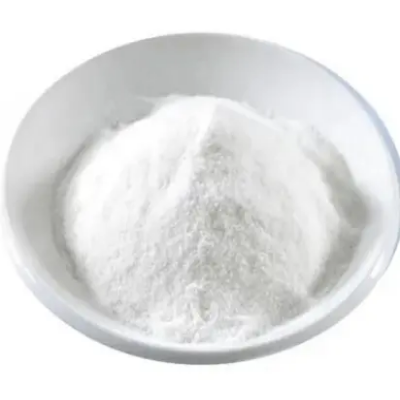
Cefuroxime sodium salt CAS:56238-63-2
Cefuroxime sodium salt is a sterile, crystalline powder form of the antibiotic cefuroxime that is used for intravenous administration. It belongs to the cephalosporin class of antibiotics and works by interfering with the synthesis of bacterial cell walls, ultimately leading to the death of susceptible bacteria. Cefuroxime sodium salt is commonly used in hospital settings for the treatment of severe infections where intravenous administration is necessary.
-
Cefuroxime CAS:55268-75-2
Cefuroxime is a second-generation cephalosporin antibiotic that is commonly used to treat bacterial infections. It works by inhibiting the growth of bacteria in the body, helping to alleviate symptoms of various infections. Cefuroxime is available in different forms such as tablets, capsules, and injections. It is prescribed by healthcare providers to treat a wide range of conditions, including respiratory tract infections, skin infections, urinary tract infections, and more. Cefuroxime is generally well-tolerated, but like all antibiotics, it may cause side effects such as diarrhea, nausea, and allergic reactions in some individuals.
-
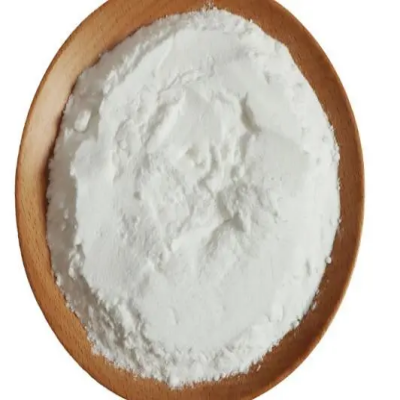
Ceftriaxone sodium CAS:74578-69-1
Ceftriaxone sodium is a formulation of the third-generation cephalosporin antibiotic ceftriaxone combined with sodium for enhanced stability and solubility. It is widely used in clinical practice for its potent antibacterial activity against a broad spectrum of Gram-positive and Gram-negative bacteria. Ceftriaxone sodium is valued for its effectiveness in treating severe bacterial infections that are resistant to other antibiotics.
-
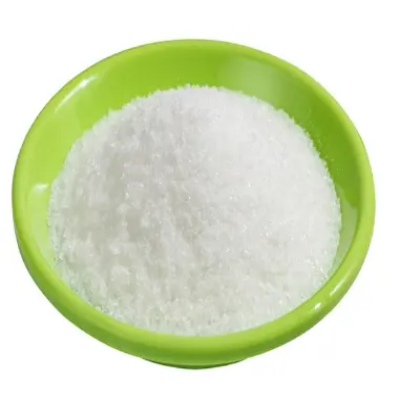
Ceftizoxime sodium salt CAS:68401-82-1
Ceftizoxime sodium salt is a cephalosporin antibiotic formulation that combines ceftizoxime with sodium for improved stability and solubility. It belongs to the third-generation cephalosporin class of antibiotics known for their broad-spectrum activity against various bacterial infections. Ceftizoxime sodium salt is utilized in clinical settings for its effectiveness against both Gram-negative and some Gram-positive bacteria, making it valuable for treating a range of infectious diseases.

