-
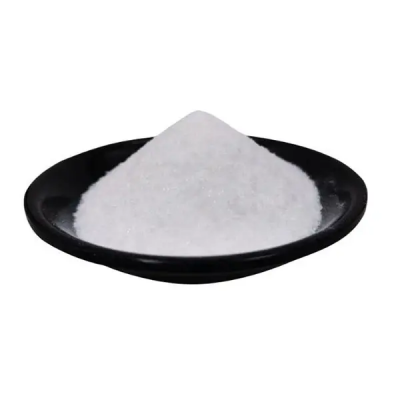
2-Hydroxyacetophenone CAS:118-93-4
2-Hydroxyacetophenone, also known as 2-Acetylphenol, is a chemical compound with the molecular formula C8H8O2. This colorless solid is characterized by its aromatic properties and hydroxyl group attached to the phenyl ring. It serves as a key intermediate in organic synthesis processes, contributing to the preparation of various compounds due to its reactivity and structural significance.
-
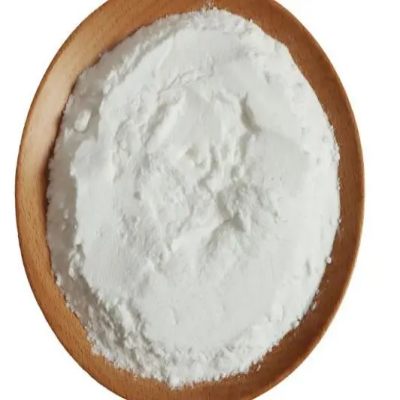
2-Amino-5-chloro-2′-fluorobenzophenone CAS:784-38-3
2-Amino-5-chloro-2′-fluorobenzophenone, with the molecular formula C13H9ClFNO, is a chemical compound known for its aromatic structure and chlorine-fluorine substitution pattern. This solid compound acts as an important intermediate in organic synthesis processes due to its reactivity and structural significance.
-
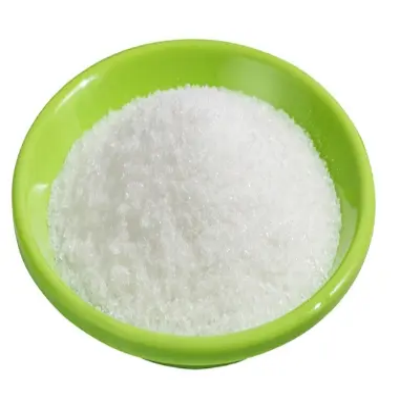
2-Amino-3-nitrobenzoicacid CAS:606-18-8
2-Amino-3-nitrobenzoic acid is a chemical compound with the molecular formula C7H6N2O4. It belongs to the class of benzoic acids and features an amino group and a nitro group attached to the benzene ring. This compound exhibits unique reactivity and properties due to its specific chemical structure.
-
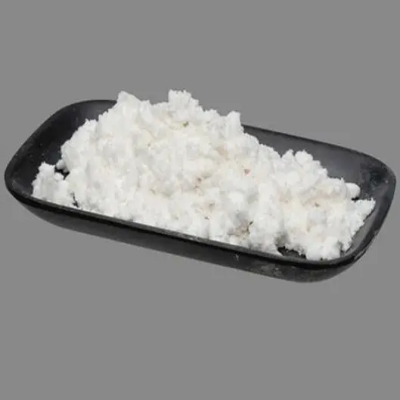
2-Amino-2′,5-dichlorobenzophenone CAS:2958-36-3
2-Amino-2′,5-dichlorobenzophenone, with the molecular formula C13H9Cl2NO, is a chemical compound known for its dichloro-substituted benzophenone structure. This solid compound is also referred to as 2-Amino-2′,5-dichloro-1,3-diphenylpropan-1-one. It serves as a key intermediate in organic synthesis processes due to its aromatic properties and structural significance.
-
2-Hydroxy-1,4-naphthoquinone CAS:83-72-7
2-Hydroxy-1,4-naphthoquinone is a chemical compound with the molecular formula C10H6O3. It belongs to the class of naphthoquinones and features a hydroxyl group attached to the naphthalene ring. This compound exhibits distinctive chemical properties due to its specific structural arrangement.
-
2-Chloro-3-amino-4-methylpyridine CAS:133627-45-9
2-Chloro-3-amino-4-methylpyridine is a chemical compound with the molecular formula C6H7ClN2. It belongs to the class of chloroaminoalkylpyridines and features a chlorine atom, an amino group, and a methyl group attached to the pyridine ring. This compound exhibits unique reactivity and properties due to its specific chemical structure.
-
2-Amino-3-methylpyridine CAS:1603-40-3
2-Amino-3-methylpyridine, with the molecular formula C6H8N2, is a chemical compound also known as 2-amino-3-picoline. This colorless liquid serves as a key intermediate in organic synthesis processes. It is characterized by its aromatic properties and functional versatility, making it valuable for the preparation of various compounds in both laboratory and industrial settings.
-

Amoxicillin CAS:26787-78-0
Amoxicillin is a widely prescribed broad-spectrum antibiotic belonging to the penicillin class. It is effective against a diverse range of bacterial infections, including respiratory tract infections, urinary tract infections, and skin infections. Amoxicillin works by inhibiting bacterial cell wall synthesis, making it a valuable medication for treating common bacterial illnesses.
-
Tea saponin CAS:8047-15-2
Tea saponin is a natural surfactant derived from the seeds of the tea plant (Camellia sinensis). It is widely used in agricultural, pharmaceutical, and household products due to its ability to act as an emulsifier, foaming agent, and pesticide synergist. This eco-friendly compound has gained attention for its biodegradability and low toxicity, making it a favorable ingredient in various formulations targeting pest control, drug delivery systems, and industrial applications.
-
Trehalose CAS:99-20-7
Trehalose is a naturally occurring disaccharide found in numerous organisms, including bacteria, fungi, plants, and invertebrates. This non-reducing sugar has gained attention for its exceptional ability to protect biological structures from desiccation, heat, and other stressors. Trehalose is commonly used in various industries, including food, pharmaceuticals, and cosmetics, where its unique properties contribute to enhanced stability, preservation, and protection of sensitive substances.
-
α-Arbutin CAS:84380-01-8
α-Arbutin is a naturally occurring compound derived from various plant sources, such as bearberry, cranberries, and blueberries. It is a skin-brightening agent known for its ability to inhibit melanin production, making it a popular ingredient in skincare products targeting hyperpigmentation, dark spots, and uneven skin tone. α-Arbutin is considered a safer alternative to hydroquinone, often used in formulations to promote a more luminous and even complexion.
-
Ubidecarenone CAS:303-98-0
Ubidecarenone, also known as Coenzyme Q10 or CoQ10, is a powerful antioxidant naturally produced by the body and found in every cell. It plays a vital role in cellular energy production and serves as a potent defense against oxidative stress. Ubidecarenone has gained popularity in various health and skincare products due to its anti-aging properties and ability to support overall skin health.

