-

Tetraethylorthocarbonate CAS:78-09-1
Tetraethylorthocarbonate is an organic compound with a molecular structure containing four ethyl groups attached to the ortho position of a carbonate group. It is commonly used as a reagent and intermediate in organic synthesis due to its versatile reactivity and functional group compatibility. This compound plays a significant role in the preparation of various fine chemicals and pharmaceutical intermediates.
-
![6,6-Dimethyl-3-oxabicyclo[3.1.0]hexane-2,4-dione CAS:67911-21-1](https://cdn.globalso.com/xindaobiotech/B7BHTM43TKFHZ0EB3TY45.png)
6,6-Dimethyl-3-oxabicyclo[3.1.0]hexane-2,4-dione CAS:67911-21-1
6,6-Dimethyl-3-oxabicyclo[3.1.0]hexane-2,4-dione is a chemical compound with the molecular formula C7H8O3. It belongs to the class of bicyclic compounds and exhibits unique structural features. This compound is known for its potential applications in organic synthesis and as a building block for the preparation of diverse functionalized molecules due to its intriguing ring system.
-

5-bromo-1-penten CAS:1119-51-3
5-Bromo-1-pentene, with the molecular formula C5H9Br, is an organic compound belonging to the class of pentenes and containing a bromine substituent on the fifth carbon of the pentene chain. This compound possesses unique reactivity and structural properties, making it valuable in various chemical transformations and organic synthesis. Known for its potential as a versatile building block, 5-bromo-1-pentene serves as a key intermediate in the preparation of diverse compounds with specific functional groups and stereochemical characteristics.
-
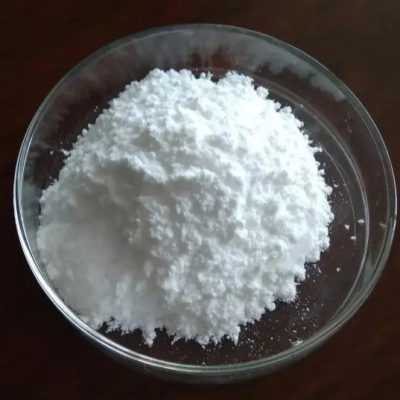
4-Hydroxyphenethylalcohol CAS:501-94-0
4-Hydroxyphenethylalcohol, with the chemical formula C8H10O2, is an organic compound containing a hydroxyl group attached to a phenethyl moiety. This compound exhibits aromatic and alcohol properties, making it valuable in various chemical applications and organic transformations. Known for its structural versatility, 4-Hydroxyphenethylalcohol serves as a key intermediate in the synthesis of diverse compounds with specific functional groups.
-
4-chlorobutytonitrile CAS:628-20-6
4-Chlorobutyronitrile is a chemical compound with diverse industrial applications. It is commonly used as an intermediate in the synthesis of pharmaceuticals, agrochemicals, and other fine chemicals. This compound plays a crucial role in various organic reactions and is valued for its contribution to the production of different chemical substances.
-
ortho-n-ValericAcidTriethylEs CAS:919-29-9
ortho-n-Valeric Acid Triethyl Ester is an organic compound derived from ortho-n-valeric acid and triethyl ester. It is utilized as a reagent and intermediate in organic synthesis processes due to its chemical properties and functional group compatibility. This compound plays a crucial role in the production of various chemicals and pharmaceutical intermediates.
-
Chloromethyl)dimethylchlorosilane CAS:1719-57-9
Chloromethyl)dimethylchlorosilane, with the chemical formula C3H9Cl2Si, is a versatile organosilicon compound. It is part of the chlorosilane family and is characterized by its reactivity and functional group compatibility. This compound is widely employed in various chemical transformations and as a precursor for the synthesis of organosilicon polymers and other silicon-based materials due to its unique chemical properties.
-

L-2-Aminobutyricacid CAS:1492-24-6
L-2-Aminobutyric acid is a naturally occurring amino acid with the molecular formula C4H9NO2. It belongs to the family of proteinogenic amino acids and is an essential component in various biological processes. This compound is commonly found in proteins and peptides, contributing to their structural and functional properties. L-2-Aminobutyric acid also plays a role in neurotransmission and metabolic pathways within the human body.
-
N,N’-Disuccinimidylcarbonate CAS:74124-79-1
N,N’-Disuccinimidylcarbonate is a chemical compound belonging to the class of carbonates. It is widely utilized as a crosslinking agent and coupling reagent in bioconjugation and peptide chemistry. This compound is valued for its ability to efficiently modify biomolecules and surfaces, making it a vital tool in the development of advanced materials and biomedical research applications.
-
4-chloro-1-butanol CAS:928-51-8
4-Chloro-1-butanol is an organic compound with a molecular structure containing a chloro group and a hydroxyl group. It is commonly employed as a versatile building block in organic synthesis due to its reactivity and functional group compatibility. This compound is utilized in the preparation of various fine chemicals and pharmaceutical intermediates, making it an essential component in chemical manufacturing processes.
-
tert-Butyldiphenylchlorosilane CAS:58479-61-1
tert-Butyldiphenylchlorosilane is a chemical compound that belongs to the class of organosilicon compounds. It is commonly used as a reagent in various organic synthesis reactions due to its unique properties and reactivity. tert-Butyldiphenylchlorosilane plays a crucial role in the preparation of silicon-containing polymers and materials.
-
2-Bromopropionylchloride CAS:7148-74-5
2-Bromopropionyl chloride, with the chemical formula C3H4BrClO, is an organic compound containing a bromine atom and an acyl chloride functional group. This compound exhibits unique reactivity and structural properties, making it a valuable intermediate in various chemical transformations and synthetic pathways. Known for its potential as a versatile building block, 2-Bromopropionyl chloride serves as a key precursor in the preparation of diverse compounds with specific functionalities and applications in organic chemistry.