-
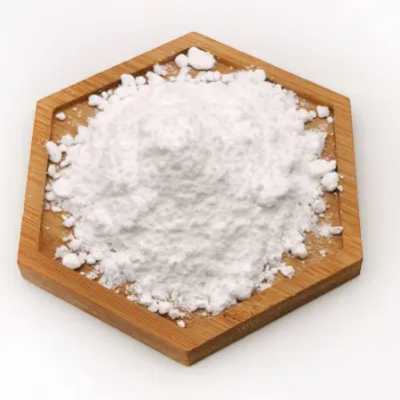
2-Methoxyphenylaceticacid CAS:93-25-4
2-Methoxyphenylacetic acid is a chemical compound known for its properties and applications in various industries due to its unique characteristics.
-
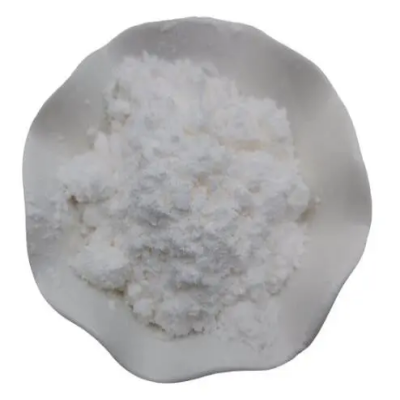
2-(4-Bromomethyl)phenylpropionicacid CAS:111128-12-2
2-(4-Bromomethyl)phenylpropionicacid is a chemical compound with diverse applications in various industries, known for its unique properties and versatile nature.
-

2-(2-thienyl)ethyltoluene-p-sulphonate CAS:40412-06-4
2-(2-thienyl)ethyltoluene-p-sulphonate, also known as TES, is a chemical compound with diverse applications due to its unique properties and versatile nature.
-
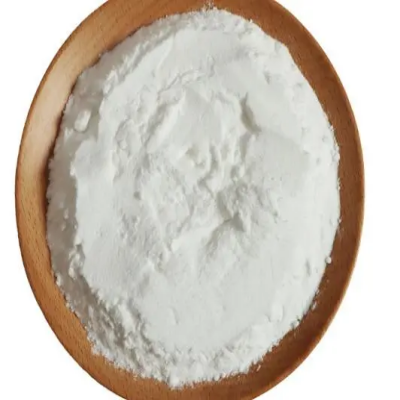
4-(2-Aminoethyl)benzenesulfonamide CAS:35303-76-5
4-(2-Aminoethyl)benzenesulfonamide, also known as AEBSF, is a chemical compound widely used in diverse applications due to its unique properties.
-
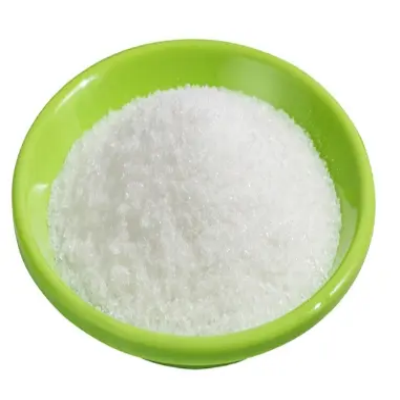
4-(diethylamino)but-2-ynylAceate CAS:22396-77-6
4-(diethylamino)but-2-ynylAcetate is a chemical compound known for its versatile applications in different industries, owing to its unique properties and diverse functionalities.
-
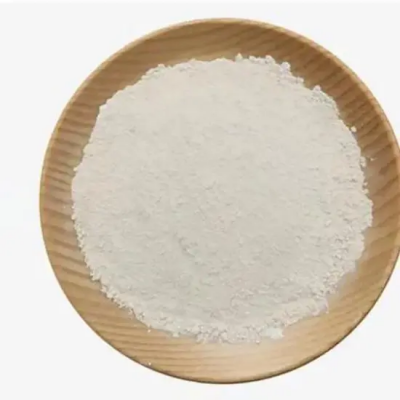
1,3-dimethylurea CAS:96-31-1
1,3-dimethylurea is an organic compound with the chemical formula C4H8N2O. It exists as a white crystalline solid and belongs to the class of urea derivatives. This compound is recognized for its involvement in various chemical reactions and synthetic processes, making it a valuable building block in organic chemistry.
-

1,1,3,3-TetramethylGuanidine CAS:80-70-6
1,1,3,3-TetramethylGuanidine is a chemical compound with the molecular formula C6H15N3. It is a colorless or pale yellow liquid and belongs to the class of organic guanidine derivatives. This compound is known for its use as a strong, non-nucleophilic base in various organic reactions and synthesis processes. 1,1,3,3-TetramethylGuanidine is widely employed in organic chemistry laboratories and industrial settings due to its unique basic properties.
-

3-Dimethylaminopropylchloridehydrochloride CAS:5407-04-5
3-Dimethylaminopropylchloridehydrochloride, also known as N,N-dimethyl-1,3-propanediamine hydrochloride, is a quaternary ammonium salt with the molecular formula C5H14Cl2N. It exists as a crystalline powder and is renowned for its utility as a versatile intermediate in organic synthesis, pharmaceutical research, and chemical transformations due to its unique structural properties and reactivity.
-
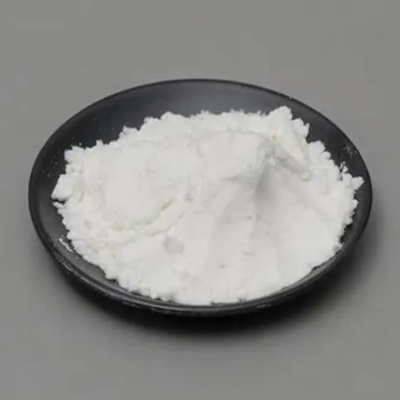
1-Phenyl-3-Methyl-5-Pyrazolone CAS:89-25-8
1-Phenyl-3-Methyl-5-Pyrazolone, also known as PMP, is a chemical compound with the molecular formula C10H10N2O. It appears as a white to slightly yellow crystalline solid and belongs to the class of pyrazolone derivatives. This compound is recognized for its versatile reactivity and participation in various organic syntheses. 1-Phenyl-3-Methyl-5-Pyrazolone is commonly employed as a reagent in organic chemistry laboratories for its utility in diverse reactions.
-

3-O-Ethyl-L-ascorbic acid CAS:86404-04-8
3-O-Ethyl-L-ascorbic acid is a stable derivative of vitamin C, featuring an ethyl group attached to the 3rd carbon position of the ascorbic acid molecule. This compound exhibits excellent stability and solubility in both water and oil, making it highly suitable for cosmetic and skincare formulations. 3-O-Ethyl-L-ascorbic acid retains the antioxidant properties of vitamin C and is renowned for its ability to brighten skin tone, reduce the appearance of dark spots, and promote collagen production. Its enhanced stability compared to pure vitamin C offers extended shelf life and improved efficacy, making it a valuable ingredient in various skincare and beauty products.
-

Activated Coconut Shell Charcoal 1000 Mesh CAS:68647-86-9
Activated Coconut Shell Charcoal in 1000 mesh form is a high-quality, ultrafine powder derived from coconut shells through a process of activation, resulting in a highly porous and adsorbent material. With an extensive internal surface area, this fine mesh charcoal exhibits exceptional adsorption properties, making it widely applicable across various industries. The activation process enhances its adsorptive capacity, allowing it to effectively capture and remove impurities, contaminants, and undesirable substances from diverse mediums. Its fine particle size and superior adsorption make it an ideal choice for use in pharmaceutical, cosmetic, environmental, and industrial applications.
-
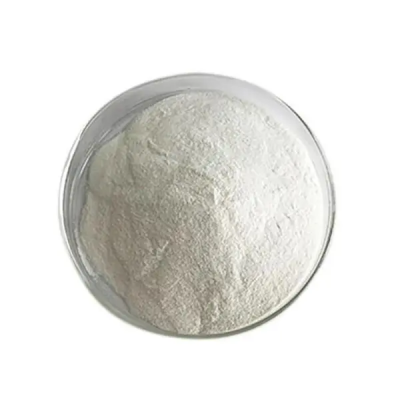
Adenosine CAS:58-61-7
Adenosine is a naturally occurring nucleoside composed of adenine and ribose. This essential molecule plays a vital role in numerous physiological processes within the human body, serving as a key component in the production of adenosine triphosphate (ATP), which is the primary energy currency of cells. Additionally, adenosine acts as a signaling molecule in various biochemical pathways, regulating functions such as neurotransmission, vasodilation, and immune response modulation. Due to its diverse biological activities, adenosine and its derivatives have garnered significant interest in pharmaceutical and research applications, showcasing their potential for developing novel therapeutics and advancing scientific understanding.

