-
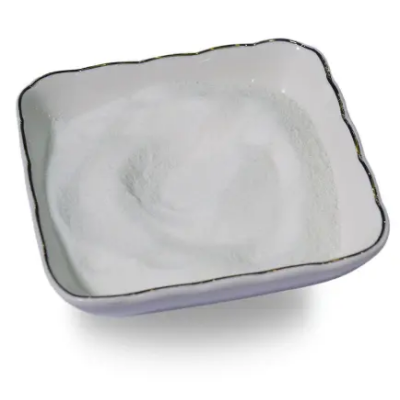
Sucralose CAS:56038-13-2
Sucralose is an artificial sweetener derived from sucrose, recognized for its intensely sweet taste and low-calorie content. Widely used as a sugar substitute, sucralose is approximately 600 times sweeter than sugar and is a popular ingredient in various food, beverage, and dietary products.
-
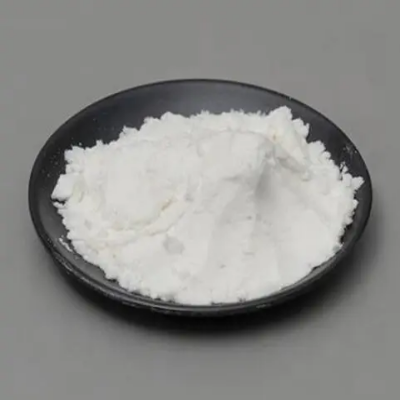
Pectin CAS:9000-69-5
Pectin is a natural polysaccharide found in various fruits, functioning as a gelling agent and stabilizer. Widely used in the food industry for its thickening properties, pectin plays a crucial role in the production of jams, jellies, and other confectionery products. Additionally, it has applications in pharmaceuticals and as a dietary fiber supplement.a
-

N-Methylindole CAS:603-76-9
N-Methylindole, also known as 1-methylindole, is a chemical compound with the molecular formula C9H9N. It is a derivative of indole and exhibits unique properties that make it valuable in various industrial applications and scientific research. N-Methylindole is used as a building block in organic synthesis and has been studied for its potential biological activities and reactivity in chemical processes.
-
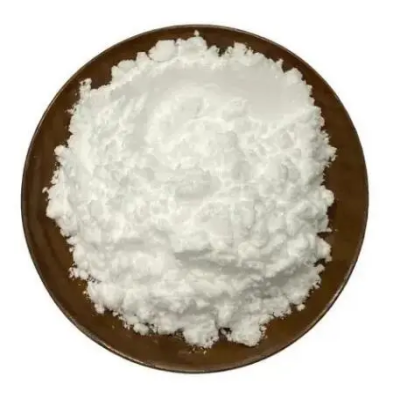
Oxindole CAS:59-48-3
Oxindole is a heterocyclic compound with the molecular formula C8H7NO. It is characterized by its bicyclic structure, containing both an indole and a ketone functional group. Oxindole is widely studied for its diverse pharmacological activities and is utilized as a building block in organic synthesis for the preparation of pharmaceutical compounds, natural products, and other functional materials.
-
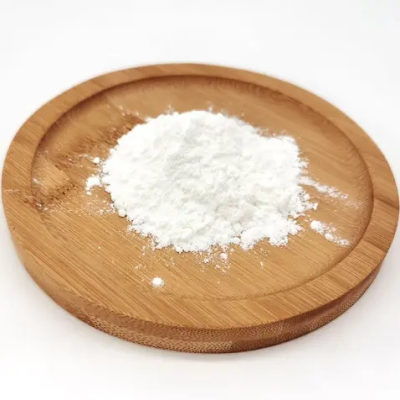
OMEPRAZOLE CAS:73590-58-6
OMEPRAZOLE is a proton pump inhibitor (PPI) used to reduce the amount of acid produced in the stomach. It is commonly prescribed for the treatment of conditions such as gastroesophageal reflux disease (GERD), ulcers, and Zollinger-Ellison syndrome. OMEPRAZOLE works by blocking the enzyme in the wall of the stomach that produces acid, thus decreasing the amount of acid produced.
-
Phenyl(2-piperidinyl)aceticacid CAS:19395-41-6
Phenyl(2-piperidinyl)aceticacid, also known as phenylpiperidinylacetic acid or PPAA, is a chemical compound with the molecular formula C13H17NO2. It is a white to off-white crystalline powder that is sparingly soluble in water. This compound is often used in pharmaceutical research and drug development due to its potential pharmacological properties.
-
Methylindole-3-carboxylate CAS:942-24-5
Methylindole-3-carboxylate is a chemical compound with the molecular formula C11H9NO2. It belongs to the indole family and is characterized by its methyl ester functional group. This compound is studied for its unique properties and potential applications in organic synthesis, pharmaceutical research, and material science.
-
D(+)-2-Amino-1-butanol CAS:5856-62-2
D(+)-2-Amino-1-butanol is a chemical compound with the molecular formula C4H11NO. It is an amino alcohol that is optically active and is studied for its unique properties and potential applications in organic synthesis, pharmaceutical research, and material science.
-
7-Methylindole CAS:933-67-5
7-Methylindole is a significant chemical compound widely utilized in various industries. Its unique molecular structure and properties make it valuable for diverse applications, particularly in pharmaceutical and organic synthesis.
-
5-Metlylindole CAS:614-96-0
5-Methylindole, also known as skatole, is a chemical compound with the molecular formula C9H9N. It is a derivative of indole and can be found in various natural sources including animal feces, flowers, and coal tar. 5-Methylindole has a distinct, unpleasant odor and is often used in the production of fragrances and pharmaceuticals. Additionally, it has been studied for its potential biological activities and industrial applications.
-
Indole-3-carboxaldehyde CAS:487-89-8
Indole-3-carboxaldehyde is a chemical compound with the molecular formula C9H7NO. It is a derivative of indole and is characterized by its carboxaldehyde functional group. This compound is studied for its unique properties and potential applications in organic synthesis, pharmaceutical research, and material science.
-
indolepropionicacid CAS:830-96-6
Indolepropionic acid (IPA) is a microbial metabolite and a derivative of indole. It is produced in the gastrointestinal tract by certain bacteria and has garnered interest for its potential health-related properties, including its role as a dietary supplement and its impact on gut microbiota.

