-
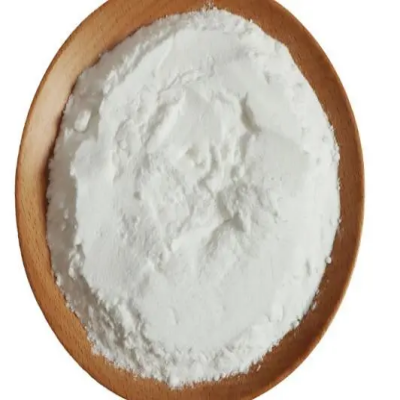
3-CYANO-1-METHYLINDOLE CAS:24662-37-1
3-Cyano-1-methylindole, also known as 3-cyanomethylindole, is a chemical compound with the molecular formula C10H8N2. It is a crystalline solid with a distinctive odor and finds applications in various industrial and scientific fields.
-
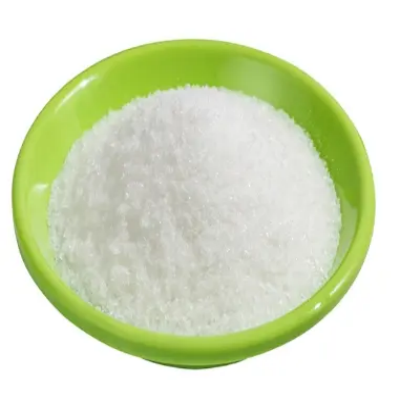
2-Nitrobenzaldehyde CAS:552-89-6
2-Nitrobenzaldehyde is a yellow crystalline compound. It is widely utilized as an important intermediate in the synthesis of various pharmaceuticals, dyes, and aromatic compounds due to its versatile reactivity.
-
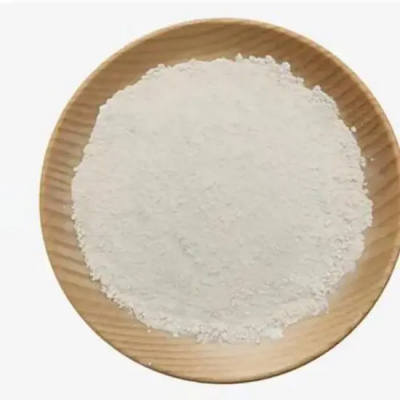
4-Aminobenzonitrile CAS:873-74-5
4-Aminobenzonitrile, also referred to as p-aminobenzonitrile, is a crystalline organic compound with the molecular formula C7H6N2. It is primarily utilized in chemical synthesis and research due to its distinctive properties and reactivity.
-

3′-Chloropropiophenone CAS:34841-35-5
3′-Chloropropiophenone is a chemical compound known for its clear liquid form. It is recognized for its versatile reactivity and is commonly used as an intermediate in the synthesis of pharmaceuticals, agrochemicals, and other organic compounds.
-
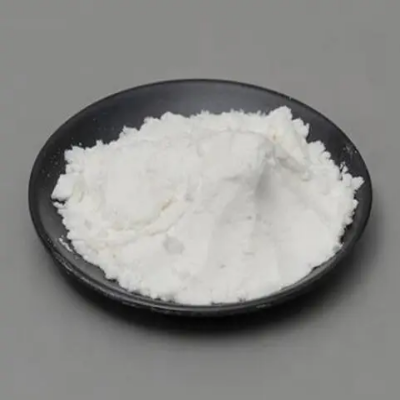
4-Aminotrifluorotoluene CAS:455-14-1
4-Aminotrifluorotoluene, also known as p-aminotrifluorotoluene, is a colorless to pale yellow liquid organic compound with the molecular formula C8H8F3N. It is widely employed as a versatile building block in diverse chemical synthesis processes.
-
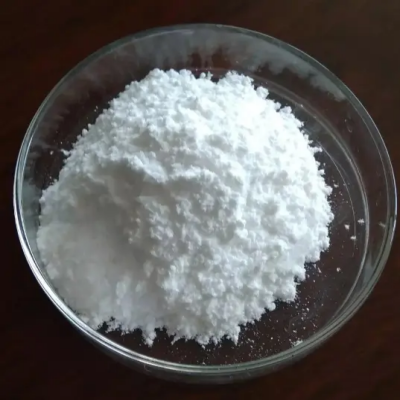
3-Indolepropionic Acid CAS:830-96-6
3-Indolepropionic acid is a chemical compound belonging to the class of indole derivatives. It is characterized by its indole ring structure and a propionic acid side chain. This compound holds potential applications in various fields due to its structural properties and potential reactivity.
-

Ethephon CAS:16672-87-0
Ethephon is a plant growth regulator and a synthetic organic compound that acts as a source of ethylene, a natural plant hormone. It is widely used in agriculture to promote various physiological responses in plants, including fruit ripening, flower induction, and abscission.
-
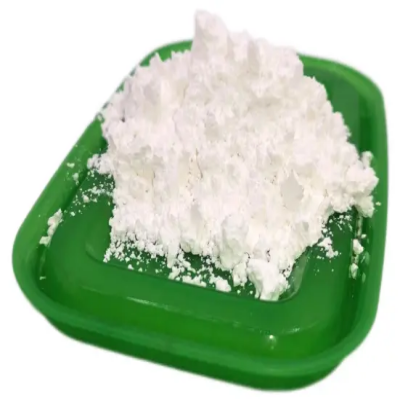
Paclobutrazol CAS:76738-62-0
Paclobutrazol is a plant growth regulator belonging to the triazole class of chemicals, widely utilized in agriculture and horticulture to control vegetative growth and enhance stress tolerance in plants. It acts by inhibiting the biosynthesis of gibberellins, resulting in reduced internode elongation, improved flowering, and increased fruit or ornamental crop yield.
-

IAA CAS:6505-45-9
IAA, or Indole-3-acetic acid, is a naturally occurring plant hormone classified as an auxin. It plays a crucial role in regulating various aspects of plant growth and development, including cell elongation, apical dominance, and root initiation. IAA is widely utilized in horticulture, agriculture, and research due to its profound effects on plant physiology.
-
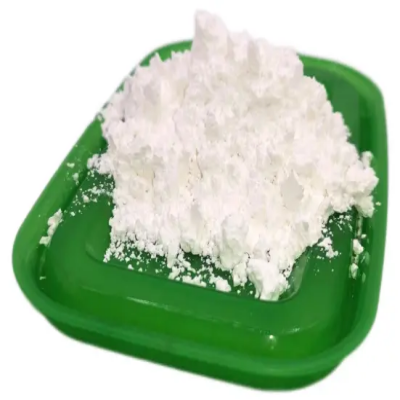
IBA K CAS:60096-23-3
IBA K, or Potassium Indole-3-butyrate, is a soluble form of the plant hormone 3-Indolebutyric acid (IBA). As a potassium salt, IBA K is designed for enhanced stability and efficient uptake by plants, particularly in horticultural applications where it serves as a rooting hormone and growth regulator.
-
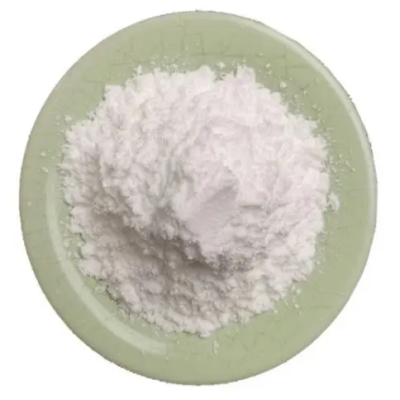
Sodium 2-nitrophenoxide CAS:824-39-5
Sodium 2-nitrophenoxide is a chemical compound derived from 2-nitrophenol, commonly used in organic synthesis and chemical research. This water-soluble compound possesses unique reactivity and properties, making it valuable for various applications in the field of chemistry.
-
GA3 CAS:77-06-5
Gibberellic acid (GA3) is a naturally occurring plant hormone that regulates various developmental processes in plants, including seed germination, stem elongation, and flowering. As a synthetic form of gibberellins, GA3 is widely used in agriculture to manipulate plant growth and development, offering applications in horticulture, fruit production, and seed propagation.