-
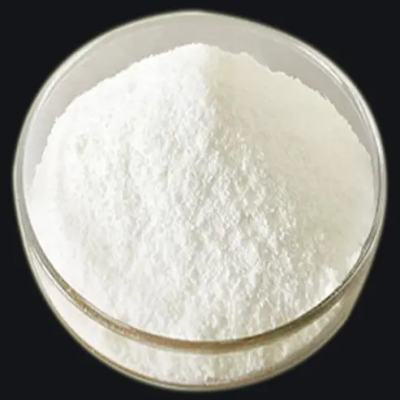
2-Fluoro-5-formylbenzonitrile CAS:218301-22-5
2-Fluoro-5-formylbenzonitrile is a chemical compound belonging to the class of benzonitriles. It is a white to light yellow crystalline solid, sparingly soluble in water, and commonly used as an intermediate in the synthesis of pharmaceuticals and agrochemicals due to its versatile reactivity and functional groups. Its molecular formula is C8H4FNO.
-
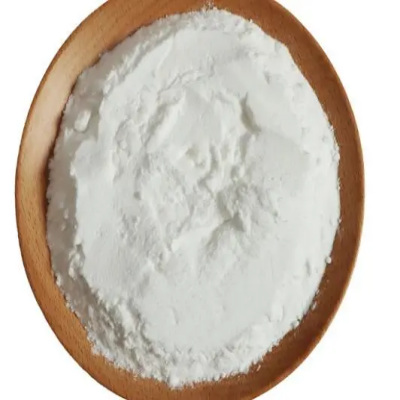
2′-Acetonaphthone CAS:93-08-3
2′-Acetonaphthone, also known as 2′-acetyl-1-naphthyl ketone, is an organic compound with the chemical formula C13H10O. It exists as colorless crystals or a white crystalline powder and is commonly used in organic synthesis and various industrial applications. The compound’s unique structure and properties make it valuable for different chemical processes and material production.
-
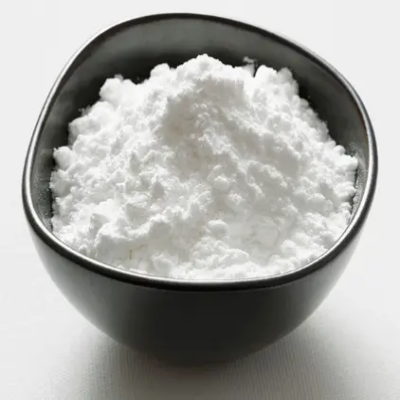
4-CHLOROBUTYALDEHYDEDIMETHYLACETAL CAS:29882-07-3
4-Chlorobutyraldehydedimethylacetal is an organic compound widely used as a versatile building block in organic synthesis. It serves as a crucial intermediate for the preparation of various fine chemicals, pharmaceuticals, and specialized compounds due to its unique chemical reactivity and structural features.
-
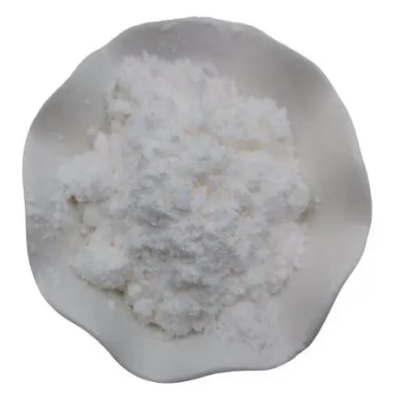
2,2-Dimethyl-1,3-dioxane-4,6-dione CAS:2033-24-1
2,2-Dimethyl-1,3-dioxane-4,6-dione is an organic compound utilized as a versatile building block in organic synthesis. It serves as a crucial intermediate for the preparation of various fine chemicals, pharmaceuticals, and specialized compounds due to its unique chemical reactivity and structural features.
-

Acetovanillone CAS:498-02-2
Acetovanillone, also known as 3′-methoxyacetophenone, is an organic compound with a sweet, aromatic scent. It is commonly used in the fragrance industry and as a flavoring agent.
-
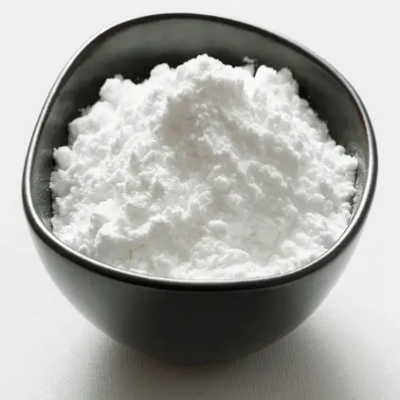
4-Chlorobutyraldehydediethylacetal CAS:6139-83-9
4-Chlorobutyraldehydediethylacetal is an organic compound used as a versatile building block in organic synthesis. It contains a chlorinated butyraldehyde unit and serves as an important intermediate for the preparation of various fine chemicals, pharmaceuticals, and agrochemicals.
-
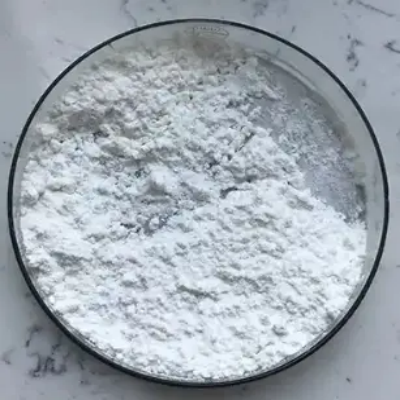
6-benzylguanine CAS:19916-73-5
6-Benzylguanine is an organic compound that belongs to the guanine family. It is commonly used as a chemical tool in biological research and pharmaceutical development due to its ability to modulate enzymatic processes and nucleic acid interactions.
-
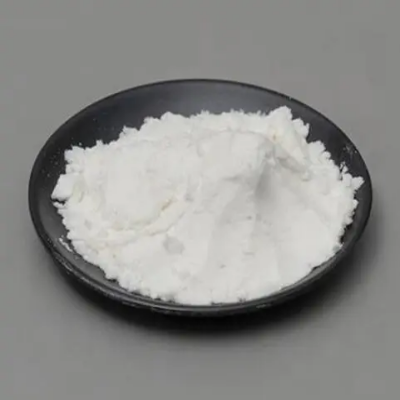
5-Formyl-2,4-dimethyl-1H-pyrrole-3-carboxylicacid CAS:253870-02-9
5-Formyl-2,4-dimethyl-1H-pyrrole-3-carboxylic acid is an organic compound used as a key building block in organic synthesis. Its unique structural features and chemical reactivity make it a valuable intermediate for the production of various fine chemicals, pharmaceuticals, and specialized compounds.
-
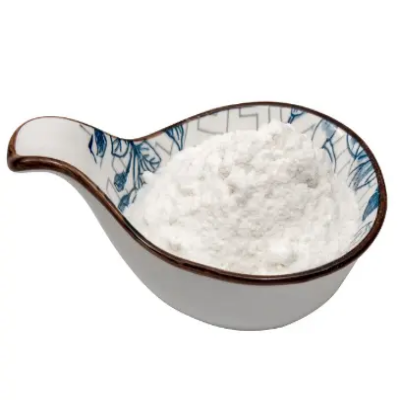
Potassium Chloride CAS:7447-40-7
Potassium iodide, with the chemical formula KI, is a white crystalline salt recognized for its diverse applications in pharmaceuticals, radiation protection, and chemical synthesis. As a source of both potassium and iodine, it serves essential functions within various industries due to its unique properties and wide-ranging uses.
-
Potassium Iodine CAS:7681-11-0
Potassium iodide, with the chemical formula KI, is a white crystalline salt recognized for its diverse applications in pharmaceuticals, radiation protection, and chemical synthesis. As a source of both potassium and iodine, it serves essential functions within various industries due to its unique properties and wide-ranging uses.
-
Sodium Bicarbonate CAS:144-55-8
Sodium bicarbonate, commonly known as baking soda, is a white, crystalline solid with the chemical formula NaHCO3. It is widely recognized for its versatile applications across diverse industries. With its alkaline properties and mild abrasive nature, sodium bicarbonate serves as a valuable ingredient in food production, pharmaceuticals, personal care products, and various industrial processes.
-
Manganese Oxide 62% CAS:11129-60-5
Manganese sulfate monohydrate, with the chemical formula MnSO4 · H2O, is a pale pink crystalline solid that contains one molecule of water per molecule of manganese sulfate. It is primarily utilized in agricultural and industrial applications due to its diverse range of uses. With its water solubility and versatile properties, manganese sulfate monohydrate serves as a valuable source of manganese for plants and finds applications in various industrial processes.