-
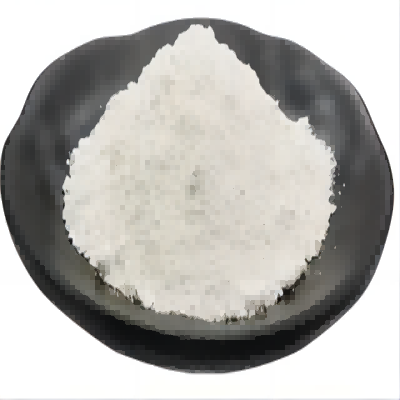
Creatine CAS:57-00-1 Manufacturer Supplier
Creatine is a kind of natural nutrients in presented in the human body and can also be synthesize through arginine, glycine, and methionine in the liver, kidney and pancreas: in the presence of the catalysis of the arginine/glycine transamidinase in the kidney, the amidino group of the arginine can be transferred to the amino group of the glycine, generating glycocyamine.
-

Creatine Anhydrous CAS:57-00-1 Manufacturer Supplier
Creatine Anhydrous, also known as alpha-forminylacetic acid, is a natural nutrient present in the human body and can also be synthesized from arginine, glycine, and methionine in the liver, kidneys, and pancreas.
-
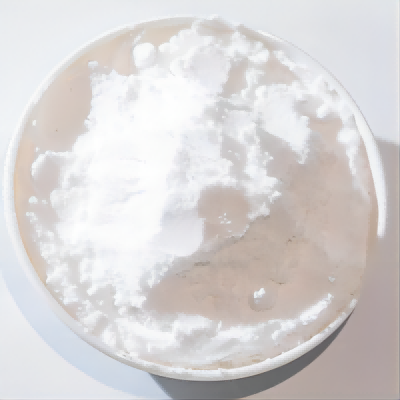
Calcium Glutamate CAS:19238-49-4 Manufacturer Supplier
Calcium Glutamate is white crystalline or crystalline powder, basically odorless, with a special umami taste.Main physiological function of calcium supplements, chelated rated-locking chelated calcium is not in the usual way of calcium salt ion is absorbed, but as part of the whole molecule (chelation form) into the intestinal villus cells, enter the cells due to changes in pH or peptide enzyme and the effect of hydrolysis, partial hydrolysis or hydrolysis, the absorption rate is as high as 90%.
-
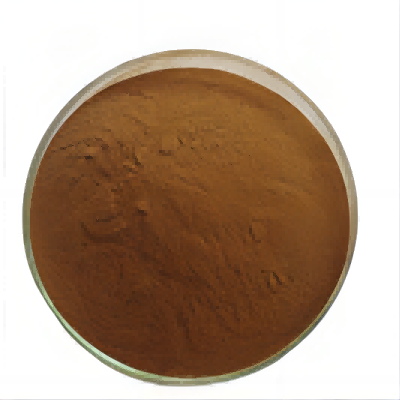
Aloe vera CAS:85507-69-3 Manufacturer Supplier
Aloe vera gel is known for its healing properties for skin injury and as a remedy for sunburns, burns and cuts, acne, injury to epithelial cells, and even skin cancer . Its antiviral, antidiabetic, and stress-reducing effects are also well documented. Among the various active components of Aloe are anthraquinones; chromones; monosaccharides; polysaccharides; vitamins B1, B2, B6, and C; niacinamide; choline and enzymes like acid and alkaline phosphatase; amylase; lactate dehydrogenase; lipase; and many inorganic ingredients, but most important among them is the long chain of acetylated mannose .
-
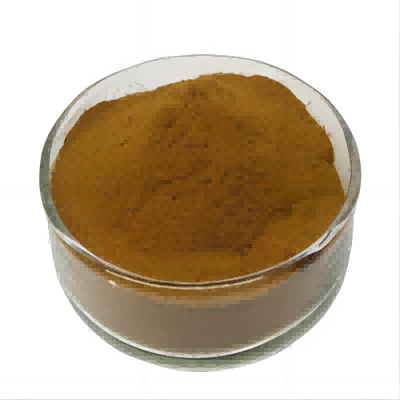
Valerian Root Extract CAS:8008-88-6 Manufacturer Supplier
Valerian Root Extract is obtained by steam distillation of well-dried ground roots of Valeriana officinalis L. (Valerianaceae). It is a yellow-green to yellow-brown liquid with an extremely strong, characteristic, penetrating odor.The oil becomes dark and viscous on aging or on exposure to air.
-
Arginine Nitrate CAS:223253-05-2 Manufacturer Supplier
Arginine nitrate is a kind of amino acid that is one the fundamental building blocks of protein. It effectively promotes muscle growth and at the same time efficiently boosts protein synthesis right after a physically challenging workout or strenuous activity. This is the primary reason why this supplement is the top choice for athletes and body-builders who want to take their performance to the next level.
-
Creatine Malate CAS:686351-75-7 Manufacturer Supplier
Creatine Malate, the compound is creatine bound to malic acid. Malic acid is a naturally occuring kreb cycle intermediate, meaning that malic acid plays a crucial role in our natural energy cycle. Malic acid coupled with the effect of creatine, as in Di-Creatine Malate, offers much greater ATP production over conventional creatine monohydrate.
-
Ipriflavone CAS:35212-22-7 Manufacturer Supplier
Ipriflavone, a derivative of isoflavone, is a calcium metabolism regulator useful in the treatment of primary and secondary osteoporosis, as well as disorders of osteogenesis. It appears to be without significant side-effects. Ipriflavone is a member of the class of isoflavones that is isoflavone in which the hydrogen at position 7 is replaced by an isopropoxy group. A synthetic isoflavone, it was formerly used for the treatment of osteoporosis, although a randomised controlled study failed to show any benefit. It is still used to prevent osteoporosis in post-menopausal women. It has a role as a bone density conservation agent. It is a member of isoflavones and an aromatic ether.
-
N-Acetyl-L-Glutamine CAS:35305-74-9 Manufacturer Supplier
N-Acetyl-L-Glutamine is known as an anti-ulcer drug that works by forming a protective layer over the lining of the stomach.N-Acetyl-L-Glutamine accomplishes this by activating a chemical action that serves as an anti-acid buffer while suppressing the secretion of pepsin, a protein-digesting enzyme produced in the stomach.
-
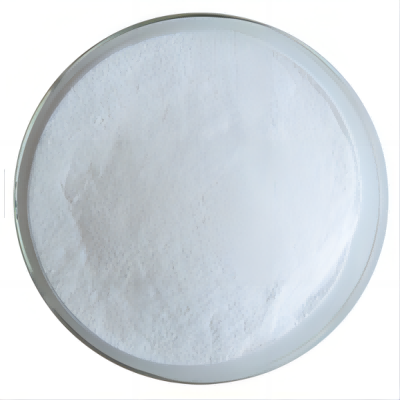
Alpha-Ketovaline Calcium CAS:51828-94-5 Manufacturer Supplier
Alpha-Ketovaline Calcium is a compound α- One of the main components of ketoacid tablets (Kaitong). α- Ketoacids and their derivatives have shown increasingly broad application prospects in food, daily chemicals and medicine.
-
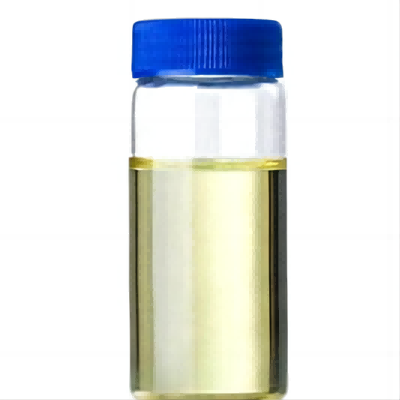
Pyruvic Acid CAS:127-17-3 Manufacturer Supplier
Pyruvic acid is the key component formed during the hydrolysis of flavor-precursors called S-alk(en)yl-L-cysteine-sulfoxides in onion tissues by allinase during maceration or chopping. The amount of pyruvic acid formed is used as a measure for onion pungency.
-
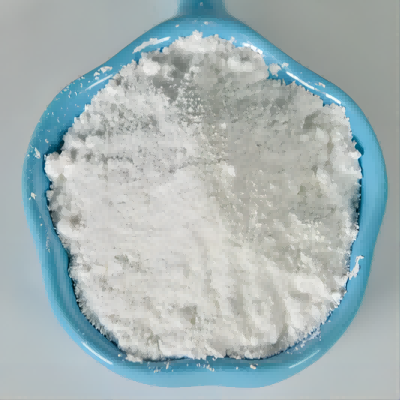
Acetyl L-Leucine CAS:1188-21-2 Manufacturer Supplier
Acetyl L-Leucine can be used as a nutritional supplement and seasoning flavoring agent. Amino acid infusion and synthetic amino acid preparations, hypoglycemic agents, and plant growth promoters can be formulated. The effects of leucine include collaborating with isoleucine and valine to repair muscles, control blood sugar, and provide energy to body tissues. It also increases the production of growth hormon and helps to burn visceral fat. Because these fats are inside the body, it is difficult for them to have an effective effect only on diet and exercise.

