-
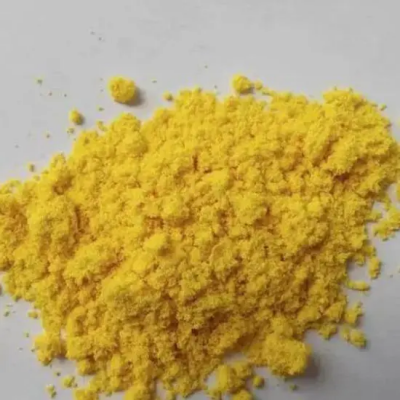
3,4-Difluorobenzaldehyde CAS:34036-07-2
3,4-Difluorobenzaldehyde is a chemical compound with the molecular formula C7H4F2O. It is commonly used as a versatile building block in organic synthesis, particularly in the preparation of pharmaceuticals, agrochemicals, and advanced materials due to its unique fluorine substitution pattern.
-
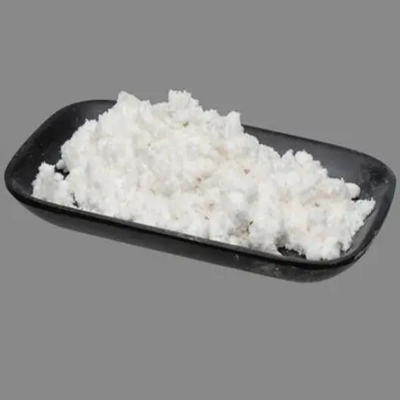
2-fluoro-6-(trifluoromethyl)benzoicacid CAS:32890-94-1
2-Fluoro-6-(trifluoromethyl)benzoic acid is a chemical compound with the molecular formula C8H4F4O2. It is a white solid with a molecular weight of 212.11 g/mol. This compound is often used as an intermediate in the synthesis of pharmaceuticals, agrochemicals, and other organic compounds. Its chemical structure contains a fluorine atom and a trifluoromethyl group, making it useful in various chemical reactions and processes.
-
2-Bromo-6-(trifluoromethyl)pyridine CAS:189278-27-1
2-Bromo-6-(trifluoromethyl)pyridine is a chemical compound with the molecular formula C6H3BrF3N, commonly used as a building block in organic synthesis and pharmaceutical research due to its unique bromo-trifluoromethyl substitution pattern.
-
2-Bromo-5-FluorobenzoicAcid CAS:394-28-5
2-Bromo-5-Fluorobenzoic Acid is a chemical compound with the molecular formula C7H4BrFO2. It is commonly used as a versatile building block in organic synthesis, particularly in the preparation of pharmaceuticals, agrochemicals, and advanced materials due to its unique bromo-fluoro substitution pattern.
-
1-Propanesulfonylchloride CAS:10147-36-1
1-Propanesulfonylchloride, with the molecular formula C3H7ClO2S, is a chemical compound utilized as a versatile reagent in organic synthesis and chemical transformations due to its unique sulfonyl chloride functional group.
-
1-PHENYL-1-(2-PYRIDYL)ETHANOL CAS:19490-92-7
1-Phenyl-1-(2-pyridyl)ethanol is a chemical compound known for its versatile applications. It is commonly used as a building block in the synthesis of pharmaceuticals, agrochemicals, and other fine chemicals due to its unique structural properties.
-
1,4-Benzenedimethanethiol CAS:105-09-9
1,4-Benzenedimethanethiol is a chemical compound with the molecular formula C8H10S2. It is utilized as a versatile building block in organic synthesis, particularly in the formation of polymers, dyes, and coordination complexes due to its unique properties.
-
1,2-Benzisoxazole-3-methanesulfonicacidsodiumsalt CAS:73101-64-1
1,2-Benzisoxazole-3-methanesulfonic acid sodium salt is a versatile chemical compound known for its wide-ranging applications. With unique properties, it finds use in pharmaceutical research, materials science, and chemical synthesis, making it an important component in diverse industrial and scientific processes.
-

(2R,3R,4R,5S,6S)-2-(acetoxymethyl)-6-(3-((5-(4-fluorophenyl)thiophen-2-yl)methyl)-4-methylphenyl)tetrahydro-2H-pyran-3,4,5-triyltriacetate CAS:866607-35-4
“(2R,3R,4R,5S,6S)-2-(acetoxymethyl)-6-(3-((5-(4-fluorophenyl)thiophen-2-yl)methyl)-4-methylphenyl)tetrahydro-2H-pyran-3,4,5-triyltriacetate is a chemical compound with potential pharmaceutical applications.”
-
L-Tyrosine CAS:60-18-4
L-Tyrosine is a non-essential amino acid crucial for neurotransmitter production, thyroid hormone synthesis, and overall physiological function within the human body. As a precursor to dopamine, epinephrine, norepinephrine, and thyroid hormones, L-tyrosine plays a vital role in mood regulation, stress response, and metabolic processes. Its molecular structure and involvement in various metabolic pathways underscore its significance in supporting diverse physiological functions.
-

methyl 4-oxo-3,4-dihydroquinazoline-7-carboxylate CAS:313535-84-1
Methyl 4-oxo-3,4-dihydroquinazoline-7-carboxylate is a valuable building block in organic synthesis, known for its role in the preparation of diverse pharmaceutical compounds. This compound’s unique quinazoline core and carboxylate functionality make it an essential intermediate for medicinal chemistry and drug development. With high purity and consistency, it serves as a reliable foundation for the creation of biologically active molecules.
-
L-Tryptophan CAS:73-22-3
L-Tryptophan is an essential amino acid vital for protein synthesis, serotonin production, and overall metabolic function within the human body. As one of the nine essential amino acids, L-tryptophan cannot be synthesized by the body and must be obtained through dietary sources or supplements. Its molecular structure and role in supporting mood regulation, sleep quality, and neurotransmitter synthesis make it crucial for various physiological processes.