-
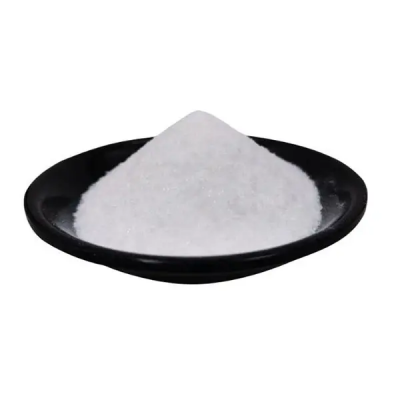
L-Ornithine HCL/Base CAS:70-26-8
L-Ornithine, available as L-Ornithine HCl (hydrochloride) or L-Ornithine base, is a non-proteinogenic amino acid crucial for the urea cycle, ammonia detoxification, and overall physiological function within the human body. As a key player in the elimination of ammonia, L-ornithine plays a vital role in supporting liver function, detoxification processes, and metabolic balance. Its molecular structure and involvement in various metabolic pathways underscore its significance in promoting diverse physiological functions.
-
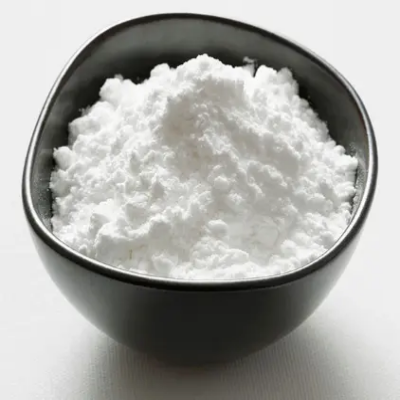
L-Isoleucine CAS:73-32-5
L-Isoleucine is an essential branched-chain amino acid (BCAA) crucial for protein synthesis, energy production, and overall metabolic function within the human body. As one of the nine essential amino acids, L-isoleucine cannot be synthesized by the body and must be obtained through dietary sources or supplements. Its molecular structure and role in supporting muscle tissue, immune function, and hemoglobin production make it vital for various physiological processes.
-
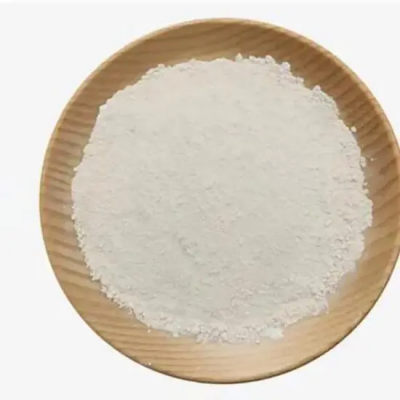
L-Phenylalanine CAS:3617-44-5
L-Phenylalanine is an essential amino acid crucial for protein synthesis, neurotransmitter production, and overall metabolic function within the human body. As one of the nine essential amino acids, L-phenylalanine cannot be synthesized by the body and must be obtained through dietary sources or supplements. Its molecular structure and role in supporting cognitive function, mood regulation, and neurotransmitter balance make it indispensable for various physiological processes.
-

L-Leucine CAS:61-90-5
L-Leucine is a vital branched-chain amino acid (BCAA) essential for protein synthesis and various metabolic functions in the human body. As one of the nine essential amino acids, L-leucine cannot be synthesized by the body and must be obtained through dietary sources or supplements. Its molecular structure and role as a building block for proteins make it indispensable for muscle growth, repair, and overall health.
-
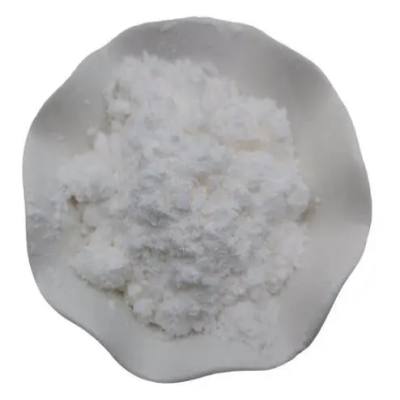
L-Methionine CAS:63-68-3
L-Methionine is an essential amino acid crucial for protein synthesis, metabolism, and overall physiological function within the human body. As one of the nine essential amino acids, L-methionine cannot be produced by the body and must be obtained through dietary sources or supplements. Its molecular structure and role in supporting tissue repair, detoxification, and metabolic processes make it vital for various physiological functions.
-
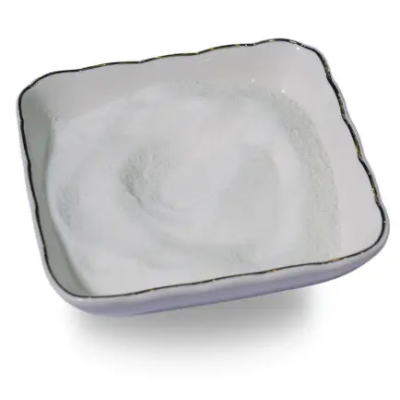
tert-butyl (2-chloropyridin-3-yl)carbamate CAS:209798-48-1
Tert-butyl (2-chloropyridin-3-yl)carbamate is a valuable chemical compound used in organic synthesis and pharmaceutical research. With its unique structure containing a chloropyridine moiety, it serves as a versatile building block for the development of biologically active molecules and pharmaceutical intermediates. Produced to high purity standards, it offers reliability and consistency in various synthetic processes.
-
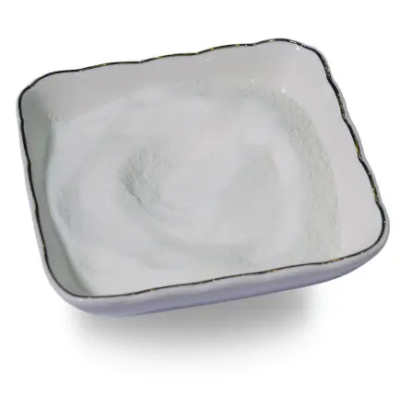
L-Arginine HCL/Base CAS:1119-34-2
L-Arginine, available as L-Arginine HCl (hydrochloride) or L-Arginine base, is a semi-essential amino acid crucial for protein synthesis, nitric oxide production, and overall physiological function within the human body. As a precursor to nitric oxide, L-arginine plays a vital role in vasodilation, cardiovascular health, and muscle metabolism. Its molecular structure and involvement in various metabolic pathways underscore its significance in supporting diverse physiological processes.
-
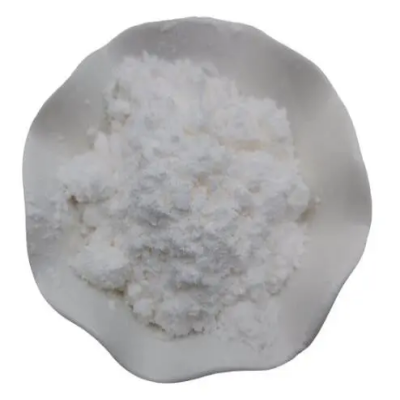
L-Cystine CAS:56-89-3
L-Cystine is a non-essential amino acid crucial for protein structure, antioxidant function, and overall physiological balance within the human body. As a component of the dipeptide glutathione, L-cystine plays a vital role in supporting cellular defense against oxidative stress, detoxification processes, and tissue repair. Its molecular structure and involvement in various metabolic pathways underscore its significance in promoting diverse physiological functions.
-
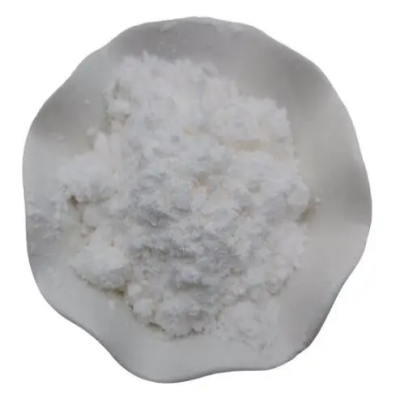
L-Glutamine CAS:56-85-9
L-Glutamine is a conditionally essential amino acid crucial for protein synthesis, immune function, and overall physiological balance within the human body. As the most abundant free amino acid in the body, L-glutamine plays a vital role in supporting muscle recovery, gut health, and immune system modulation. Its molecular structure and involvement in various metabolic pathways underscore its significance in promoting diverse physiological functions.
-
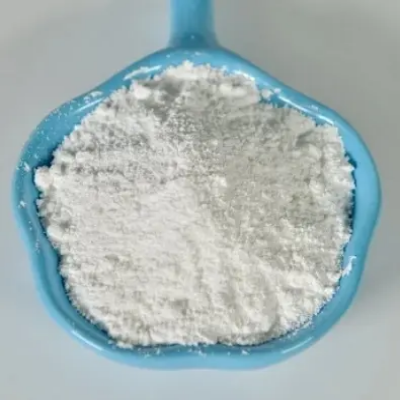
L-Citrulline CAS:372-75-8
L-Citrulline is a non-essential amino acid crucial for nitric oxide production, vascular health, and overall physiological function within the human body. As a precursor to L-arginine, L-citrulline plays a vital role in promoting vasodilation, circulation, and cardiovascular well-being. Its molecular structure and involvement in various metabolic pathways underscore its significance in supporting diverse physiological functions.
-

L-Cysteine HCL/Base CAS:52-90-4
L-Cysteine, available as L-Cysteine HCl (hydrochloride) or L-Cysteine base, is a semi-essential amino acid crucial for protein structure, antioxidant function, and overall physiological balance within the human body. As a precursor to glutathione, L-cysteine plays a vital role in supporting cellular defense against oxidative stress, detoxification processes, and tissue repair. Its molecular structure and involvement in various metabolic pathways underscore its significance in promoting diverse physiological functions.
-
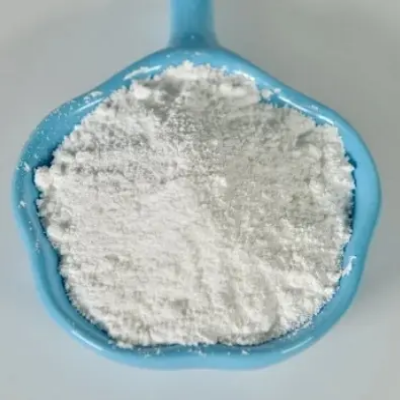
L-Alanine CAS:56-41-7
L-Alanine is a non-essential amino acid crucial for protein synthesis, glucose metabolism, and overall physiological function within the human body. As a significant component of proteins, L-alanine plays a vital role in supporting energy production, muscle maintenance, and overall metabolic processes. Its molecular structure and involvement in various metabolic pathways underscore its significance in promoting diverse physiological functions.

