-
Gatifloxacin sesquihydrate CAS:180200-66-2
Gatifloxacin sesquihydrate is a pharmaceutical formulation of the fluoroquinolone antibiotic gatifloxacin. It contains one and a half molecules of water per molecule of gatifloxacin, enhancing its stability and solubility characteristics. Gatifloxacin sesquihydrate retains the antimicrobial properties of gatifloxacin, making it effective against a wide range of bacterial infections.
-
Fusidic acid CAS:6990-06-3.
Fusidic acid is a potent antibiotic that belongs to the class of steroidal compounds known as fusidanes. It is commonly used in topical formulations to treat bacterial skin infections, especially those caused by Staphylococcus aureus. Fusidic acid works by inhibiting bacterial protein synthesis, making it effective against a variety of Gram-positive bacteria.
-

Flucloxacillin Sodium CAS:1847-24-1
Flucloxacillin sodium is a penicillin antibiotic used to treat bacterial infections caused by susceptible strains of bacteria, particularly Staphylococcus species. It is a semi-synthetic derivative of penicillin that is resistant to certain enzymes produced by bacteria, making it effective against penicillinase-producing strains. Flucloxacillin sodium is available in various formulations including capsules and intravenous solutions for the treatment of skin and soft tissue infections, bone and joint infections, and other conditions caused by susceptible organisms.
-
Furaltadone CAS:139-91-3
Furaltadone is a synthetic nitrofuran antibiotic commonly used in veterinary medicine to combat bacterial infections in animals. It exhibits antimicrobial activity against a variety of Gram-negative and some Gram-positive bacteria by interfering with bacterial nucleic acid synthesis. Furaltadone is utilized primarily in livestock and poultry farming to treat diseases caused by susceptible pathogens.
-
Furaltadone hydrochloride CAS:3759-92-0
Furaltadone hydrochloride is a derivative of the synthetic nitrofuran antibiotic furaltadone. It is commonly used in veterinary medicine to treat bacterial infections in animals, particularly in livestock and poultry species. Furaltadone hydrochloride exhibits antimicrobial activity against various Gram-negative and some Gram-positive bacteria by disrupting nucleic acid synthesis, making it effective in combating a range of bacterial diseases.
-
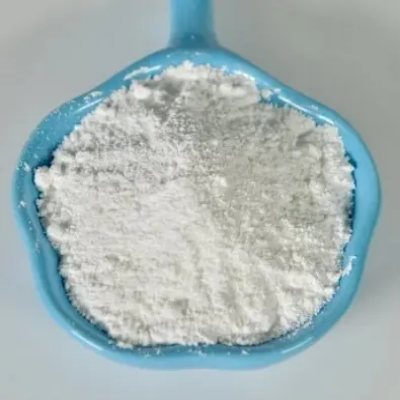
Framycetin sulfate CAS:4146-30-9
Framycetin sulfate, also known as neomycin B, is an aminoglycoside antibiotic commonly used in topical formulations for the treatment of bacterial infections. It exhibits broad-spectrum antibacterial activity against Gram-positive and Gram-negative bacteria by interfering with protein synthesis in bacterial cells. Framycetin sulfate is valued for its efficacy in managing skin infections, burns, wounds, and other localized bacterial conditions.
-
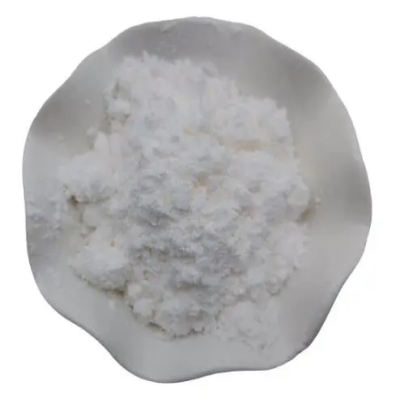
Fidaxomicin CAS:873857-62-6
Fidaxomicin is a narrow-spectrum antibiotic medication used to treat Clostridioides difficile infection (CDI), commonly known as C. difficile-associated diarrhea. It belongs to the class of macrocyclic antibiotics and works by inhibiting the growth of C. difficile bacteria in the gastrointestinal tract. Fidaxomicin is specifically designed to target this bacterium while preserving the normal gut flora, reducing the risk of recurrent infections.
-
Flumequine CAS:42835-25-6
Flumequine is a synthetic antibiotic belonging to the quinolone class, known for its broad-spectrum antimicrobial activity against both Gram-positive and Gram-negative bacteria. It is commonly used in veterinary medicine to treat bacterial infections in animals, particularly those affecting the urinary tract, respiratory system, and gastrointestinal tract. Flumequine works by inhibiting bacterial DNA replication, thereby halting bacterial growth and proliferation.
-
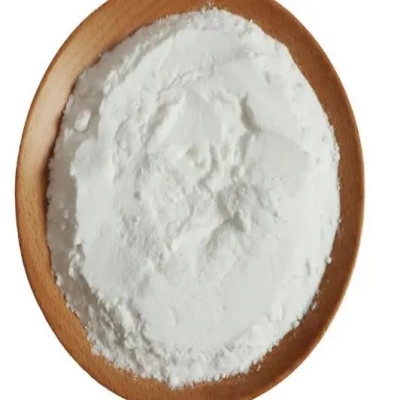
Flucloxacillin CAS:5250-39-5
Flucloxacillin is a narrow-spectrum antibiotic belonging to the penicillin class, specifically designed to target certain types of bacteria. It is commonly used to treat skin and soft tissue infections caused by susceptible strains of Staphylococcus aureus, including methicillin-sensitive strains. Flucloxacillin works by interfering with bacterial cell wall synthesis, leading to the inhibition of bacterial growth and ultimately eliminating the infection.
-
Florfenicol CAS:73231-34-2
Florfenicol is a veterinary antibiotic belonging to the amphenicol class, used to treat bacterial infections in animals. It is effective against a broad spectrum of bacteria and is commonly administered to livestock, poultry, and aquaculture species. Florfenicol works by inhibiting bacterial protein synthesis, making it a valuable tool in combating various bacterial diseases in animals.
-

Gamithromycin CAS:145435-72-9
Gamithromycin is a veterinary antibiotic belonging to the macrolide class, known for its potent antimicrobial properties against respiratory pathogens in animals. It is commonly used in livestock, particularly cattle and swine, to treat respiratory infections caused by susceptible bacteria. Gamithromycin works by inhibiting bacterial protein synthesis, thus halting bacterial growth and aiding in the resolution of infections.
-
Fosfomycin trometamol CAS:78964-85-9
Fosfomycin trometamol is an antibiotic agent that combines fosfomycin with tromethamine, a buffering agent, to enhance its stability and solubility. Fosfomycin trometamol is known for its broad-spectrum antimicrobial activity against various Gram-positive and Gram-negative bacteria. It is commonly used in the treatment of urinary tract infections and other bacterial infections, offering a convenient single-dose oral formulation for patient compliance.

