-

Bacillopeptidase B CAS:9014-01-1 Manufacturer Price
Bacillopeptidase B (BPB) is a type of protease enzyme that is derived from Bacillus species. It is primarily known for its ability to cleave peptide bonds within proteins, leading to their breakdown and degradation. BPB exhibits a broad specificity and can effectively hydrolyze a wide range of peptide substrates.
Due to its proteolytic activity, BPB is commonly used in various industrial and biotechnological applications. It is frequently employed in protein purification processes to remove unwanted proteins or cleave specific peptide sequences. BPB can also be utilized for protein structure analysis, as it can selectively cleave specific peptide bonds within a protein to generate fragments for further characterization.
Moreover, BPB has potential applications in the food industry, where it can be used to modify protein structures in order to improve the functional properties of food products. For example, it can enhance the heat stability of milk proteins or improve the texture and flavor of meat products.
In addition to its industrial applications, BPB can also play a role in biomedical research. It can be used to investigate protein-protein interactions and identify key binding sites within proteins. Furthermore, BPB has the potential to be employed in therapeutic treatments, as it can selectively degrade or modify specific proteins associated with diseases.
-
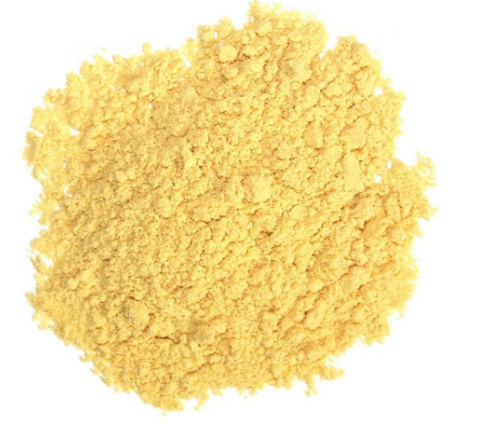
NADH disodium salt, trihydrate, reduced CAS:606-68-8
NADH, disodium salt is the disodium salt form of Nicotinamide Adenine Dinucleotide (NADH). NADH is a coenzyme found in all living cells and plays a crucial role in cellular metabolism. It is involved in redox reactions, acting as a co-substrate for a wide range of enzymes, particularly those involved in energy production.
NADH, disodium salt is commonly used in research and applications related to enzymology, cellular respiration, and the study of metabolic pathways. It can be utilized as a cofactor in enzymatic reactions, facilitating the transfer of electrons and the conversion of substrates. NADH, disodium salt is also used in various biochemical assays to measure enzyme activity, as it can be easily detected spectrophotometrically.
-
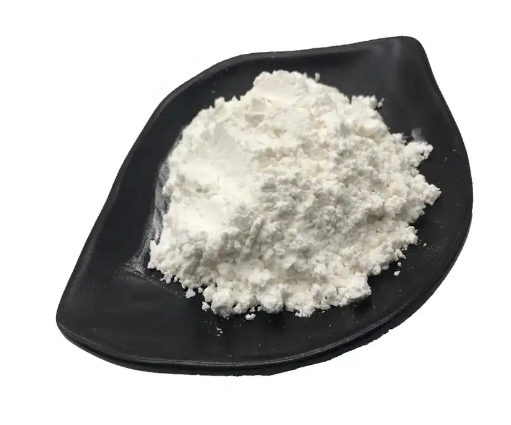
Collagenase CAS:9001-12-1 Manufacturer Price
Collagenase is a type of enzyme that breaks down collagen, a protein found in connective tissues such as skin, tendons, and cartilage. It is commonly used in medical and research settings for various purposes, including wound healing, tissue engineering, and the isolation of cells or tissues for further study. Collagenase works by breaking the peptide bonds in collagen molecules, resulting in the breakdown and degradation of the protein. It is available in different forms and strengths, depending on the specific application.
-

Dehydrogenase, alcohol CAS:9031-72-5 Manufacturer Price
Dehydrogenases are a group of enzymes involved in catalyzing the oxidation or reduction of substrates through the removal or addition of hydrogen atoms. When referring to alcohol dehydrogenase specifically, it is an enzyme that facilitates the conversion of alcohols into their corresponding aldehydes or ketones by removing hydrogen atoms from the alcohol molecule. This enzymatic reaction is essential in various biological processes, including alcohol metabolism in organisms, fermentation processes in bacteria and yeast, and the detoxification of alcohol in the liver. Alcohol dehydrogenase is also widely used in laboratory and industrial settings for the production of chemicals, such as ethanol, and in diagnostic assays to measure alcohol levels in samples. Its catalytic activity has significant implications in both biological and applied fields.
-
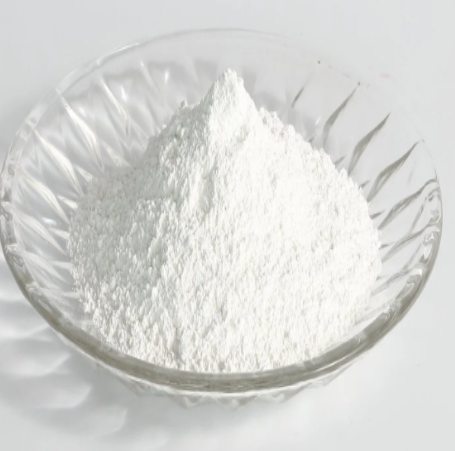
Pancreatin-5.0 (5XUSP) from hog pancreas CAS:8049-47-6
Pancreatin-5.0 (5X USP) is an enzyme mixture derived from the pancreas of hogs. It contains a blend of digestive enzymes, including proteases, amylases, and lipases, which aid in the breakdown of proteins, carbohydrates, and fats in the digestive system.
Pancreatin-5.0 is commonly used as a digestive aid and is available in supplement form. It can be beneficial for individuals with pancreatic insufficiency or those who have difficulty digesting certain foods. The enzymes in Pancreatin-5.0 help to supplement the body’s natural digestive process and assist in the absorption of nutrients.
-

BC Grade CAS:9001-37-0 Manufacturer Price
Glucose oxidase is an enzyme that catalyzes the oxidation of glucose to gluconolactone, producing hydrogen peroxide as a byproduct. It is commonly found in certain fungi and bacteria. Glucose oxidase has various applications, including its use in the food industry as a biosensor to measure glucose levels in food products. It is also used in clinical diagnostics to determine glucose concentrations in blood and other physiological fluids. Additionally, glucose oxidase is utilized in the production of gluconic acid, which has applications in pharmaceuticals, food additives, and other industrial processes.
-
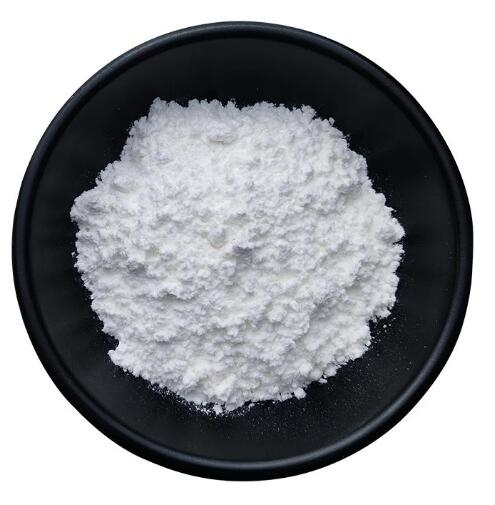
BETA-NADPH TETRA(CYCLOHEXYLAMMONIUM) SALT CAS:100929-71-3
β-NADPH tetra(cyclohexylammonium) salt is a chemical compound that is derived from β-Nicotinamide adenine dinucleotide phosphate (NADPH). It is commonly used in biochemical and molecular biology research as a cofactor and reducing agent in enzymatic reactions. The tetra(cyclohexylammonium) salt form provides stability and solubility in aqueous solutions, making it suitable for various applications. It plays a crucial role in cellular metabolism, acting as a key electron donor in multiple redox reactions involved in anabolic processes, antioxidant defense, and detoxification.
-

EC 3.2.1.31 CAS:9001-45-0 Manufacturer Price
EC 3.2.1.31 refers to the enzyme amylase, specifically alpha-amylase. Alpha-amylase catalyzes the hydrolysis of starch and glycogen into smaller oligosaccharides. This enzyme is widely found in various organisms, including humans, and plays a crucial role in digestion.In the human body, alpha-amylase is secreted by the salivary glands and the pancreas. It initiates the breakdown of complex carbohydrates into simpler forms, primarily in the mouth and small intestine. This enzymatic digestion is an essential step in the conversion of carbohydrates into glucose, which can be absorbed and used as a source of energy by cells.Outside of the body, alpha-amylase is widely used in various industries, including food and beverage, where it is used for starch liquefaction during the production of products like bread, beer, and ethanol. The enzyme’s ability to break down starch into smaller, more soluble components facilitates the handling, processing, and transformation of starch-based raw materials into desirable end products. It is also used in the textile industry for desizing fabrics, in laundry detergents for stain removal, and in the production of various starch-based products, such as paper and adhesives.
-
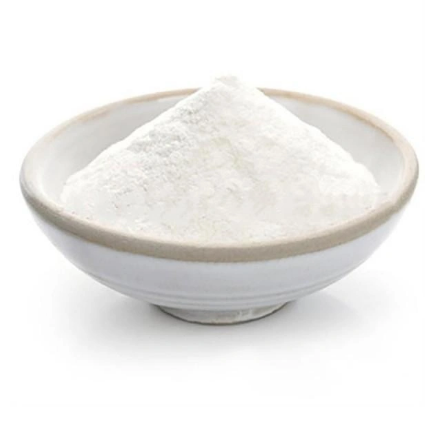
Hyaluronidase, purified, from bovine vitreous humor CAS:37326-33-3
Hyaluronidase is an enzyme that breaks down hyaluronic acid, a major component of the extracellular matrix in the body. It catalyzes the hydrolysis of hyaluronic acid, resulting in its degradation into smaller molecules. This enzyme plays a significant role in various physiological processes such as tissue remodeling, wound healing, and cell migration. Additionally, hyaluronidase is used therapeutically as an adjuvant in certain medical procedures and treatments, including the promotion of drug absorption, anesthesia delivery, and the dispersion of subcutaneous fluids.
-
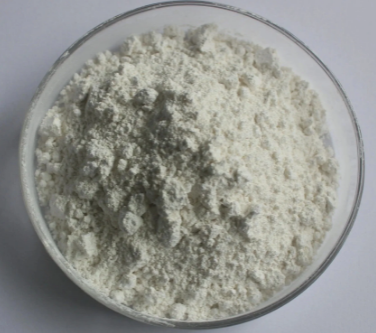
beta-nicotinamide adenine dinucleotide phosphoric acid CAS:53-59-8
Beta-nicotinamide adenine dinucleotide phosphoric acid (β-NADP) is a coenzyme involved in various metabolic reactions in living cells. It plays a crucial role in energy production, biosynthesis of macromolecules, antioxidant defense, and detoxification processes. β-NADP acts as an electron carrier, participating in redox reactions and transferring electrons from one molecule to another. It is an essential component of many enzymatic reactions involved in cellular metabolism and is widely used in research to study metabolic pathways and cellular processes.
-
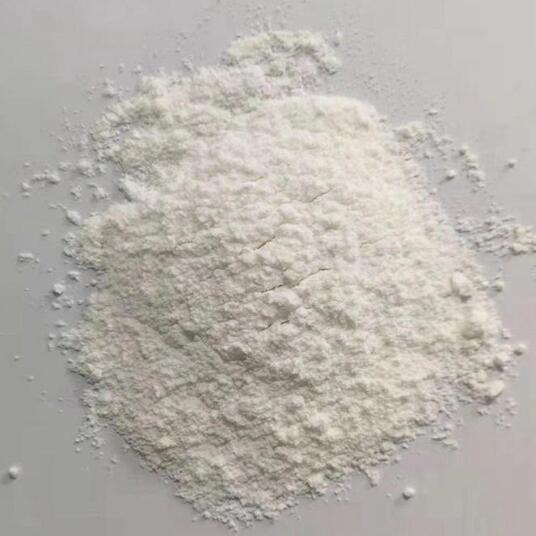
Lactase CAS:9031-11-2 Manufacturer Price
Lactase is an enzyme found in the small intestine that aids in the digestion of lactose, the sugar present in milk and dairy products. It breaks down lactose into simpler sugars, glucose and galactose, which can be easily absorbed and utilized by the body. Lactase deficiency or lactose intolerance can result in the inability to effectively digest lactose, leading to symptoms like bloating, abdominal discomfort, and diarrhea. Lactase supplements are available to help individuals with lactose intolerance digest dairy products without experiencing symptoms.
-
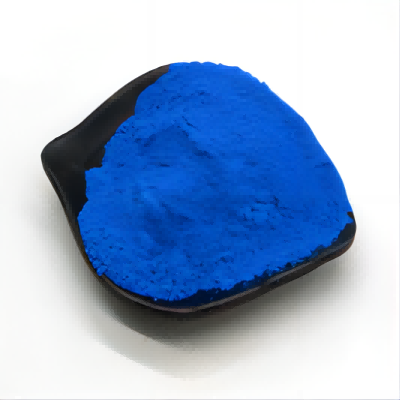
Copper glycinate CAS:13479-54-4 Manufacturer Supplier
Copper glycinate is a chemical substance, formal copper glycinate is blue needle-like crystals, and trans-glycinate copper is blue-purple scaly crystals. It is dehydrated by heating to 130°C and decomposed at 228°C. Insoluble in hydrocarbons, ethers and ketones, slightly soluble in ethanol, soluble in water. It is derived from the role of copper salts and glycine.

