-

RNase A from bovine pancreas CAS:9001-99-4
RNase A, also known as ribonuclease A, is an enzyme derived from the pancreas of bovine (cow) animals. It is a small protein that specifically targets and degrades the RNA molecules present in cells. RNase A is commonly used in molecular biology research to remove or degrade RNA from DNA samples in order to study and manipulate DNA without interference from RNA. It is also used in RNA purification processes, such as RNA extraction and RNA sequencing, to eliminate RNA contaminants and obtain pure RNA samples. RNase A has high specificity for single-stranded RNA and functions optimally under mild acidic conditions. It is widely used in various laboratory techniques and applications involving nucleic acids.
-
Papain CAS:9001-73-4 Manufacturer Price
Papain is a proteolytic enzyme derived from the papaya fruit (Carica papaya). It belongs to the family of cysteine proteases and has the ability to break down proteins into smaller peptides and amino acids. Papain is widely used in various industries, including food, pharmaceuticals, and cosmetics, due to its digestive, anti-inflammatory, and exfoliating properties. It is commonly used as a meat tenderizer, digestive aid, wound healer, and ingredient in skincare products.
-
superoxide dismutase CAS:9054-89-1
Superoxide dismutase (SOD) is an enzyme that plays a crucial role in the antioxidant defense system of cells. Its primary function is to catalyze the conversion of superoxide radicals into hydrogen peroxide and molecular oxygen. This reaction helps protect cells from highly reactive and damaging free radicals produced during various metabolic processes.
Superoxide radicals are generated as byproducts of processes such as respiration and inflammation, and they can cause cellular damage by promoting oxidative stress. SOD helps mitigate this damage by rapidly transforming superoxide radicals into less harmful hydrogen peroxide, which can be further broken down by other enzymes.
There are different forms of SOD, including copper/zinc SOD (Cu/Zn SOD), manganese SOD (Mn SOD), and extracellular SOD (EC SOD), each found in different cellular compartments. The presence of SOD in cells is crucial for maintaining proper oxidative balance and preventing oxidative damage to important cellular components, such as DNA, proteins, and lipids.
-

3-Hydroxy-4,5-bis(hydroxymethyl)-2-methylpyridine CAS:65-23-6
3-Hydroxy-4,5-bis(hydroxymethyl)-2-methylpyridine is a chemical compound with the molecular formula C8H11NO3. It is a derivative of pyridine and contains hydroxyl and methyl groups. This compound may have potential applications in pharmaceuticals or organic synthesis due to its unique structure and functional groups.
-
DNase I, from Bovine Pancreas CAS:9003-98-9
DNase I, derived from bovine pancreas, is an enzyme that specifically hydrolyzes DNA molecules. It cleaves the phosphodiester bonds present in the DNA backbone, resulting in the degradation of the DNA into smaller fragments. DNase I is widely used in molecular biology research, particularly in applications involving DNA isolation, purification, and manipulation. It is employed to remove genomic DNA contamination from RNA samples, to degrade DNA in protein-DNA complexes, and to fragment DNA for various experiments such as DNA footprinting and chromatin analysis. DNase I also finds applications in medical diagnostics, where it is used to detect and quantify cell-free DNA in circulating blood, as well as in forensic science for the analysis of DNA evidence.
-
Triphosphopyridine nucleotide disodium salt CAS:24292-60-2
Triphosphopyridine nucleotide disodium salt, also known as NADP+, is a molecule that serves as a coenzyme involved in several essential cellular processes. It functions mainly in redox reactions, where it acts as a carrier of reducing equivalents during metabolic processes. NADP+ is a derivative of niacin (vitamin B3) and is crucial for various biochemical pathways, including energy production and antioxidant defense. Its sodium salt form, triphosphopyridine nucleotide disodium salt, is often used in research and laboratory settings to manipulate cellular processes.
-

4,4-bis(Dimethylamino)thiobenzophenone CAS:1226-46-6
4,4′-Bis(dimethylamino)thiobenzophenone is a chemical compound often used as a photosensitizer in photodynamic therapy, a treatment that uses light-sensitive drugs to treat medical conditions such as cancer and certain skin conditions. This compound is known for its ability to generate reactive oxygen species when exposed to light, which can lead to cell damage in targeted areas.
-
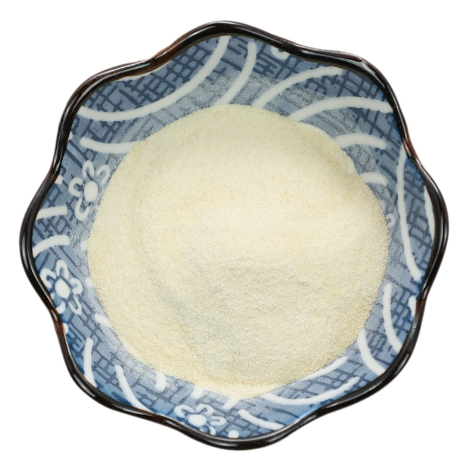
Pepsin CAS:9001-75-6 Manufacturer Price
Pepsin is a digestive enzyme found in the stomach that plays a crucial role in protein digestion. It breaks down proteins into smaller peptides by cleaving peptide bonds. This process helps in the absorption of amino acids, which are essential for various bodily functions. Pepsin is particularly active in an acidic environment, such as the stomach, and is essential for the digestion and breakdown of dietary proteins.
-
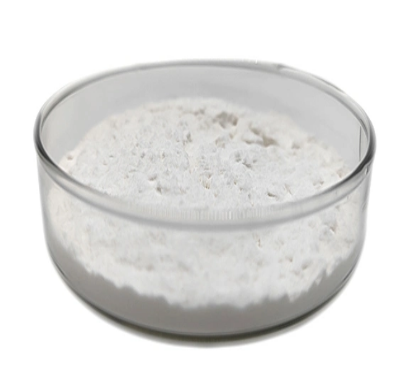
Adenine phosphate salt CAS:70700-30-0
Adenine phosphate salt, also known as adenosine monophosphate (AMP), is a nucleotide that plays a crucial role in cellular metabolism and energy storage. It is a key component of adenosine triphosphate (ATP), which serves as the primary energy currency in cells. Adenine phosphate salt is involved in various biochemical processes, including the transfer of energy during cellular respiration and the synthesis of nucleic acids.
-
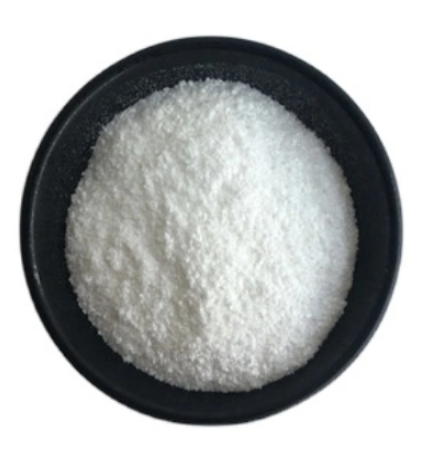
Trypsin inhibitor CAS:9035-81-8 Manufacturer Price
A trypsin inhibitor is a protein or peptide molecule that inhibits or blocks the activity of the enzyme trypsin. Trypsin is a digestive enzyme responsible for breaking down proteins in the digestive system. Trypsin inhibitors are naturally occurring compounds found in various plant and animal sources, such as soybeans, potatoes, and eggs. They play a role in regulating trypsin activity and can have potential applications in research, as well as in industries like food processing, agriculture, and pharmaceuticals.
-
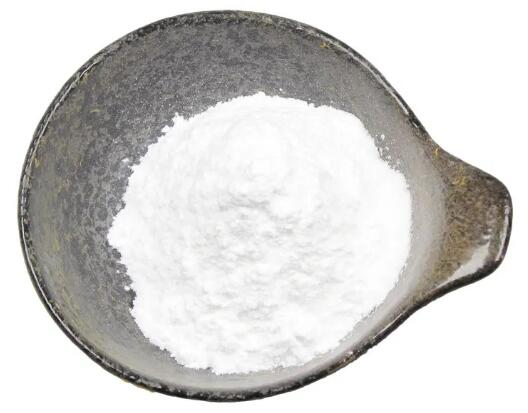
Pepstatin CAS:26305-03-3 Manufacturer Price
Pepstatin is a potent and selective inhibitor of aspartic proteases. It specifically targets enzymes called pepsins, which play a key role in the digestion of proteins in the stomach. By inhibiting pepsins, pepstatin can reduce the breakdown of proteins, leading to a decrease in the production of gastric acid. This makes pepstatin a useful tool in both research applications and potentially in the treatment of certain gastric disorders.
-
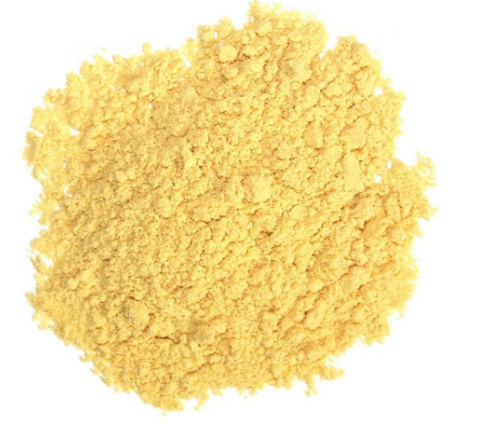
NADH disodium salt, trihydrate, reduced CAS:606-68-8
NADH, disodium salt is the disodium salt form of Nicotinamide Adenine Dinucleotide (NADH). NADH is a coenzyme found in all living cells and plays a crucial role in cellular metabolism. It is involved in redox reactions, acting as a co-substrate for a wide range of enzymes, particularly those involved in energy production.
NADH, disodium salt is commonly used in research and applications related to enzymology, cellular respiration, and the study of metabolic pathways. It can be utilized as a cofactor in enzymatic reactions, facilitating the transfer of electrons and the conversion of substrates. NADH, disodium salt is also used in various biochemical assays to measure enzyme activity, as it can be easily detected spectrophotometrically.

