-
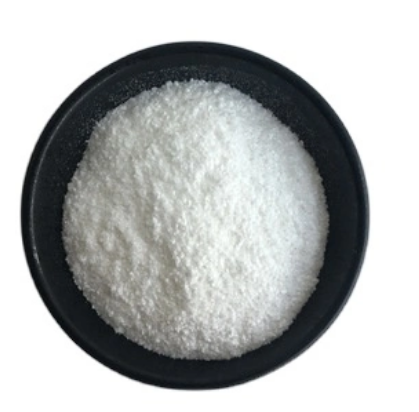
L-Methionine CAS:63-68-3 Manufacturer Price
L-Methionine is an essential amino acid that is not naturally produced by the human body, which means it must be obtained through diet or supplementation. It plays a crucial role in various biological processes, including protein synthesis, methylation reactions, and the production of other important molecules such as glutathione.
As a dietary supplement, L-Methionine is commonly used to support liver health and assist in the detoxification of harmful substances. It is also believed to promote healthy skin, hair, and nails due to its involvement in collagen synthesis.
Additionally, L-Methionine may aid in managing certain medical conditions, such as copper poisoning and acetaminophen (paracetamol) overdose, where it acts as a precursor to glutathione, a powerful antioxidant.
-
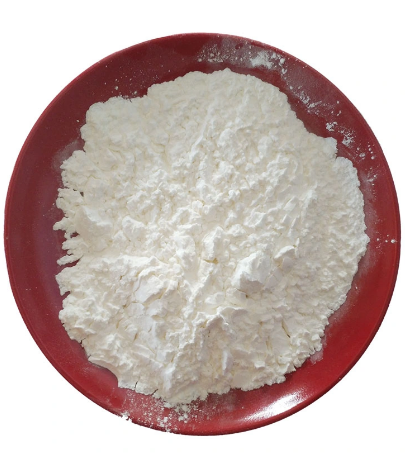
L-Serine CAS:56-45-1 Manufacturer Price
L-Serine is a non-essential amino acid that plays important roles in the body. It is involved in the synthesis of proteins and neurotransmitters, including glycine and D-serine. L-Serine is also a precursor for the production of phospholipids, which are vital components of cell membranes. Additionally, L-Serine helps support immune function, aids in the formation of collagen and connective tissues, and plays a role in the metabolism of fatty acids and carbohydrates.
-
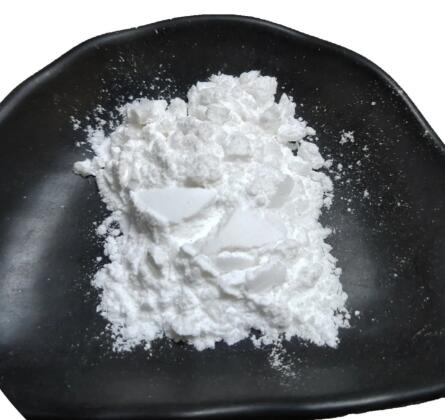
Glutathione oxidized CAS:27025-41-8
Glutathione oxidized is the disulfide form of the naturally occurring antioxidant compound glutathione. It plays a crucial role in maintaining cellular health and protecting cells from oxidative damage. Glutathione oxidized is formed when glutathione becomes oxidized through the loss of electrons. It serves as a recycling agent for reduced glutathione and helps maintain the balance between the oxidized and reduced forms of glutathione in the body. Glutathione oxidized is involved in various biological processes, such as detoxification, immune system function, and regulation of cellular redox status. It is also used in some cosmetic and skincare products for its potential skin-lightening and anti-aging effects.
-
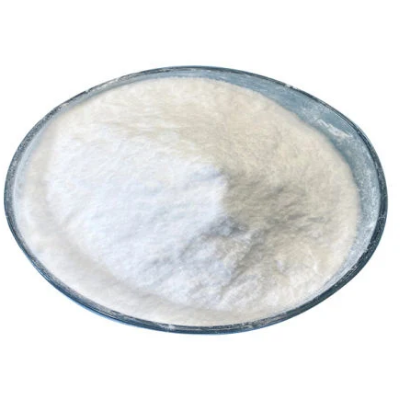
L-Valine CAS:72-18-4 Manufacturer Price
L-Valine is an essential branched-chain amino acid (BCAA) that plays a crucial role in protein synthesis and muscle repair. It is one of the three BCAAs along with L-Leucine and L-Isoleucine. L-Valine is primarily used by the body as an energy source during intense exercise and helps maintain nitrogen balance in the muscles. It also supports the growth and maintenance of muscle tissue, aids in post-workout recovery, and may have potential benefits for endurance and athletic performance. L-Valine is commonly found in protein-rich foods such as meat, dairy, legumes, and grains.
-
Glutathione reduced CAS:70-18-8
Glutathione reduced, also known as GSH, is a powerful antioxidant that supports cellular function, detoxification, immune health, and energy production. It plays a vital role in protecting cells from damage, removing toxins from the body, supporting the immune system, promoting cellular repair, and enhancing overall well-being. It is commonly used in skincare products for its potential benefits in maintaining healthy skin.
-
Glycylglycine CAS:556-50-3 Manufacturer Price
Glycylglycine is a dipeptide that consists of two glycine molecules linked together by a peptide bond. It is classified as a non-essential amino acid, which means that it can be synthesized by the body and is not necessarily required through dietary sources.
Glycylglycine plays several important roles in the body. It is involved in protein and peptide synthesis, as it serves as a building block for the formation of longer amino acid chains. It also functions as a neurotransmitter precursor, participating in the synthesis of neurotransmitters like glycine and serotonin, which are essential for nervous system function.
Furthermore, glycylglycine acts as a buffering agent and helps regulate the pH balance in bodily fluids. It can bind to excess hydrogen ions (H+) to maintain proper acid-base equilibrium, ensuring that the body’s internal environment remains stable.
Glycylglycine is commonly used in research laboratories and pharmaceutical applications. It has been studied for its potential therapeutic effects, including its role in wound healing, tissue repair, and skin hydration. Additionally, it has been investigated for its antioxidant properties and its ability to scavenge harmful free radicals in the body.
-
L-(+)-Lactic acid lithium salt CAS:27848-80-2
L-(+)-Lactic acid lithium salt is a chemical compound formed by the reaction of L-(+)-lactic acid with lithium hydroxide. It is commonly used as a chiral auxiliary in organic synthesis and as a catalyst in various chemical reactions. The compound is typically a white crystalline solid and is soluble in water and polar solvents. It is known for its ability to promote enantioselectivity, making it useful in the production of pharmaceuticals and other fine chemicals.
-
DL-Methionine CAS:59-51-8 Manufacturer Price
DL-Methionine is a synthetic form of the amino acid methionine. It is commonly used as a dietary supplement and feed additive in animal nutrition. DL-Methionine provides the essential amino acid methionine, which plays important roles in protein synthesis, liver function, antioxidant activity, and the health of the skin, hair, and nails. It can also be used as a chelating agent for copper poisoning and as an antidote for acetaminophen overdose.
-
Acetylthiocholine iodide CAS:1866-15-5
Acetylthiocholine iodide is a chemical compound commonly used in biochemical research as a substrate for the enzyme acetylcholinesterase. It is a derivative of acetylcholine with a sulfur atom substituted for the oxygen atom present in the parent compound. Acetylthiocholine iodide is extensively used in enzyme assays and studies involving cholinergic processes in the nervous system. Its iodide salt form enhances its solubility in aqueous solutions, making it easier to work with in laboratory settings.
-
beta-D-Glucose 6-phosphate monosodium salt anhydrous CAS:54010-71-8
beta-D-Glucose 6-phosphate monosodium salt anhydrous is a chemical compound that belongs to the family of glucose phosphates. It is a derivative of glucose, where a phosphate group is attached to the 6th carbon atom of the glucose molecule. Additionally, it contains a monosodium salt form, which means it has a sodium ion associated with it.
This compound is an important intermediate in various metabolic pathways, especially in carbohydrate metabolism. It plays a crucial role in the metabolism of glucose, where it is involved in the breakdown of glucose for energy production or the synthesis of glycogen and other complex carbohydrates.
The monosodium salt form of beta-D-Glucose 6-phosphate enhances the solubility and stability of the compound, making it more suitable for various research and industrial applications. Due to its involvement in key metabolic processes, it is frequently used in biochemical and enzymatic studies, as well as in the production of pharmaceuticals, food additives, and other chemical compounds.
-
Evodia Rutaecarpa PE CAS:2420-56-6 Manufacturer Supplier
Evodiamine is a naturally occurring indole alkaloid, being the main bioactive component of Evodia rutaecarpa. It has various kinds of pharmacological activities including anti-tumor, protecting the heart, causing weight loss and anti-inflammatory, analgesic and anti-senile dementia. Evodiamine, as a natural anti-cancer drug, can inhibit the proliferation of a variety of tumor cells, including cervical cancer, colon cancer, lung cancer, melanoma, T lymphocytic leukemia, prostate cancer and breast cancer.
-
Chondroitin Sulfate CAS:9007-28-7 Manufacturer Supplier
Chondroitin sulfate is a mixture of acid mucopolysaccharides extracted from the cartilage of pigs, cattle, chicken, and shark cartilage. According to their differences in chemical composition and structure, it is divided into A, B, C, D, E, F, H, etc. It mainly contains mucopolysaccharides such as chondroitin sulfate A and chondroitin sulfate C. Both chondroitin sulfate A and C contain D-glucuronic acid and 2-hydroperoxy group-deoxy-D-galactose, and contain equal amounts of acetyl and sulfuric acid residue. The only difference between them is the different position of sulfuric acid ester on the hexosamine residues.