-
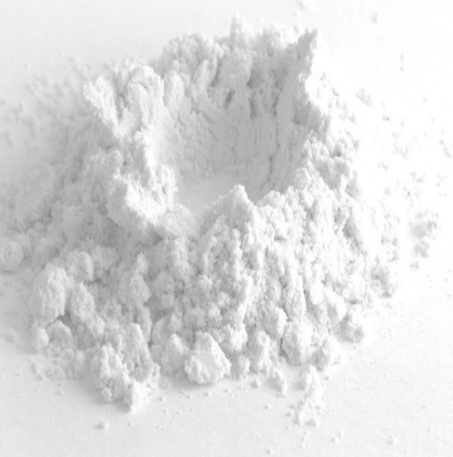
Vitamin E CAS:2074-53-5 Manufacturer Price
Vitamin E feed grade is a high-quality supplement used in animal feed to provide essential nutrients to animals. It plays a vital role in promoting immune function, antioxidant protection, reproductive health, and muscle development. By adding vitamin E to animal feed, it supports overall animal health and well-being, enhancing their immunity, fertility, and performance.
-
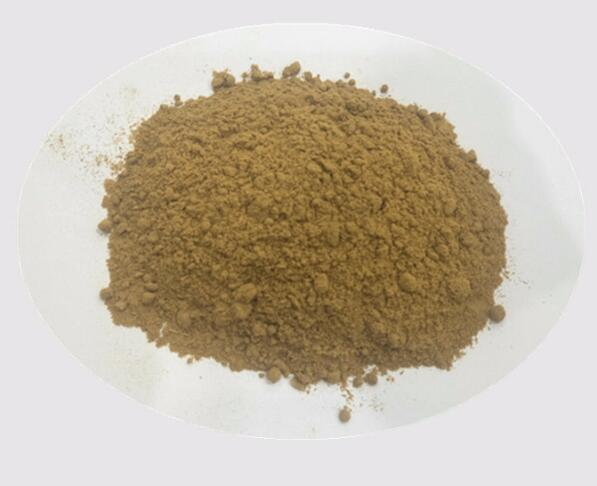
Silymarin CAS:65666-07-1 Manufacturer Price
Silymarin feed grade is a natural extract derived from the milk thistle plant and used in animal feed. It is known for its hepatoprotective properties, helping to protect and support the liver. It also acts as an antioxidant, anti-inflammatory agent, and may aid in detoxification and promoting gut health in animals.
-
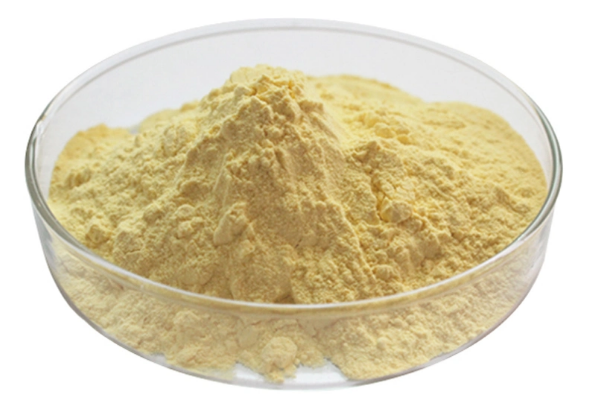
Furazolidone CAS:67-45-8 Manufacturer Price
Furazolidone feed grade is a veterinary medication used in animal feed to prevent and treat bacterial, protozoal, and fungal infections. It has broad-spectrum activity, making it effective against a wide range of pathogens. The medication is typically administered through animal feed or drinking water.
-
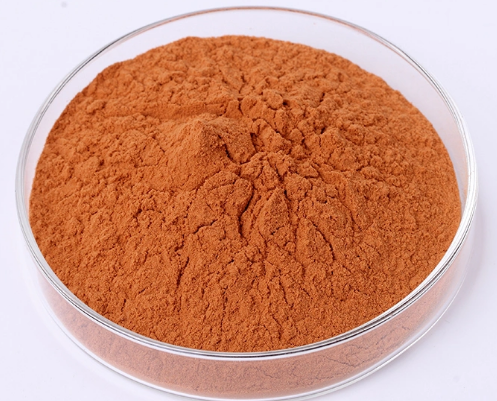
Green Tea Extract CAS:84650-60-2
Green Tea Extract feed grade is a natural additive derived from green tea leaves that is used in animal feed. It is known for its antioxidant properties, promoting growth, improving gut health, supporting the immune system, reducing inflammation, and reducing stress in animals. When used in appropriate dosages, it can provide numerous health benefits for animals.
-
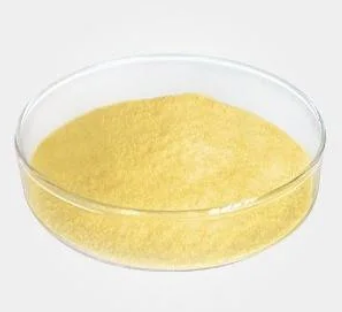
Oxyclozanide CAS:2277-92-1 Manufacturer Price
Oxyclozanide feed grade is a veterinary medication used in livestock animals to control and treat certain types of internal parasites. It is primarily effective against liver flukes and gastrointestinal roundworms.
The medication is usually administered orally by incorporating it into animal feed at the appropriate dosage, as determined by the animal’s weight and the specific parasites being targeted. It is essential to follow the instructions provided by the manufacturer or seek guidance from a veterinarian to ensure correct dosage and administration.
When animals consume feed containing oxyclozanide, the medication is absorbed into their digestive system. It then reaches the liver and gastrointestinal tract, where it exerts its anthelmintic effect. Oxyclozanide works by affecting the metabolism and energy production of parasites, leading to their death and subsequent elimination from the animal’s body through feces.
-
Vitamin H CAS:58-85-5 Manufacturer Price
Metabolic functions: Vitamin H plays a crucial role in the metabolism of carbohydrates, fats, and protein. It acts as a cofactor for several enzymes involved in these metabolic processes. By supporting efficient energy production and nutrient utilization, vitamin H helps animals maintain optimal growth, development, and overall health.
Skin, hair, and hoof health: Vitamin H is well-known for its positive effects on the skin, hair, and hooves of animals. It promotes the synthesis of keratin, a protein that contributes to the strength and integrity of these structures. Vitamin H supplementation can improve coat condition, reduce skin disorders, prevent hoof abnormalities, and enhance overall appearance in livestock and companion animals.
Reproduction and fertility support: Vitamin H is essential for reproductive health in animals. It influences hormone production, follicle development, and embryonic growth. Adequate vitamin H levels can improve fertility rates, reduce the risk of reproductive disorders, and support the healthy development of offspring.
Digestive health: Vitamin H is involved in maintaining a healthy digestive system. It aids in the production of digestive enzymes that break down food and promote nutrient absorption. By supporting proper digestion, vitamin H contributes to optimal gut health and reduces the risk of digestive issues in animals.
Strengthening immune function: Vitamin H plays a role in supporting immune function and enhancing animal resistance to diseases. It helps in the production of antibodies and supports the activation of immune cells, aiding in a strong defense against pathogens.
-
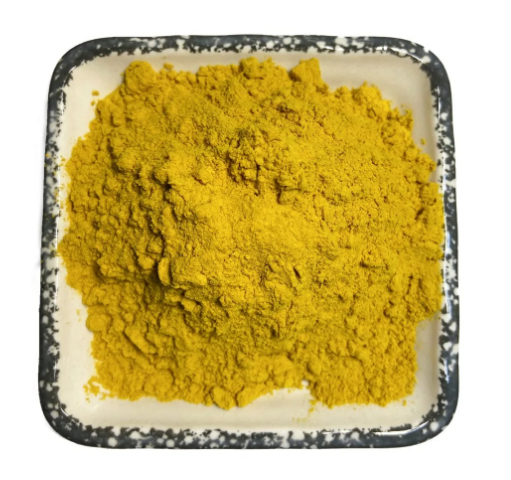
Sulfachloropyridazine CAS:80-32-0 CAS:2058-46-0
Sulfachloropyridazine feed grade is an antibacterial medication commonly used in animal feed to prevent and treat various bacterial infections. It belongs to the sulfonamide group of antibiotics and is effective against a wide range of Gram-positive and Gram-negative bacteria. Sulfachloropyridazine feed grade is used in the livestock industry to promote animal health and improve feed efficiency. It works by inhibiting the growth of bacteria, thus reducing the risk of infection and improving overall animal welfare.
-
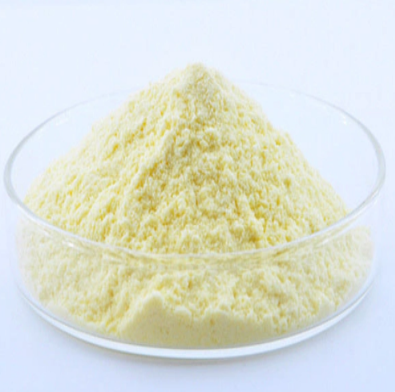
Isovanillin CAS:621-59-0 Manufacturer Price
Isovanillin feed grade is a synthetic compound used as a flavoring agent in animal feed. It is derived from vanillin, which is primarily obtained from vanilla beans. Isovanillin imparts a sweet and vanilla-like aroma and taste to animal feed, making it more palatable for animals.
The main applications of isovanillin feed grade include:
Enhanced taste and feed intake: Isovanillin enhances the flavor of animal feed, making it more appealing to animals. This can help stimulate their appetite and increase feed intake, leading to better nutrition and overall health.
Masking unpleasant odors and tastes: Some ingredients used in animal feed may have strong or unpleasant odors and tastes. Isovanillin can help mask these undesirable attributes, making the feed more pleasant for animals to consume.
Encouraging feed conversion: By improving the taste and palatability of animal feed, isovanillin can help promote better feed conversion efficiency. This means that animals can convert the feed into energy and nutrients more effectively, leading to improved growth and performance.
-
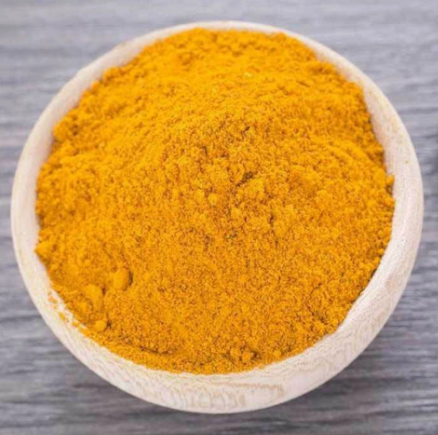
Lutein CAS:57-83-0 Manufacturer Price
Lutein feed grade is a natural additive derived from marigold flowers that is used in animal feed. It is a type of carotenoid pigment and is known for its important role in supporting eye health. Lutein is not synthesized by animals, so it must be obtained through their diet. It is commonly added to animal feed to enhance the color of egg yolks and poultry skin, as well as to support overall eye health in animals. Lutein feed grade provides animals with an essential nutrient that plays a crucial role in maintaining their visual function.
-
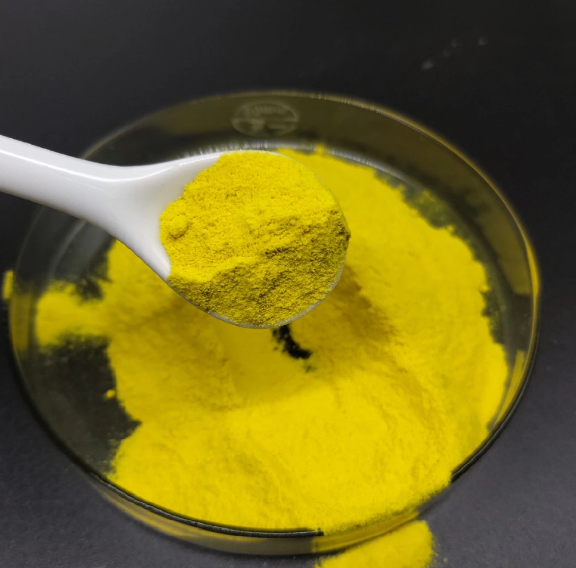
Oxytetracycline HCL/Base CAS:2058-46-0
Oxytetracycline hydrochloride feed grade is an antibiotic feed additive commonly used in livestock and poultry production. It belongs to the tetracycline group of antibiotics and is effective against a broad range of bacteria, including both Gram-positive and Gram-negative species.
When added to animal feed, oxytetracycline hydrochloride helps control and prevent bacterial infections in animals. It works by inhibiting bacterial protein synthesis, thereby slowing down or stopping the growth of susceptible bacteria.
Oxytetracycline hydrochloride can be used to treat respiratory and intestinal infections, as well as other bacterial diseases in animals. It is particularly effective against some common pathogens that cause respiratory diseases, such as Pasteurella, Mycoplasma, and Haemophilus.
-
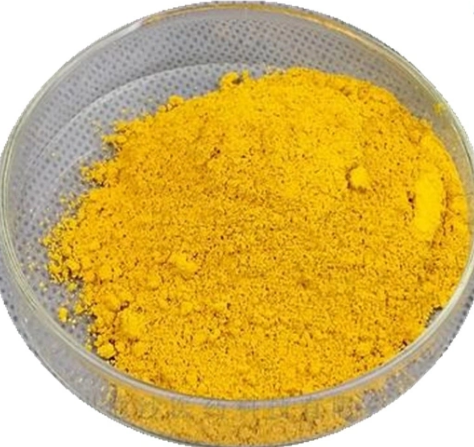
Vitamin K3 CAS:58-27-5 Manufacturer Price
Vitamin K3 feed grade, also known as menadione sodium bisulfite or MSB, is a synthetic form of vitamin K. It is commonly used as a supplement in animal feed to support blood coagulation, bone health, immune system function, and gut health. It helps animals maintain proper blood clotting, supports bone formation, acts as an antioxidant, enhances immune response, and potentially improves digestion and nutrient absorption. Vitamin K3 feed grade is added to animal feed formulations at the recommended dosage based on species, age, weight, and nutritional requirements. It contributes to the overall health and well-being of animals.
-
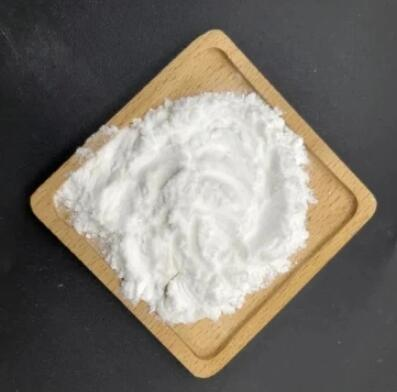
Thiabendazole CAS:148-79-8
Thiabendazole feed grade is a form of thiabendazole that is used in animal feed to prevent and treat fungal infections. It is a broad-spectrum antifungal agent that can effectively control various fungal organisms that may impact animal health. Thiabendazole feed grade is typically added to animal feed in specific concentrations to ensure its efficacy and safety for the animals consuming it. It helps to maintain the overall well-being and performance of livestock by preventing and treating fungal infections that can cause health issues.

