-
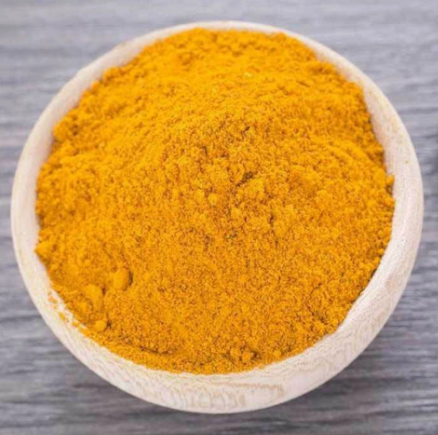
Lutein CAS:57-83-0 Manufacturer Price
Lutein feed grade is a natural additive derived from marigold flowers that is used in animal feed. It is a type of carotenoid pigment and is known for its important role in supporting eye health. Lutein is not synthesized by animals, so it must be obtained through their diet. It is commonly added to animal feed to enhance the color of egg yolks and poultry skin, as well as to support overall eye health in animals. Lutein feed grade provides animals with an essential nutrient that plays a crucial role in maintaining their visual function.
-
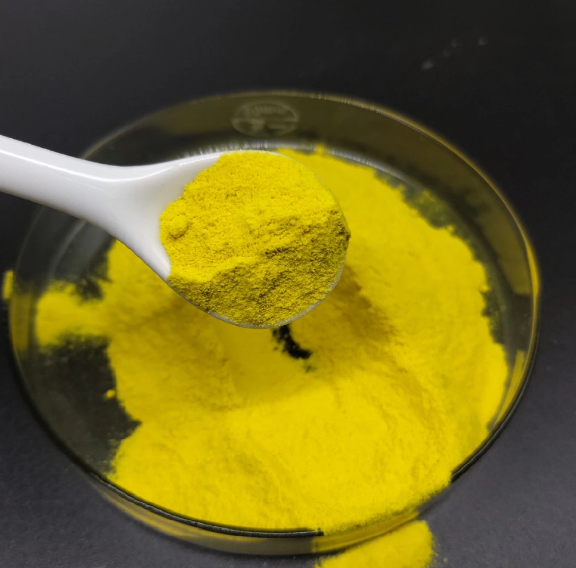
Oxytetracycline HCL/Base CAS:2058-46-0
Oxytetracycline hydrochloride feed grade is an antibiotic feed additive commonly used in livestock and poultry production. It belongs to the tetracycline group of antibiotics and is effective against a broad range of bacteria, including both Gram-positive and Gram-negative species.
When added to animal feed, oxytetracycline hydrochloride helps control and prevent bacterial infections in animals. It works by inhibiting bacterial protein synthesis, thereby slowing down or stopping the growth of susceptible bacteria.
Oxytetracycline hydrochloride can be used to treat respiratory and intestinal infections, as well as other bacterial diseases in animals. It is particularly effective against some common pathogens that cause respiratory diseases, such as Pasteurella, Mycoplasma, and Haemophilus.
-
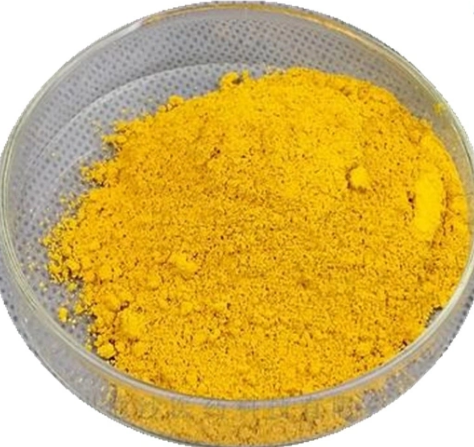
Vitamin K3 CAS:58-27-5 Manufacturer Price
Vitamin K3 feed grade, also known as menadione sodium bisulfite or MSB, is a synthetic form of vitamin K. It is commonly used as a supplement in animal feed to support blood coagulation, bone health, immune system function, and gut health. It helps animals maintain proper blood clotting, supports bone formation, acts as an antioxidant, enhances immune response, and potentially improves digestion and nutrient absorption. Vitamin K3 feed grade is added to animal feed formulations at the recommended dosage based on species, age, weight, and nutritional requirements. It contributes to the overall health and well-being of animals.
-
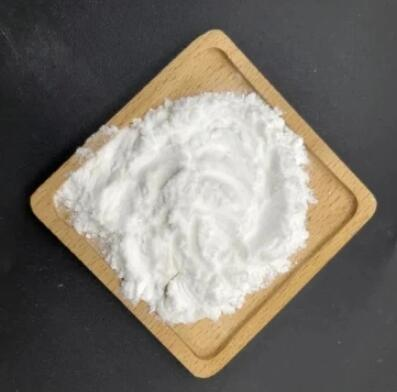
Thiabendazole CAS:148-79-8
Thiabendazole feed grade is a form of thiabendazole that is used in animal feed to prevent and treat fungal infections. It is a broad-spectrum antifungal agent that can effectively control various fungal organisms that may impact animal health. Thiabendazole feed grade is typically added to animal feed in specific concentrations to ensure its efficacy and safety for the animals consuming it. It helps to maintain the overall well-being and performance of livestock by preventing and treating fungal infections that can cause health issues.
-
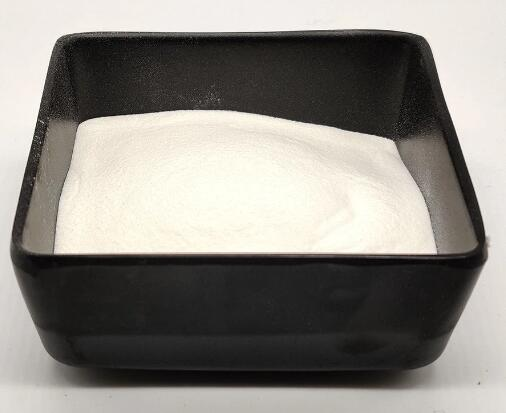
Ivermectin CAS:70288-86-7 Manufacturer Price
Ivermectin feed grade is a veterinary drug commonly used in animal feed to control and treat parasitic infestations in farm animals. It is particularly effective against internal and external parasites such as worms, mites, and lice.
Ivermectin feed grade works by interfering with the nerve impulses of these parasites, ultimately causing their paralysis and death. This results in improved animal health, increased productivity, and reduced transmission of parasites within livestock populations.
-
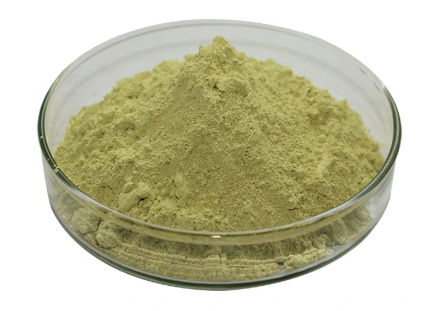
Quercetin CAS:117-39-5 Manufacturer Price
Quercetin feed grade is a natural compound derived from plants that is used in animal feed for its beneficial effects. It has anti-inflammatory properties, acts as an antioxidant to protect cells, supports immune system function, promotes digestive health, and may help alleviate stress in animals. It is included in animal feed at specific dosages and can be sourced from plant extracts or in purified forms. Quercetin feed grade aims to improve animal health, well-being, and performance.
-
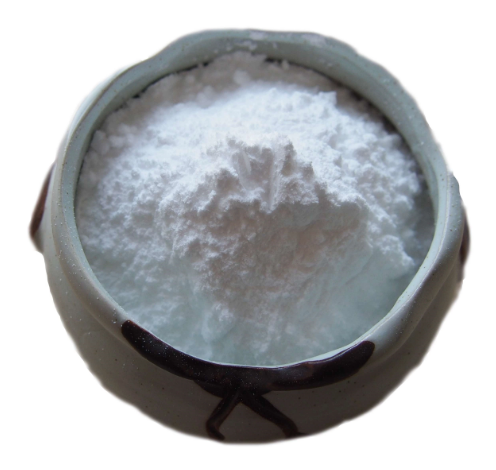
Parbendazole CAS:14255-87-9 Manufacturer Price
Parbendazole is a broad-spectrum anthelmintic (anti-parasitic) drug that is commonly used in veterinary medicine for the treatment and control of parasitic infections in animals. The “feed grade” designation indicates that the drug is specifically formulated and approved for use in animal feed to target internal parasites, such as worms, in livestock and poultry. It can help prevent infestations, reduce the spread of parasites, and promote the overall health and well-being of the animals.
-
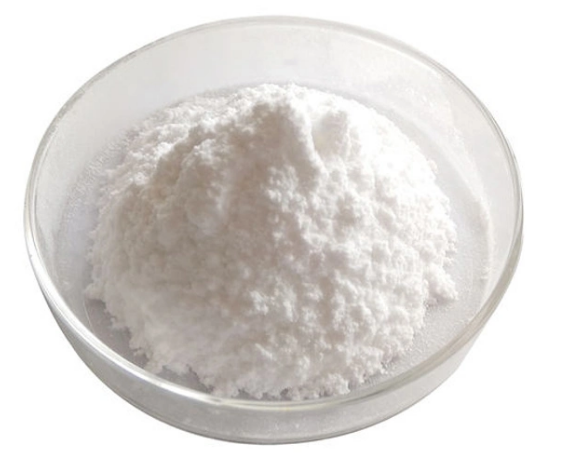
Avermectin CAS:71751-41-2 Manufacturer Price
Avermectin feed grade is a medication commonly used in animal agriculture to control and prevent parasites in livestock. It is effective against a wide range of internal and external parasites, such as worms, mites, lice, and flies. Avermectin feed grade is administered through animal feed or supplements and helps improve animal health and productivity.
-
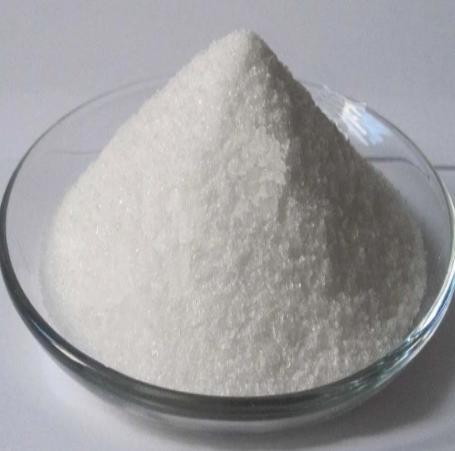
Azamethiphos CAS:35575-96-3 Manufacturer Price
Azamethiphos feed grade is an insecticide commonly used in animal agriculture to control and eliminate various pests. It is effective against a range of insects, including flies, beetles, and cockroaches.
Azamethiphos is typically applied by mixing it into animal feed or supplements. The dosage is determined based on the weight and type of animal being treated. The insecticide works by targeting the nervous system of the pests, leading to their paralysis and eventual death.
The use of Azamethiphos in animal agriculture helps prevent infestations and maintain the health and well-being of the animals. By controlling pest populations, it ensures a clean and hygienic environment for the animals, reducing the risk of disease transmission and improving overall productivity.
-
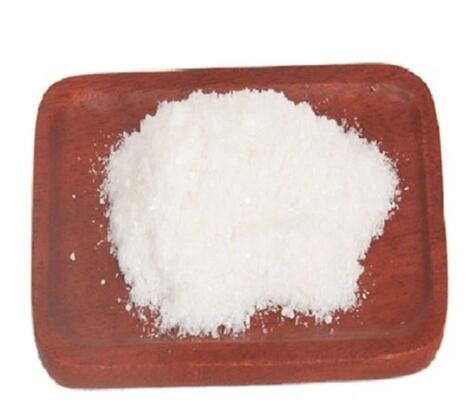
Amoxicillin CAS:26787-78-0 Manufacturer Price
Amoxicillin feed grade is an antibiotic commonly used in animal agriculture to prevent and treat bacterial infections in livestock and poultry. It belongs to the penicillin class of antibiotics and is effective against a wide range of bacteria.
When administered in animal feed, amoxicillin feed grade works by inhibiting the growth and replication of bacteria, helping to control and eliminate infections. It is particularly effective against Gram-positive bacteria, which are common causes of respiratory, gastrointestinal, and urinary tract infections in animals.
-
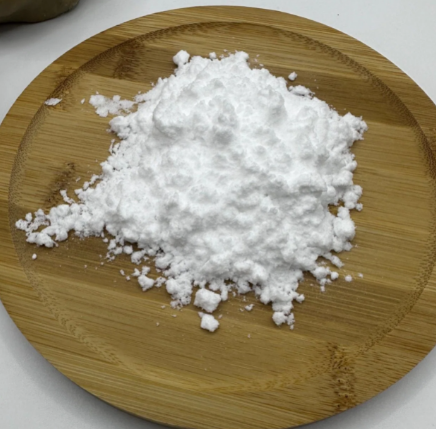
Vitamin B5 CAS:137-08-6 Manufacturer Price
Vitamin B5 feed grade, also known as pantothenic acid, is a vital nutrient used in animal feed to support growth, metabolism, and overall health. It plays a critical role in energy production, hormone synthesis, and nervous system function. Adding Vitamin B5 to animal diets helps optimize nutrient utilization, reduce stress, improve skin and coat health, and enhance reproductive performance. It is essential to meet animals’ Vitamin B5 requirements to prevent deficiencies and promote optimal well-being in livestock and poultry.
-
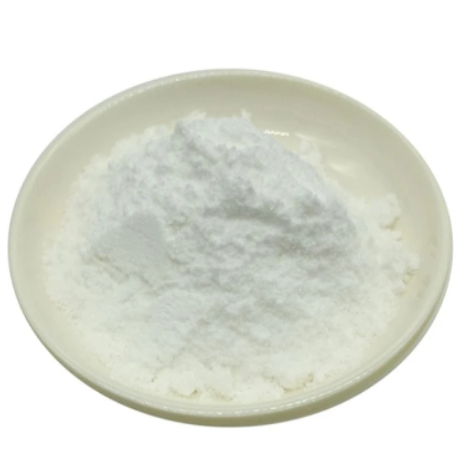
Vitamin B6 CAS:8059-24-3 Manufacturer Price
Feed-grade vitamin B6 is a synthetic form of vitamin B6, also known as pyridoxine, that is specifically formulated for use in animal feed. It is commonly added to animal feed to supplement the diets of livestock and poultry, as it plays a crucial role in many biological processes.Vitamin B6 is essential for the metabolism of amino acids, the building blocks of protein, and contributes to the synthesis of neurotransmitters and red blood cells. It also supports the immune system, helps maintain healthy skin and coat, and promotes overall growth and development in animals.Feed-grade vitamin B6 typically comes in the form of a powder or liquid and is incorporated into animal feed formulations at recommended levels to ensure that animals receive adequate amounts of this important nutrient. It is important to follow the recommended dosage guidelines provided by the manufacturer or a veterinarian to ensure proper supplementation and avoid any potential negative effects.