-
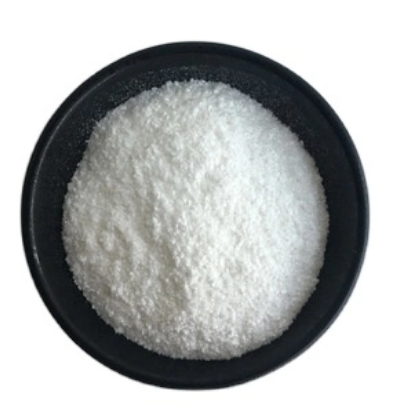
Cellulase CAS:9012-54-8
Cellulase is made from the strain of Trichoderma reesi through cultivation and extraction technique. This product can be used for feedstuff, brewing, grain processing, treatment of textiles with cotton, , stick gum or yarn as plus material and Lyocell fabric. It can also be used for the stonewash of jean garments together with pumice, or solely used for the ferment washing of different styles of jean fabric.
-
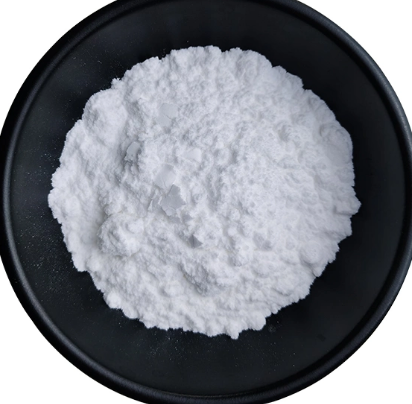
Lysozyme CAS:12650-88-3 Manufacturer Price
Lysozyme feed grade is a naturally occurring enzyme derived from egg white, which has been specially formulated for use as a feed additive in animal nutrition. It acts as an effective antimicrobial agent, helping to prevent the growth of harmful bacteria in the animal’s digestive system. By promoting gut health, lysozyme feed grade aids in improving feed efficiency and overall animal health. It is commonly used in poultry, aquaculture, and swine industries as a safe and natural alternative to antibiotics.
-
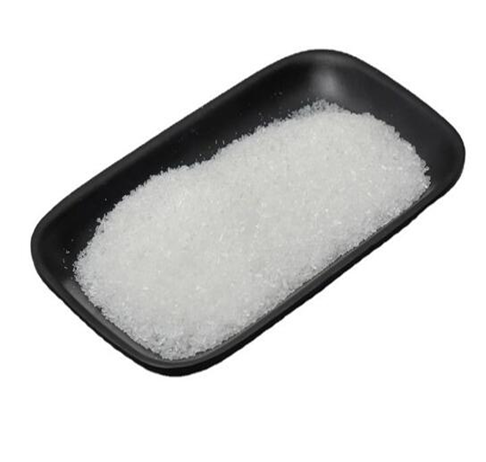
Diammonium Phosphate (DAP) CAS:7783-28-0
Diammonium Phosphate (DAP) feed grade is a commonly used phosphorus and nitrogen fertilizer that can also be used as a nutritional supplement in animal feed. It is composed of ammonium and phosphate ions, providing both essential nutrients for animal growth and development.
DAP feed grade typically contains a high concentration of phosphorus (around 46%) and nitrogen (around 18%), making it a valuable source of these nutrients in animal nutrition. Phosphorus is vital for various physiological functions, including bone formation, energy metabolism, and reproduction. Nitrogen plays a crucial role in protein synthesis and overall growth.
When incorporated into animal feed, DAP feed grade can help meet the phosphorus and nitrogen requirements of livestock and poultry, promoting healthy growth, reproduction, and overall productivity.
It is important to consider the specific nutritional needs of the animals and work with a qualified nutritionist or veterinarian to determine the appropriate inclusion rate of DAP feed grade in the feed formulation.
-
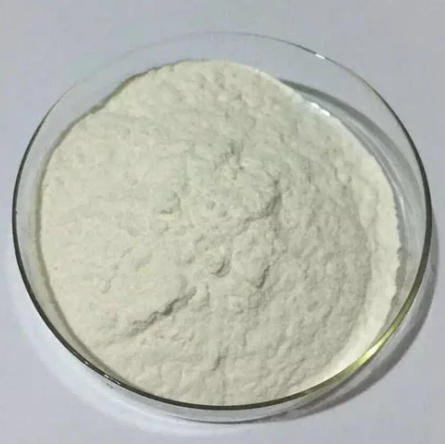
Mannanase CAS:60748-69-8
MANNANASE is an endo-mannanase preparation designed to hydrolyze the mannan, gluco-mannan and galacto-mannan in plant feed ingredients, releasing and making available the trapped energy and proteins. Through the submerged liquid fermentation production process as well as the comprehensive application of after-treatment technologies, Because of the high enzyme activity, the various preparations as well as their high efficiency these products can meet different needs. MANNANASE allows maximized use of nutrient dense, lower priced plant feed ingredients without the negative effects previously encountered.
-
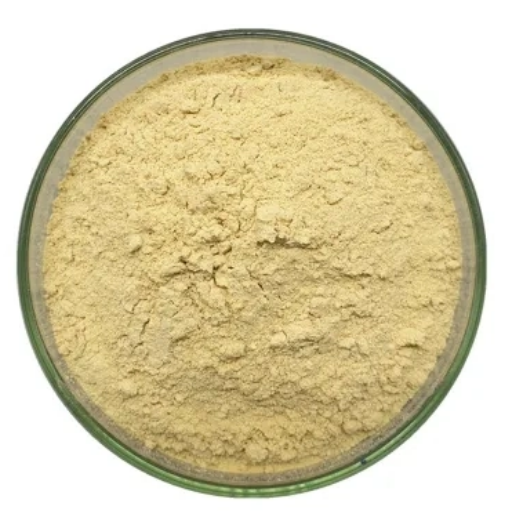
Vitamin A Acetate CAS:127-47-9
Vitamin A Acetate feed grade is a form of vitamin A that is specifically formulated for use in animal feed. It is commonly used to supplement animal diets and ensure adequate levels of vitamin A, which is essential for various physiological functions.Vitamin A is important for optimal growth, reproduction, and the overall health of animals. It plays a crucial role in vision, immune system function, and the maintenance of healthy skin and mucous membranes. Additionally, vitamin A is necessary for proper bone development and is involved in gene expression and cell differentiation.Vitamin A Acetate feed grade is typically supplied as a fine powder or in the form of a premix, which can be easily blended into animal feed formulations. The usage and recommended dosage may vary depending on the specific animal species, age, and nutritional requirements.Supplementing animal diets with Vitamin A Acetate feed grade helps to prevent vitamin A deficiency, which can lead to a range of health issues such as poor growth, compromised immune function, reproductive problems, and susceptibility to infections. Regular monitoring of vitamin A levels and consultation with a veterinarian or animal nutritionist is recommended to ensure proper supplementation and to meet the specific needs of the animals.
-
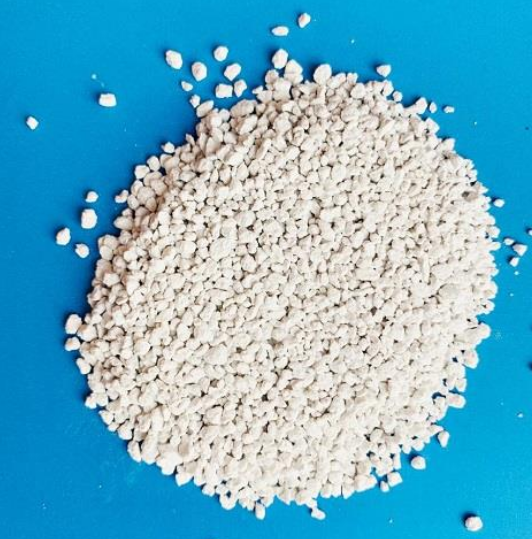
Dicalcium Phosphate (DCP) CAS:7757-93-9
Dicalcium Phosphate (DCP) is a feed grade supplement commonly used in animal feed formulations. It is a highly bioavailable source of phosphorus and calcium, essential nutrients for proper growth, bone development, and overall animal health. DCP feed grade is produced through the reaction of calcium carbonate and phosphate rock, resulting in a white to light gray powder. It is typically added to livestock and poultry feeds to ensure optimal nutrient balance and promote improved feed utilization and productivity. DCP feed grade is considered safe and effective in meeting the dietary requirements of various animal species, including poultry, swine, cattle, and aquaculture.
-
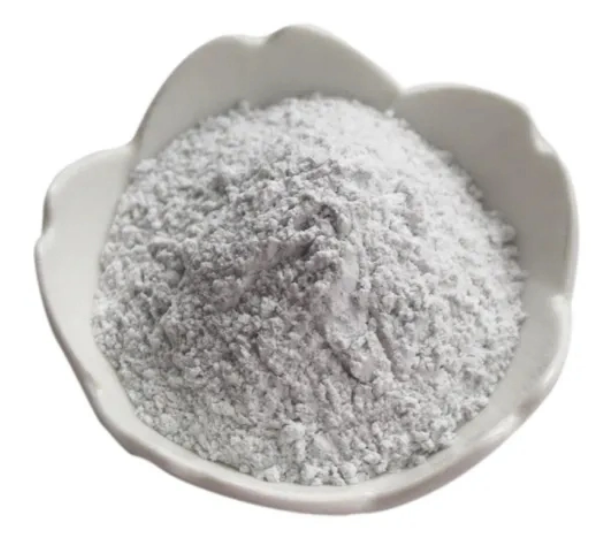
Monopotassium Phosphate (MKP) CAS:7778-77-0
Potassium dihydrogen phosphate monohydrate (KH2PO4·H2O) is a white crystalline compound that is commonly used as a fertilizer, food additive, and buffering agent in various industrial applications. It is also known as monopotassium phosphate or MKP.
-
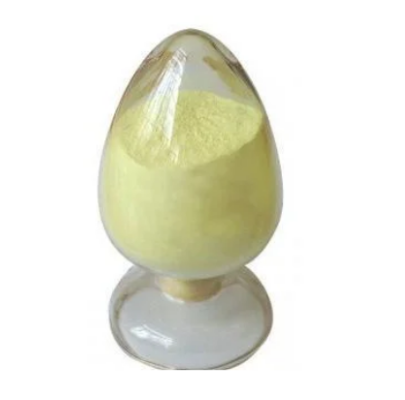
Vitamin A Palmitate CAS:79-81-2
Vitamin A Palmitate feed grade is a form of vitamin A that is used in animal feed to provide animals with essential vitamin A supplementation. It is commonly used in livestock production, including poultry, swine, cattle, and aquaculture, as well as in pet food production. Vitamin A Palmitate is important for promoting growth and development, supporting vision and eye health, enhancing reproductive performance, boosting the immune system, and maintaining healthy skin and coat in animals. Its dosage and application may vary depending on the specific needs of the animal species and diet. Consulting with a veterinarian or animal nutritionist is advised to determine the appropriate supplementation levels for optimal animal health.
-
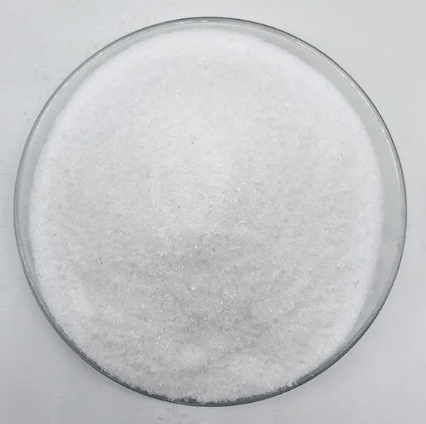
Monoammonium Phosphate (MAP) CAS:7722-76-1
Monoammonium Phosphate (MAP) feed grade is a commonly used fertilizer and nutrient supplement in animal nutrition. It is a crystalline powder that contains essential nutrients like phosphorus and nitrogen, which are crucial for animal growth, development, and overall health. MAP feed grade is known for its high solubility, making it easy to mix into animal feed and guarantee uniform distribution of nutrients. It is widely used in commercial feed manufacturing as a cost-effective source of phosphorus and nitrogen, promoting optimal growth, reproductive performance, and productivity in livestock and poultry.
-
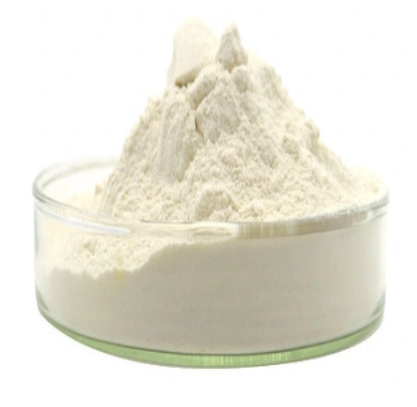
Neutral Protease CAS:9068-59-1
Neutral protease is a kind of endoprotease that is deeply fermented from selected 1398 Bacillus subtilis and refined using advanced techniques. In certain temperature and PH environment, it can decompose macromolecule proteins into polypeptide and amino acid products,and transform into unique hydrolyzed flavors. It can be used in the field of protein hydrolysis, such as food, feed, cosmetics, and nutrition areas.
-
Vitamin AD3 CAS:61789-42-2
Vitamin AD3 feed grade is a combination supplement that includes both Vitamin A (as Vitamin A palmitate) and Vitamin D3 (as cholecalciferol). It is specifically formulated for use in animal feed to provide essential vitamins necessary for growth, development, and overall health.Vitamin A is important for vision, growth, and reproduction in animals. It supports the health of skin, mucous membranes, and immune system function.Vitamin D3 plays a critical role in calcium and phosphorus absorption and utilization. It aids in bone development and maintenance, as well as ensuring proper muscle function.By combining these two vitamins in feed grade form, Vitamin AD3 offers a convenient and effective way to supplement animal diets with these essential nutrients, helping to support their overall health and well-being. The dosage and specific usage guidelines may vary depending on the animal species and their specific dietary requirements, so consulting with a veterinarian or animal nutritionist is recommended to ensure proper supplementation.
-
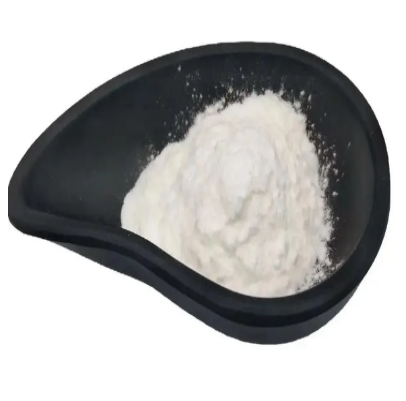
Monocalcium Phosphate (MCP) CAS:10031-30-8
Monocalcium Phosphate (MCP) feed grade is a powdered mineral supplement commonly used in animal nutrition. It is a rich source of highly bioavailable calcium and phosphorus, two essential minerals for the growth, development, and overall health of animals. MCP is easily digestible by animals and helps in maintaining the correct calcium to phosphorus ratio in their diets. By ensuring optimal nutrient balance, MCP supports skeletal strength, teeth formation, nerve function, muscle development, and reproductive performance. It is widely used in various animal feed formulations to promote healthy growth and improve feed efficiency.

