-
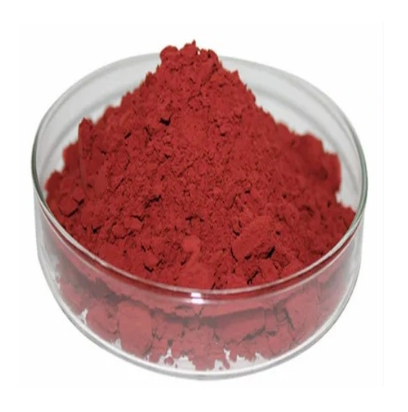
Vitamin B12 CAS:13408-78-1 Manufacturer Price
Feed-grade vitamin B12 is a crucial nutrient used in animal feed formulations. It supports energy production, red blood cell formation, nerve function, and overall growth and development in animals. It cannot be synthesized by animals and must be obtained through their diet or nutritional supplementation. Available in various forms, it is important to incorporate vitamin B12 into animal feed according to recommended guidelines provided by the manufacturer or a veterinarian.
-
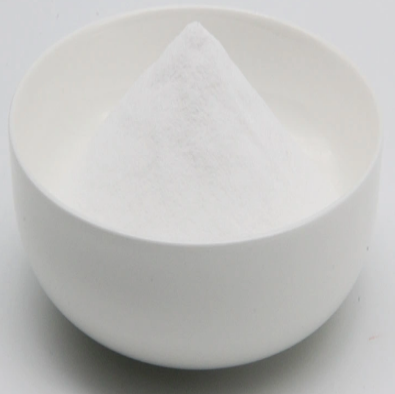
Vitamin C CAS:50-81-7 Manufacturer Price
Vitamin C feed grade is a nutrient supplement specifically designed for animals. It is a powerful antioxidant that supports the immune system, enhances collagen synthesis, aids in iron absorption, and helps animals manage stress. It is a vital component in animal feed formulations to ensure optimal health and performance.
-
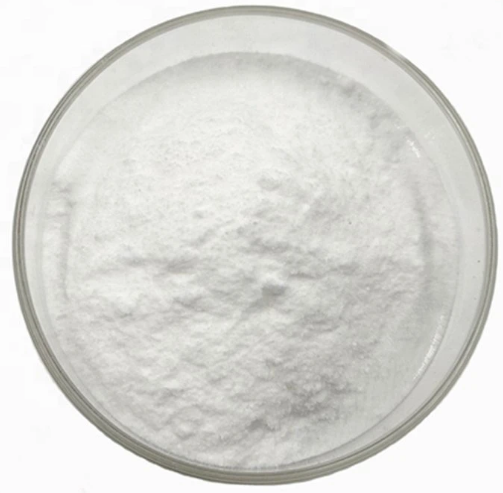
Albendazole CAS:54965-21-8 Manufacturer Price
Albendazole is a broad-spectrum anthelmintic (anti-parasitic) drug commonly used in animal feed. It is effective against various types of internal parasites, including worms, flukes, and some protozoa. Albendazole acts by interfering with the metabolism of these parasites, ultimately causing their death.
When included in feed formulations, Albendazole helps to control and prevent parasitic infestations in animals. It is commonly used in livestock, including cattle, sheep, goats, and swine. The drug is absorbed in the gastrointestinal tract and distributed throughout the animal’s body, ensuring systemic action against parasites.
-
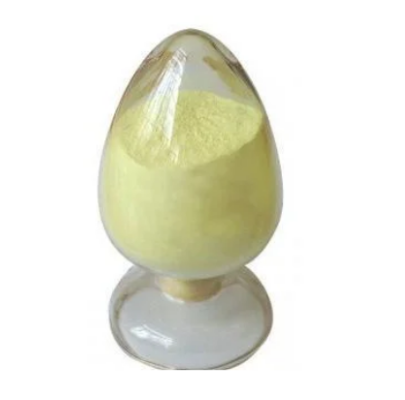
Vitamin A Palmitate CAS:79-81-2
Vitamin A Palmitate feed grade is a form of vitamin A that is used in animal feed to provide animals with essential vitamin A supplementation. It is commonly used in livestock production, including poultry, swine, cattle, and aquaculture, as well as in pet food production. Vitamin A Palmitate is important for promoting growth and development, supporting vision and eye health, enhancing reproductive performance, boosting the immune system, and maintaining healthy skin and coat in animals. Its dosage and application may vary depending on the specific needs of the animal species and diet. Consulting with a veterinarian or animal nutritionist is advised to determine the appropriate supplementation levels for optimal animal health.
-
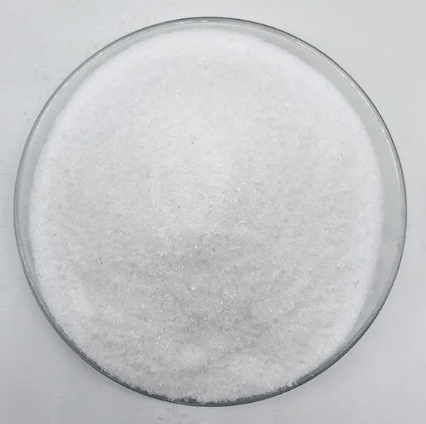
Monoammonium Phosphate (MAP) CAS:7722-76-1
Monoammonium Phosphate (MAP) feed grade is a commonly used fertilizer and nutrient supplement in animal nutrition. It is a crystalline powder that contains essential nutrients like phosphorus and nitrogen, which are crucial for animal growth, development, and overall health. MAP feed grade is known for its high solubility, making it easy to mix into animal feed and guarantee uniform distribution of nutrients. It is widely used in commercial feed manufacturing as a cost-effective source of phosphorus and nitrogen, promoting optimal growth, reproductive performance, and productivity in livestock and poultry.
-
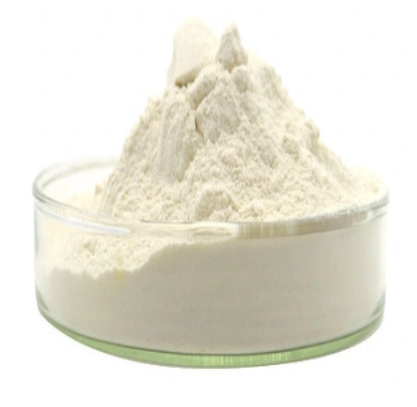
Neutral Protease CAS:9068-59-1
Neutral protease is a kind of endoprotease that is deeply fermented from selected 1398 Bacillus subtilis and refined using advanced techniques. In certain temperature and PH environment, it can decompose macromolecule proteins into polypeptide and amino acid products,and transform into unique hydrolyzed flavors. It can be used in the field of protein hydrolysis, such as food, feed, cosmetics, and nutrition areas.
-
Vitamin AD3 CAS:61789-42-2
Vitamin AD3 feed grade is a combination supplement that includes both Vitamin A (as Vitamin A palmitate) and Vitamin D3 (as cholecalciferol). It is specifically formulated for use in animal feed to provide essential vitamins necessary for growth, development, and overall health.Vitamin A is important for vision, growth, and reproduction in animals. It supports the health of skin, mucous membranes, and immune system function.Vitamin D3 plays a critical role in calcium and phosphorus absorption and utilization. It aids in bone development and maintenance, as well as ensuring proper muscle function.By combining these two vitamins in feed grade form, Vitamin AD3 offers a convenient and effective way to supplement animal diets with these essential nutrients, helping to support their overall health and well-being. The dosage and specific usage guidelines may vary depending on the animal species and their specific dietary requirements, so consulting with a veterinarian or animal nutritionist is recommended to ensure proper supplementation.
-
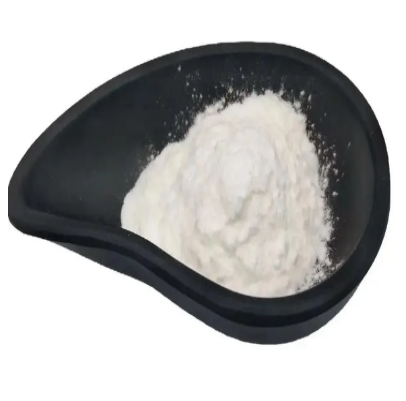
Monocalcium Phosphate (MCP) CAS:10031-30-8
Monocalcium Phosphate (MCP) feed grade is a powdered mineral supplement commonly used in animal nutrition. It is a rich source of highly bioavailable calcium and phosphorus, two essential minerals for the growth, development, and overall health of animals. MCP is easily digestible by animals and helps in maintaining the correct calcium to phosphorus ratio in their diets. By ensuring optimal nutrient balance, MCP supports skeletal strength, teeth formation, nerve function, muscle development, and reproductive performance. It is widely used in various animal feed formulations to promote healthy growth and improve feed efficiency.
-
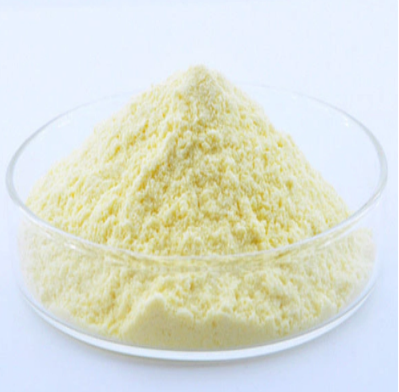
Phytase CAS:37288-11-2 Manufacturer Price
Phytase is the third generation of phytase, which is a single enzyme preparation using advanced liquid submerged fermentation technology and processed by unique aftertreatment technology. It can hydrolyze phytic acid to release inorganic phosphorus, improve the utilization rate of phosphorus in feed, and reduce the use of inorganic phosphorus sources, and promote the release and absorption of other nutrients, reducing the cost of feed formulation; At the same time, it can also reduce the emission of phosphorus in animal feces and protect the environment. It is a green and environmentally friendly feed additive.
-
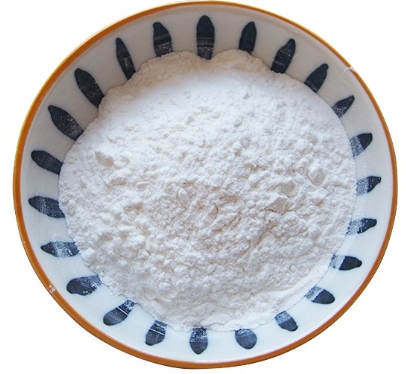
Vitamin B1 CAS:59-43-8 Manufacturer Price
Vitamin B1 feed grade is a concentrated form of Thiamine that is specifically designed for animal nutrition. It is commonly added to animal diets to ensure adequate levels of this important vitamin.
Thiamine is involved in various metabolic processes within animals. It helps convert carbohydrates into energy, supports proper nervous system function, and is necessary for the proper functioning of enzymes involved in the metabolism of fats and proteins.
Supplementing animal diets with Vitamin B1 feed grade can have several benefits. It supports healthy growth and development, aids in maintaining proper appetite and digestion, and promotes a healthy nervous system. Thiamine deficiency can lead to conditions like beriberi and polyneuritis, which can impact animal health and productivity. Therefore, ensuring sufficient levels of Vitamin B1 in the diet is crucial.
Vitamin B1 feed grade is commonly added to feed formulations for various animals, including poultry, swine, cattle, sheep, and goats. The dosage and application guidelines may vary based on the specific animal species, age, and production stage. It is recommended to consult with a veterinarian or animal nutritionist to determine the appropriate dosage and application method for specific animals.
-
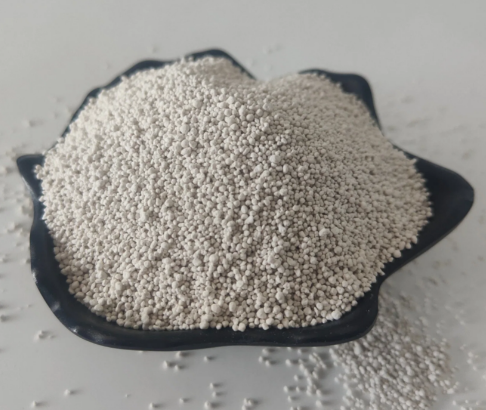
Monodicalcium Phosphate (MDCP) CAS:7758-23-8
Monodicalcium Phosphate (MDCP) feed grade is a nutritional supplement commonly used in animal feed. It is a calcium and phosphorus source that supports proper bone development, muscle function, and overall growth in animals. MDCP is easily absorbed and utilized by animals, optimizing nutrient utilization and promoting better growth and performance. It can be used in various forms, such as powder or granules, and is typically included in animal feeds as premixes, concentrates, or complete feeds. Dosage instructions and consultation with a qualified nutritionist or veterinarian are recommended for proper use.
-
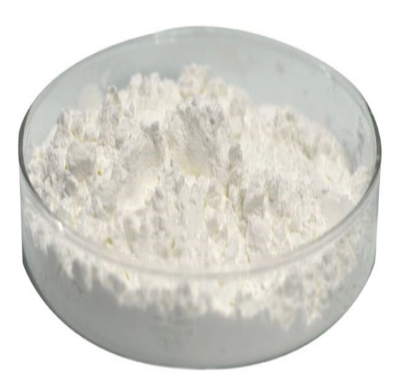
Tricalcium Phosphate (TCP) CAS:68439-86-1
Tricalcium Phosphate (TCP) feed grade is a calcium and phosphorus supplement commonly used in animal feed. It is a white, powdery substance that provides essential minerals for proper growth, bone development, and overall health in animals. TCP feed grade is easily absorbed and utilized by animals, promoting better nutrient utilization and improved performance. It is particularly beneficial for young, growing animals and can be used in various animal diets, including poultry, swine, ruminant, and aquaculture feeds. The inclusion level of TCP in animal feed should be determined based on specific nutritional requirements and diet formulation, following recommended guidelines and consulting with a nutritionist or veterinarian.