-
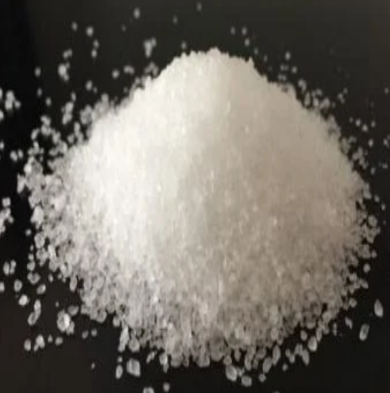
Urea Phosphate (UP) CAS:4861-19-2
It is a NP water-soluble fertilizer with acid reaction for fertirrigation with a high percentage of nitrogen and phosphorus. It features a high degree of purity and solubility; the acid reaction favors absorption of N and P as well as the other nutritive elements present in the soil or added to the mixture. Nitrogen is present in the form of urea and phosphorus is totally water-soluble. This product, when used with hard water, prevents formation of scale and clogging in fertirrigation systems. The phosphorus contained is an excellent starter for crops, favoring root growth and rapid spring leafage by orchard crops.
-
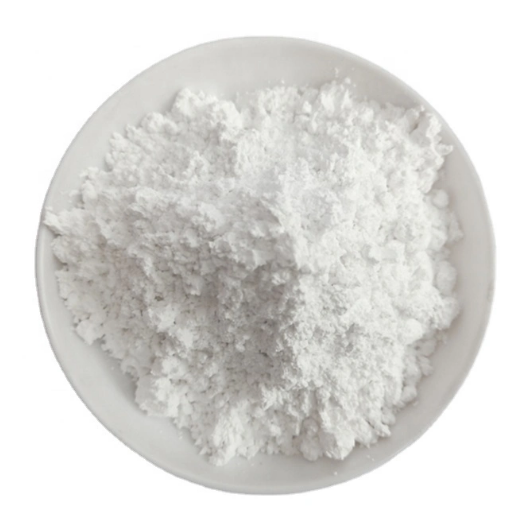
Zinc Oxide CAS:1314-13-2 Manufacturer Price
Zinc Oxide feed grade is a powdered form of zinc oxide that is specifically formulated and processed for use in animal feed. It is commonly used as a nutritional supplement to provide essential zinc to animals in a readily absorbable form. Zinc is an important mineral for animals as it plays a crucial role in various physiological processes, including growth, development, immune function, and reproduction.Zinc Oxide feed grade is manufactured under strict quality control measures to ensure its purity, bioavailability, and safety for animal consumption. It is typically added to animal feed formulations in precise amounts to meet the specific zinc requirements of different species and production stages.
-
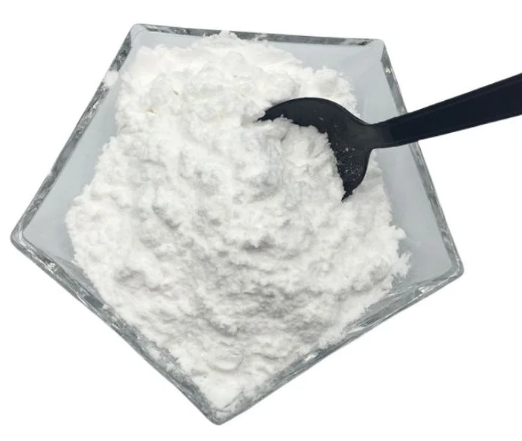
Vitamin B3 (Niacin) CAS:98-92-0
Vitamin B3, or niacin, in feed grade refers to a form of the vitamin that is specifically formulated for animal feed. It is a water-soluble vitamin belonging to the B-complex group and plays a crucial role in the metabolic processes of animals. Vitamin B3 is essential for energy production, proper functioning of the nervous system, maintenance of skin health, and promotion of digestive health in animals. In feed grade, niacin is commonly added to animal diets to ensure optimal growth, development, and overall well-being.
-
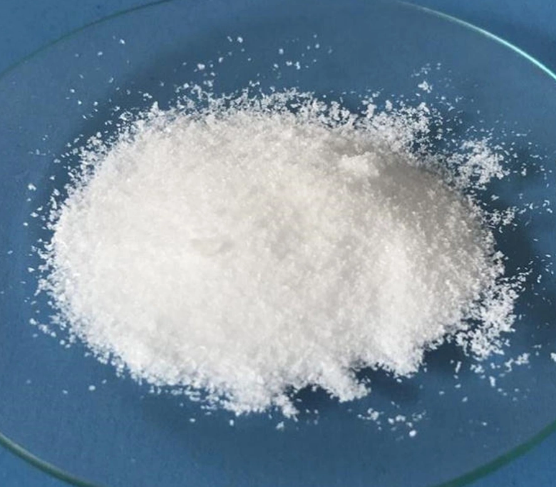
Potassium Chloride CAS:7447-40-7
Potassium Chloride feed grade is a white crystalline salt that is commonly used as a supplement in animal feed. It is composed of potassium and chloride ions and is known for its ability to maintain proper electrolyte balance and promote healthy growth and development in animals.
Feed-grade potassium chloride is a cost-effective source of potassium, an essential mineral that plays a crucial role in various physiological processes in animals. It helps maintain proper fluid balance, nerve function, muscle contraction, and enzyme activity. Additionally, potassium chloride is involved in the acid-base balance and the production of energy within the cells.
In animal nutrition, potassium chloride is typically added to feed formulations to ensure animals receive the necessary potassium intake required for optimal health and performance. It is commonly used in the diets of poultry, swine, cattle, and other livestock.
-
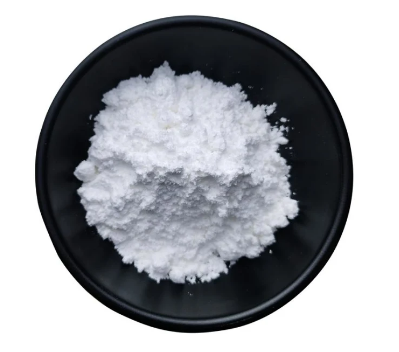
Xylanase CAS:37278-89-0 Manufacturer Price
Xylan is a heterogeneous polysaccharide in plant cell wall. It accounts for 15%~35% of plant cell dry weight and is the main component of plant hemicelllose. Most xylans are complex, highly branched heterogeneous polysaccharides containing many different substituents. Therefore, the biodegradation of Xylan requires a complex enzyme system to degrade Xylan through the synergistic interaction of various components. So Xylanase is a group of enzymes, not an enzyme.
-
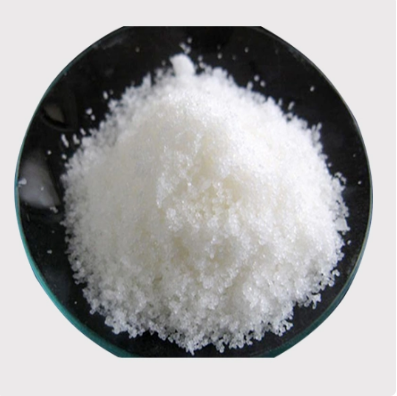
Zinc Sulfate Heptahydrate CAS:7446-20-0
Zinc Sulfate Heptahydrate feed grade is a supplement commonly used in animal feed. It is a white, crystalline powder that contains approximately 22% elemental zinc. Zinc is an essential mineral for proper growth and development, as well as immune function in animals. This feed grade supplement ensures that animals receive an adequate intake of zinc, promoting optimal health and performance.
-
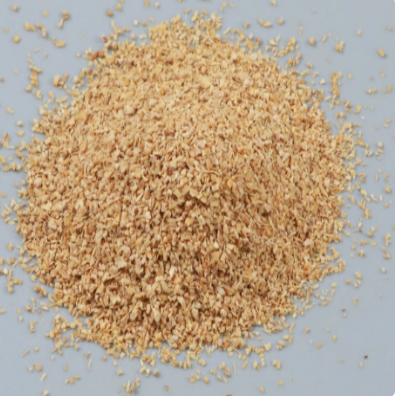
Vitamin B4 (Choline Chloride 60% Corn Cob) CAS:67-48-1
Choline Chloride, commonly known as Vitamin B4, is a vital nutrient for animals, particularly poultry, swine, and ruminants. It is essential for various physiological functions in animals, including liver health, growth, fat metabolism, and reproductive performance.
Choline is a precursor to acetylcholine, a neurotransmitter that plays a crucial role in nerve function and muscle control. It also contributes to the formation of cell membranes and helps in the transport of fat in the liver. Choline Chloride is beneficial in preventing and treating conditions like fatty liver syndrome in poultry and hepatic lipidosis in dairy cows.
Supplementing animal feed with Choline Chloride can have several positive effects. It can improve growth, enhance feed efficiency, and support proper fat metabolism, resulting in increased lean meat production and improved weight gain. Additionally, Choline Chloride aids in the synthesis of phospholipids, which are critical for maintaining the integrity of cell membranes and overall cellular function.
In poultry, Choline Chloride has been linked to improved livability, reduced mortality, and enhanced egg production. It is particularly important during periods of high energy demand, such as growth, reproduction, and stress.
-
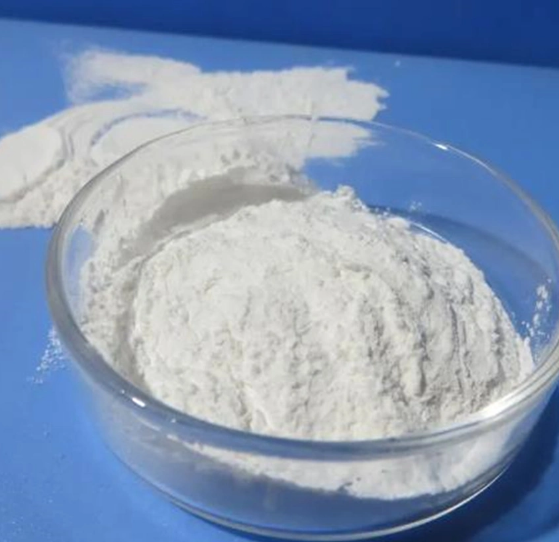
Potassium Iodine CAS:7681-11-0
Potassium iodine feed grade is a specific grade of potassium iodine that is used as a supplement in animal feed. It is formulated to provide animals with adequate levels of iodine, a vital mineral for their proper growth, development, and overall health. By adding potassium iodine feed grade to their diet, animals can maintain proper thyroid function, which is important for metabolism, reproduction, and immune system function. This feed grade supplement helps prevent iodine deficiency and supports optimal animal health and well-being.
-
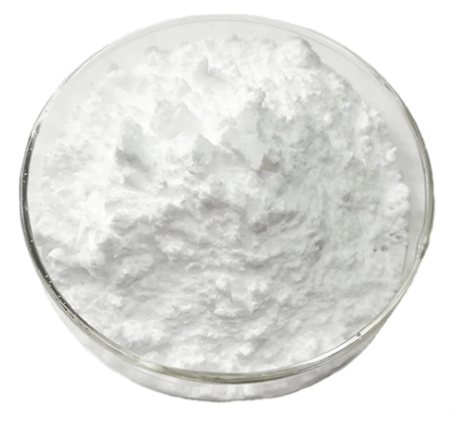
α-Amylase CAS:9000-90-2 Manufacturer Price
Fungal α-amylase is an Fungal α-amylase is an endo type of α-amylase that hydrolyzes the α-1,4-glucosidic linkages of gelatinized starch and soluble dextrin randomly, giving rise to o oligosaccharides and a small amount of dextrin which is beneficial for flour correction, yeast growth and crumb structure as well as volume of baked products.
-
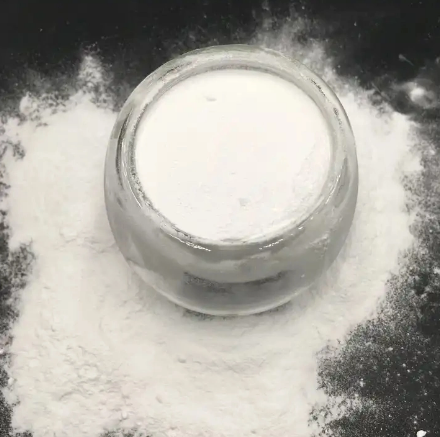
Zinc Sulphate Monohydrate CAS:7446-19-7
Zinc Sulphate Monohydrate feed grade is a high-quality mineral supplement specifically formulated for animal feed. It is a white crystalline powder that contains a combination of zinc and sulphate ions. Adding Zinc Sulphate Monohydrate to animal feed can provide numerous benefits, including supporting growth and development, enhancing immune function, improving skin and coat health, and promoting reproductive health in animals.
-
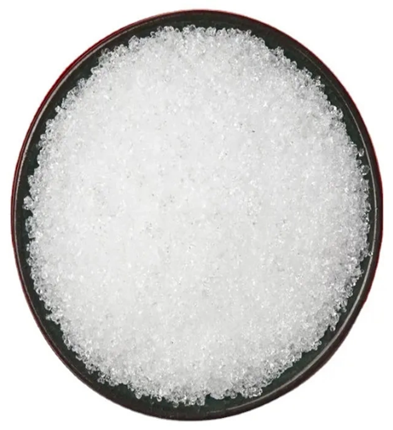
Tripe Super Phosphate (TSP) CAS:65996-95-4
Tripe Super Phosphate (TSP) feed grade is a phosphorus fertilizer that is commonly used in animal agriculture to supplement the diets of livestock and poultry. It is a granular phosphate fertilizer mainly composed of dicalcium phosphate and monocalcium phosphate, providing a high concentration of phosphorus for animals.TSP feed grade is primarily used to address phosphorus deficiencies in animal diets. Phosphorus is an essential mineral for animals as it plays a vital role in various physiological processes including bone formation, energy metabolism, and reproduction. It is particularly important in young animals for proper growth and development.By adding TSP to animal feed, farmers and feed manufacturers can ensure that animals receive an adequate and balanced supply of phosphorus. This helps prevent phosphorus deficiencies, which can lead to reduced growth rates, weakened bones, decreased reproductive performance, and other health issues.The specific dosage and incorporation of TSP into animal feed should be determined based on the nutritional requirements of the animal species, age, weight, and other factors. Consulting with a qualified nutritionist or veterinarian is recommended to ensure the proper use of TSP in animal diets.
-
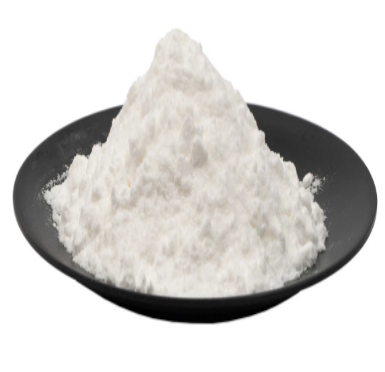
α-Galactosidase CAS:9025-35-8
α-galactosidase is a glycoside hydrolase that catalyzes the hydrolysis of α-galactosidase bonds. Oligosaccharides such as raffinose, stachyose and verbasose can also hydrolyze polysaccharides containing α-galactosidase bonds, such as galactomannan, locust bean gum, guar gum, etc.

