-

Fmoc-Gln-OH CAS:118609-68-0
Fmoc-Gln-OH, or Fmoc-glutamine, is a key component in peptide synthesis. This compound features a 9-fluorenylmethoxycarbonyl (Fmoc) protecting group attached to the glutamine molecule. Fmoc-Gln-OH plays a crucial role in peptide chemistry, providing enhanced selectivity during peptide chain elongation and controlled manipulation of the glutamine side chain.
-
Fmoc -Glu(OBut)-OSu CAS:101214-22-6
Fmoc-Glu(OBut)-OSu is a significant compound in peptide synthesis. This derivative of glutamic acid features a 9-fluorenylmethoxycarbonyl (Fmoc) protecting group attached to the amino group, with an additional butyl group safeguarding the carboxyl group, and activated as an N-hydroxysuccinimide ester. Fmoc-Glu(OBut)-OSu facilitates peptide conjugation reactions by reacting with primary amines, enabling efficient peptide coupling with amine-containing molecules or surfaces.
-
Fmoc-Glu(OBut)-OH CAS:71989-18-9
Fmoc-Glu(OBut)-OH, or Fmoc-glutamic acid with butyl (OBut) protection, is a key component in peptide synthesis. This compound features a 9-fluorenylmethoxycarbonyl (Fmoc) protecting group attached to the glutamic acid molecule, with an additional butyl group safeguarding the carboxyl group. Fmoc-Glu(OBut)-OH plays a vital role in peptide chemistry, providing enhanced selectivity during peptide chain elongation and controlled manipulation of the glutamic acid carboxyl group.
-
Fmoc-D-Cys(Trt)-OH CAS:167015-11-4
Fmoc-D-Cys(Trt)-OH, or Fmoc-D-cysteine with trityl (Trt) protection, is a critical compound in peptide synthesis. This derivative features a 9-fluorenylmethoxycarbonyl (Fmoc) protecting group attached to the D-enantiomer of cysteine, with an additional trityl group safeguarding the thiol functionality. Fmoc-D-Cys(Trt)-OH plays a pivotal role in peptide chemistry, providing enhanced selectivity during peptide chain elongation and controlled manipulation of the D-cysteine thiol group.
-
Fmoc-MeGly-OH CAS:77128-70-2
Fmoc-MeGly-OH is a high-quality, protected form of N-methyl glycine, commonly known as sarcosine, utilized in peptide synthesis. This product features the Fmoc (9-fluorenylmethyloxycarbonyl) protecting group on the amino terminus, ensuring stability during peptide assembly. With its exceptional purity and consistent quality, Fmoc-MeGly-OH serves as an essential building block for the efficient and reliable synthesis of diverse peptides, including those with modified backbone structures.
-

Fmoc-Cys(But)-OH CAS:67436-13-9
Fmoc-Cys(But)-OH, or Fmoc-cysteine with butyl (But) protection, is a pivotal compound in peptide synthesis. This derivative features a 9-fluorenylmethoxycarbonyl (Fmoc) protecting group attached to the cysteine molecule, with an additional butyl group safeguarding the thiol functionality. Fmoc-Cys(But)-OH plays a crucial role in peptide chemistry, providing enhanced selectivity during peptide chain elongation and controlled manipulation of the cysteine thiol group.
-
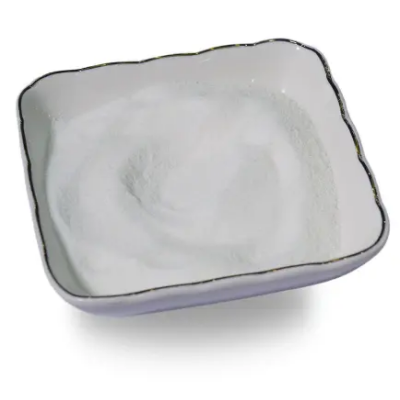
Fmoc-Glu(OBzl)-OH CAS:123639-61-2
Fmoc-Glu(OBzl)-OH, or Fmoc-glutamic acid with benzyl (OBzl) protection, is a crucial component in peptide synthesis. This derivative features a 9-fluorenylmethoxycarbonyl (Fmoc) protecting group attached to the glutamic acid molecule, with an additional benzyl group safeguarding the carboxyl group. Fmoc-Glu(OBzl)-OH plays a pivotal role in peptide chemistry, offering enhanced selectivity during peptide chain elongation and controlled manipulation of the glutamic acid carboxyl group.
-

Fmoc-Asp(OcHx)-OH CAS:130304-80-2
Fmoc-Asp(OcHx)-OH, or Fmoc-aspartic acid with octyl (OcHx) protection, is a vital compound in peptide synthesis. This derivative features a 9-fluorenylmethoxycarbonyl (Fmoc) protecting group attached to the aspartic acid molecule, with an additional octyl group safeguarding the carboxyl group. Fmoc-Asp(OcHx)-OH plays a crucial role in peptide chemistry, offering enhanced selectivity during peptide chain elongation and controlled manipulation of the aspartic acid carboxyl group.
-

Fmoc-D-Asn-OH CAS:108321-39-7
Fmoc-D-Asn-OH, or Fmoc-D-asparagine, is a significant derivative in peptide synthesis, featuring a 9-fluorenylmethoxycarbonyl (Fmoc) protecting group attached to the D-enantiomer of asparagine. This compound plays a pivotal role in solid-phase and solution-phase peptide synthesis, selectively protecting the amino group of D-asparagine for controlled peptide chain elongation. Fmoc-D-Asn-OH is recognized for its compatibility with various coupling reagents and solid supports, contributing to its importance in the realm of peptide chemistry.
-
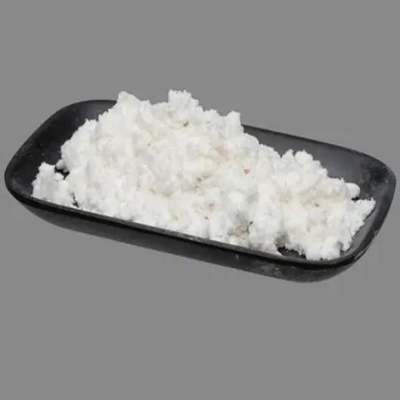
Fmoc-D-Asp(OBut)-OH CAS:112883-39-3
Fmoc-D-Asp(OBut)-OH, or Fmoc-D-aspartic acid with O-butyl (OBut) protection, is a crucial compound in peptide synthesis. This derivative features a 9-fluorenylmethoxycarbonyl (Fmoc) protecting group attached to the D-enantiomer of aspartic acid, with an additional O-butyl group safeguarding the carboxyl group. Fmoc-D-Asp(OBut)-OH plays a pivotal role in peptide chemistry, offering enhanced selectivity during peptide chain elongation and controlled manipulation of the D-aspartic acid carboxyl group.
-
Fmoc-Asp(OBzl)-OH CAS:86060-84-6
Fmoc-Asp(OBzl)-OH, or Fmoc-aspartic acid with benzyl (OBzl) protection, is a pivotal component in peptide synthesis. This derivative features a 9-fluorenylmethoxycarbonyl (Fmoc) protecting group attached to the aspartic acid molecule, with an additional benzyl group safeguarding the carboxyl group. Fmoc-Asp(OBzl)-OH is renowned for its role in peptide chemistry, offering enhanced selectivity during peptide chain elongation and controlled manipulation of the aspartic acid carboxyl group.
-
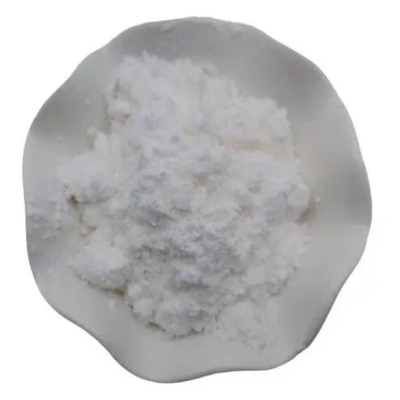
Fmoc-Asn-OH CAS:71989-16-7
Fmoc-Asn-OH, or Fmoc-asparagine, is a vital component in peptide synthesis, featuring a 9-fluorenylmethoxycarbonyl (Fmoc) protecting group attached to the asparagine molecule. Widely utilized in both solid-phase and solution-phase peptide synthesis, this derivative selectively shields the amino group of asparagine, facilitating controlled peptide chain elongation. Fmoc-Asn-OH is recognized for its compatibility with various coupling reagents and solid supports, making it a cornerstone in the field of peptide chemistry.