-
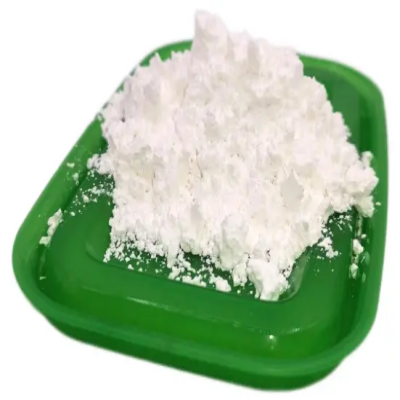
Fmoc-Arg(NO2)-OH CAS:58111-94-7
Fmoc-Arg(NO2)-OH, or Fmoc-nitroarginine, is a specialized derivative of arginine utilized in peptide synthesis. This compound features a 9-fluorenylmethoxycarbonyl (Fmoc) protecting group attached to a nitro-substituted arginine molecule. The nitro group introduces unique chemical reactivity, expanding the application of this derivative in peptide chemistry. Fmoc-Arg(NO2)-OH is instrumental in the controlled modification of peptides, enabling the incorporation of nitro functionality into peptide sequences for diverse research and synthesis purposes.
-

Fmoc-Arg-OH CAS:91000-69-0
Fmoc-Arg-OH, or Fmoc-arginine, is a crucial component in peptide synthesis, featuring a 9-fluorenylmethoxycarbonyl (Fmoc) protecting group attached to the arginine molecule. This derivative is widely employed in solid-phase peptide synthesis (SPPS) and solution-phase peptide synthesis due to its ability to selectively protect the arginine’s amino group, facilitating controlled peptide chain elongation. Fmoc-Arg-OH is recognized for its compatibility with various coupling reagents and solid supports, making it an essential tool for researchers in the field of peptide chemistry.
-
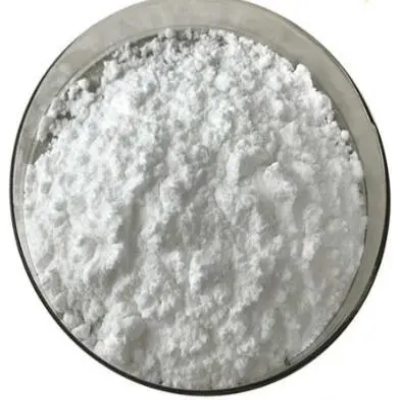
Boc-Trp-OH CAS:13139-14-5
Boc-Trp-OH, also known as N-tert-butoxycarbonyl-L-tryptophan, is a vital compound widely used in peptide synthesis and pharmaceutical research. This crystalline substance, with a molecular formula of C17H20N2O4, serves as a fundamental building block for the creation of custom peptides and peptidomimetics. With high purity and precise chemical properties, it plays an essential role in the production of complex peptide structures for various biomedical applications.
-
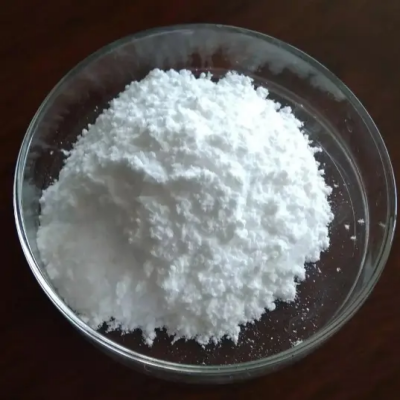
Boc-Trp-OSu CAS:3392-11-8
Boc-Trp-OSu, or N-tert-butoxycarbonyl-L-tryptophan N-hydroxysuccinimide ester, is a valuable compound widely used in peptide synthesis and bioconjugation chemistry. This reagent consists of Boc-protected tryptophan coupled to an N-hydroxysuccinimide (NHS) ester group, making it a versatile tool for the selective modification of amino groups in peptides and proteins. Boc-Trp-OSu is utilized in various bioconjugation strategies, enabling the site-specific attachment of peptides to targeting molecules, surfaces, or other biomolecules for biomedical research and therapeutic applications.
-
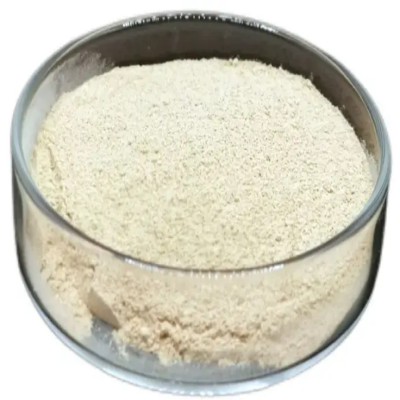
Boc-D-Tyr-OH CAS:70642-86-3
Boc-D-Tyr-OH, or N-tert-butoxycarbonyl-D-tyrosine, is a critical compound extensively employed in peptide synthesis and pharmaceutical research. This crystalline substance, with a molecular formula of C14H17NO5, serves as a fundamental building block for creating custom peptides and peptidomimetics. With high purity and precise chemical properties, it plays an essential role in the production of complex peptide structures for various biomedical applications.
-

Boc-D-Tyr(Bzl)-OH CAS:63769-58-4
Boc-D-Tyr(Bzl)-OH, also known as N-tert-butoxycarbonyl-D-tyrosine benzyl ester, is a significant compound widely used in peptide synthesis and pharmaceutical research. This crystalline substance, with a molecular formula of C26H23NO5, serves as a fundamental building block for creating custom peptides and peptidomimetics. With high purity and precise chemical properties, it plays an essential role in the production of complex peptide structures for various biomedical applications.
-

Boc-D-Trp-OH CAS:5241-64-5
Boc-D-Trp-OH, also known as N-tert-butoxycarbonyl-D-tryptophan, is a crucial compound widely used in peptide synthesis and pharmaceutical research. This crystalline substance, with a molecular formula of C17H20N2O4, serves as a fundamental building block for the creation of custom peptides and peptidomimetics. With high purity and precise chemical properties, it plays an essential role in the production of complex peptide structures for various biomedical applications.
-

Boc-D-Ser-OH CAS:6368-20-3
Boc-D-Ser-OH, also known as N-tert-butoxycarbonyl-D-serine, is a critical compound widely used in peptide synthesis and pharmaceutical research. This crystalline substance, with a molecular formula of C11H19NO5, serves as a fundamental building block for the creation of custom peptides and peptidomimetics. With high purity and precise chemical properties, it plays an essential role in the production of complex peptide structures for various biomedical applications.
-

Fmoc-Arg(pbf)-OH CAS:154445-77-9
Fmoc-Arg(pbf)-OH, or Fmoc-arginine with p-benzyloxycarbonyl protection, is a specialized derivative used in peptide synthesis. This compound features a 9-fluorenylmethoxycarbonyl (Fmoc) protecting group attached to an arginine molecule, with an additional p-benzyloxycarbonyl (pbf) protecting group on the guanidine nitrogen. Fmoc-Arg(pbf)-OH is known for its role in peptide chemistry, where the dual protection enhances selectivity during peptide chain elongation and allows for controlled manipulation of guanidine reactivity.
-

Boc-D-Ser(Bzl)-OH CAS:47173-80-8
Boc-D-Ser(Bzl)-OH, also known as N-tert-butoxycarbonyl-D-serine benzyl ester, is a crucial compound widely used in peptide synthesis and pharmaceutical research. This crystalline substance, with a molecular formula of C19H23NO6, serves as a fundamental building block for the creation of custom peptides and peptidomimetics. With high purity and precise chemical properties, it plays an essential role in the production of complex peptide structures for various biomedical applications.
-
Boc-Pro-OMe(oil) CAS:59936-29-7
Boc-Pro-OMe, also known as N-tert-butoxycarbonyl-L-proline methyl ester, is a valuable compound frequently utilized in peptide synthesis and pharmaceutical research. This oily substance, with a molecular formula of C12H21NO4, serves as an essential building block for the creation of custom peptides and peptidomimetics. Its high purity and precise chemical properties make it a crucial component in the production of complex peptide structures for various biomedical applications.
-

Boc-Ser(But)-OH CAS:13734-38-8
Boc-Ser(But)-OH, also known as N-tert-butoxycarbonyl-L-serine butyl ester, is a valuable compound widely utilized in peptide synthesis and pharmaceutical research. This crystalline substance, with a molecular formula of C13H25NO5, serves as a crucial building block for the creation of custom peptides and peptidomimetics. With high purity and precise chemical properties, it plays an essential role in the production of complex peptide structures for various biomedical applications.

