-
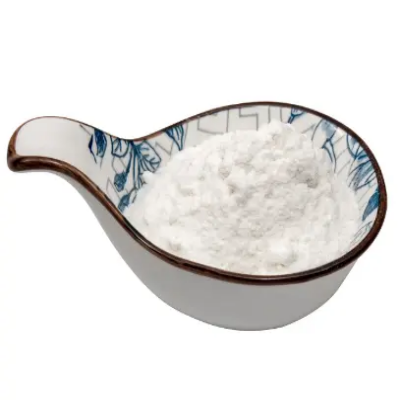
Tetrakis(triphenylphosphine)palladium(0) CAS:14221-01-3
Tetrakis(triphenylphosphine)palladium(0) is a coordination complex featuring palladium in the 0 oxidation state, coordinated with four triphenylphosphine ligands. This compound is extensively studied and utilized in various catalytic and synthetic applications due to its unique coordination geometry and reactivity. The presence of palladium in the 0 oxidation state makes this complex particularly interesting for catalytic purposes.
-
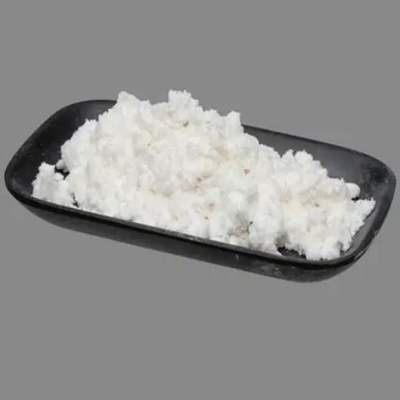
Prop-1-ene-1,3-sultone CAS:21806-61-1
Prop-1-ene-1,3-sultone is a chemical compound with a sulfonic ester structure, consisting of a four-membered ring containing a sulfur atom and a double bond. This molecule possesses unique reactivity and properties that make it valuable in various applications. It is known for its ability to undergo ring-opening reactions, enabling the introduction of sulfonic acid groups into organic molecules, which can lead to the modification of their properties and functionalities. Additionally, prop-1-ene-1,3-sultone is recognized for its potential as a reactive intermediate in organic synthesis, allowing for the incorporation of sulfonate groups into diverse chemical compounds.
-

Lithium bis(trifluoromethanesulphonyl)imide CAS:90076-65-6
Lithium bis(trifluoromethanesulphonyl)imide is a lithium salt with the chemical formula LiN(CF3SO2)2. It is a white crystalline powder and is commonly used as an electrolyte in lithium-ion batteries and as a conducting salt in organic electronics.
-
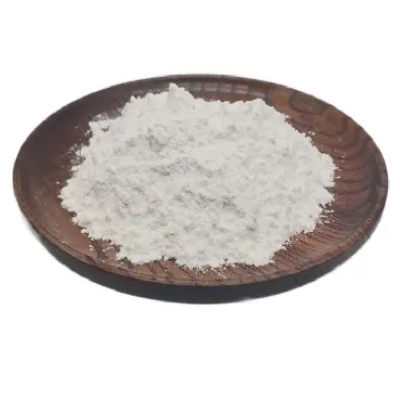
Bis(tri-t-butylphosphine)palladium(0) CAS:53199-31-8
Bis(tri-tert-butylphosphine)palladium(0), often denoted as Pd(P(t-Bu)3)2, is a coordination complex featuring palladium in the 0 oxidation state. This compound consists of a palladium center coordinated to two molecules of tri-tert-butylphosphine ligands. It is widely used as a catalyst in various organic transformations, particularly in the field of homogeneous catalysis.
-

Palladium(II) 2,2,2-trifluoroacetate CAS:42196-31-6
Palladium(II) trifluoroacetate is a coordination complex featuring palladium in the +2 oxidation state, with trifluoroacetate ligands. This compound is utilized as a catalyst in various organic transformations, particularly in the field of homogeneous catalysis. Its unique structure and reactivity make it an important model compound for understanding the behavior of palladium catalysts in organic synthesis.
-
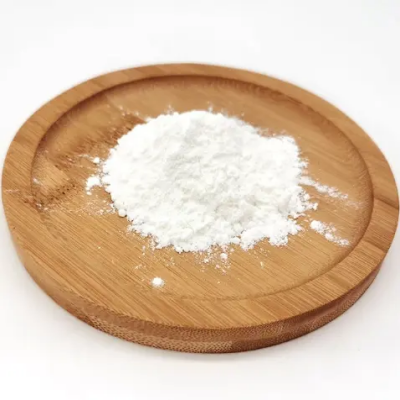
Diacetatobis(Triphenylphosphosphate) Palladium (11) CAS:14588-08-0
Diacetatobis(Triphenylphosphine) Palladium(II) is a coordination complex featuring palladium in the +2 oxidation state, coordinated with acetate and triphenylphosphine ligands. This compound is used as a catalyst in various organic transformations, particularly in the field of homogeneous catalysis. Its unique structure and reactivity make it an important model compound for understanding the behavior of palladium catalysts in organic synthesis.
-
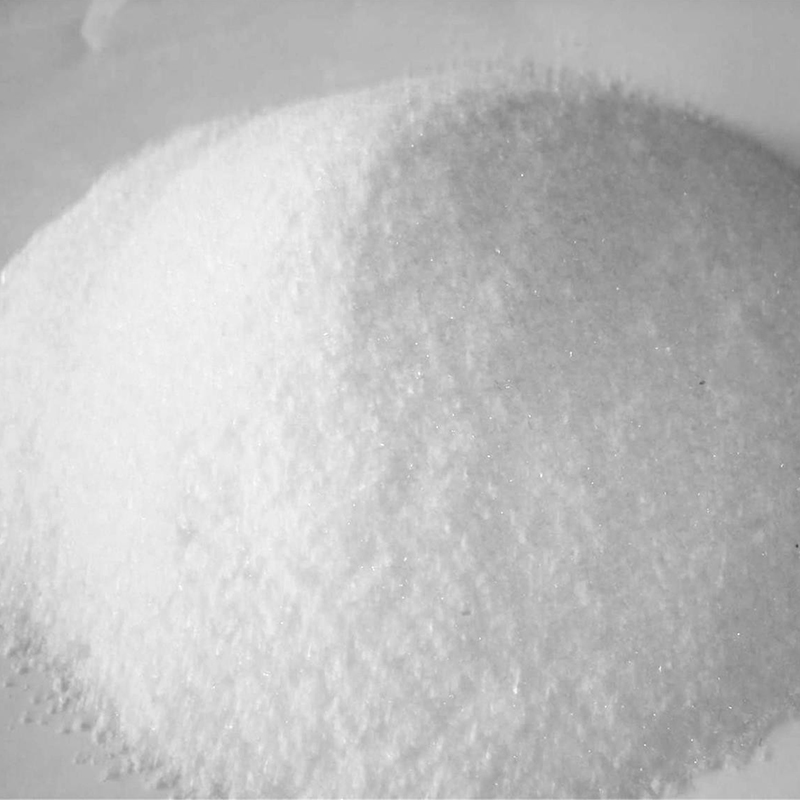
Tris(dibenzylideneacetone)dipalladium(0) CAS:51364-51-3
Tris(dibenzylideneacetone)dipalladium(0) is a coordination complex featuring palladium in the 0 oxidation state, coordinated with three molecules of dibenzylideneacetone. This compound is extensively studied and utilized in various catalytic and synthetic applications due to its unique coordination geometry and reactivity. The presence of palladium in the 0 oxidation state makes this complex particularly interesting for catalytic purposes.
-
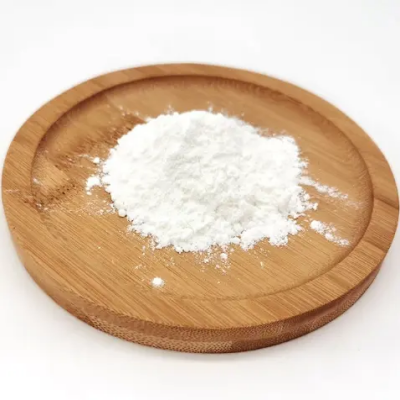
Dichlorobis(di-tert-butylphenylphosphine)palladium(II)CAS:34409-44-4
Dichlorobis(di-tert-butylphenylphosphine)palladium(II), also known as PdCl2(dtbpp)2, is a coordination complex featuring palladium in the +2 oxidation state. This compound consists of a palladium center coordinated to two chloride ligands and two molecules of di-tert-butylphenylphosphine (dtbpp). It is a valuable catalyst in various organic transformations, particularly in the field of organic synthesis.
-
![dichloro[(1,2,5,6-η)-cycloocta-1,5-diene]palladium CAS:12107-56-1](https://cdn.globalso.com/xindaobiotech/02MHOTZ@JJJ5JECNY66BYI2.png)
dichloro[(1,2,5,6-η)-cycloocta-1,5-diene]palladium CAS:12107-56-1
Dichloro[(1,2,5,6-η)-cycloocta-1,5-diene]palladium is an organometallic compound with the chemical formula [PdCl2(C8H12)]. It is a yellow crystalline solid and is commonly used as a catalyst in various organic synthesis reactions. The compound contains a palladium atom coordinated with two chloride ligands and the cycloocta-1,5-diene ligand.
-
![Dichloro[bis(1,3-diphenylphosphino)propane]palladium(II) CAS:59831-02-6](https://cdn.globalso.com/xindaobiotech/02MHOTZ@JJJ5JECNY66BYI1.png)
Dichloro[bis(1,3-diphenylphosphino)propane]palladium(II) CAS:59831-02-6
Dichloro[bis(1,3-diphenylphosphino)propane]palladium(II), also known as Pd(dppp)Cl2, is a coordination complex featuring palladium in the +2 oxidation state. This compound consists of a palladium center coordinated to two chloride ligands and two molecules of 1,3-diphenylphosphino)propane (dppp). It is a yellow crystalline solid that is widely used as a catalyst in various organic transformations, particularly in the field of organic synthesis.
-
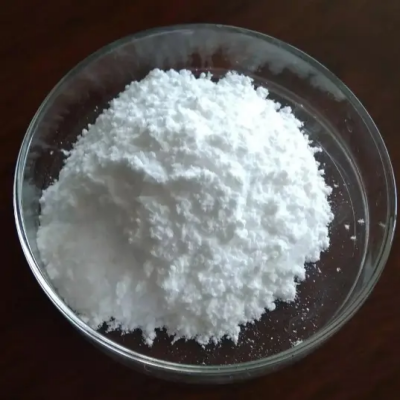
carbanide,chloropalladium(1+),(1Z,5Z)-cycloocta-1,5-diene CAS:63936-85-6
Carbonyl chloride is a chemical compound with the formula COCl2. It’s also known as phosgene and it has an irritating odor similar to hydrogen cyanide (HCN). Carbonyl chloride exists in two forms: gaseous form at room temperature or solid form under pressure. In its liquid state, carbonyl chloride appears colorless or slightly yellowish. This substance reacts readily with water producing carbon dioxide gas (CO2) and hydrochloric acid (HCl), which can cause severe burns when exposed directly on skin or eyes. It finds use mainly in organic synthesis reactions where it acts as a source of “CO” for various transformations like forming esters from alcohols, preparing ureas from amines etc. Additionally, it serves as a precursor for many other important industrial products such as polyurethanes, pesticides, herbicides among others.
-
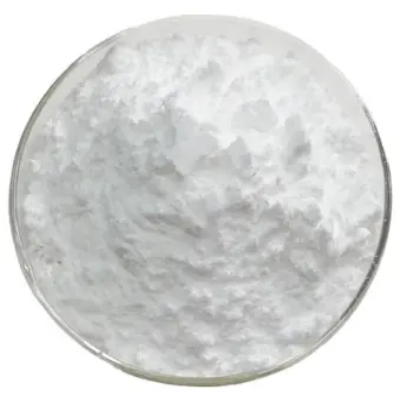
Palladium(II) acetylacetonate CAS:14024-61-4
Palladium(II) acetylacetonate is a coordination complex containing palladium in the +2 oxidation state, coordinated with acetylacetonate ligands. This compound is widely used as a catalyst in various organic transformations, particularly in the field of homogeneous catalysis. Its unique structure and reactivity make it an important model compound for understanding the behavior of palladium catalysts in organic synthesis.