-
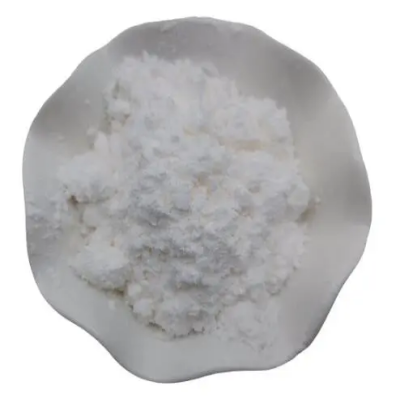
3,3′,4,4′-Biphenyltetracarboxylic dianhydride CAS:2420-87-3
3,3′,4,4′-Biphenyltetracarboxylic dianhydride is a chemical compound with a molecular structure containing two anhydride groups and four carboxylic acid groups arranged on a biphenyl backbone. This compound is commonly used in the production of high-performance polymers and as a crosslinking agent due to its unique chemical properties.
-
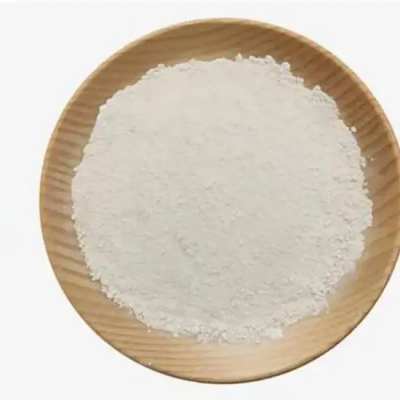
N-Ethylcarbazole CAS:86-28-2
N-Ethylcarbazole is a chemical compound with a molecular structure consisting of a carbazole ring with an ethyl group attached to it. This compound is widely utilized in the production of dyes, pigments, and pharmaceuticals due to its unique chemical properties.
-
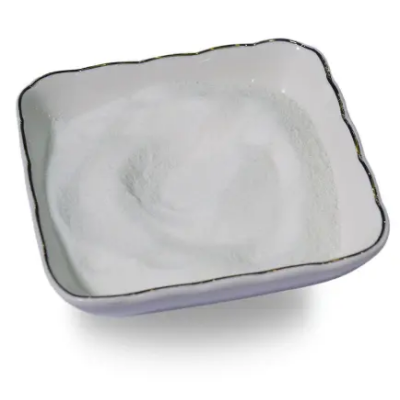
1,1′-(9-Ethyl-9H-carbazole-3,6-diyl)bis(3-phenylprop-2-en-1-one) CAS:1104847-85-9
1,1′-(9-Ethyl-9H-carbazole-3,6-diyl)bis(3-phenylprop-2-en-1-one) is a complex organic compound with a molecular structure consisting of two 3-phenylprop-2-en-1-one groups connected by a 9-ethyl-9H-carbazole-3,6-diyl bridge. This compound is used in organic synthesis and has potential applications in various fields due to its unique chemical structure.
-
![[4-(4-Aminobenzoyl)oxyphenyl] 4-aminobenzoate CAS:22095-98-3](https://cdn.globalso.com/xindaobiotech/6FOL1BS0UMD0X9Z40219.png)
[4-(4-Aminobenzoyl)oxyphenyl] 4-aminobenzoate CAS:22095-98-3
Chemical compound [4-(4-Aminobenzoyl)oxyphenyl] 4-aminobenzoate, also known as Aminobenzoic Acid Ester, is a complex organic compound with a molecular structure that consists of a 4-aminobenzoyl group linked to a phenyl group through an oxygen atom, and another 4-aminobenzoate group attached to the phenyl group. This compound is commonly used in the field of organic chemistry and pharmaceutical research due to its unique molecular structure and potential applications.
-
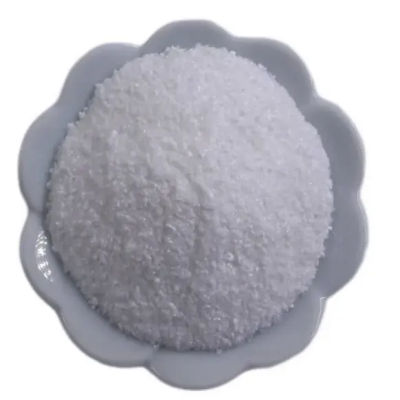
9-Ethyl-9H-carbazole-3,6-dicarboxaldehyde CAS:70207-46-4
9-Ethyl-9H-carbazole-3,6-dicarboxaldehyde is a chemical compound with a molecular structure containing a carbazole ring and two aldehyde groups, with an ethyl group attached to the carbazole ring. This compound may have applications in organic synthesis, materials science, and chemical research due to its unique structural features and potential reactivity.
-

4,4′-BIS(METHOXYMETHYL)DIPHENYL ETHER CAS:2509-26-4
4,4′-BIS(METHOXYMETHYL)DIPHENYL ETHER is used as a heat-resistant additive in polymers and plastics, contributing to improved thermal stability and flame retardancy. It finds application in the production of electronic components, automotive parts, and construction materials where enhanced heat resistance and fire safety are essential.
-
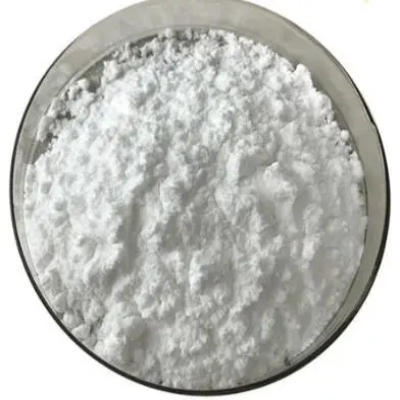
Polystyrene sulfonic acid CAS:28210-41-5
Polystyrene sulfonic acid is a polymer-based material known for its strong acidic properties, high thermal stability, and excellent ion-exchange capabilities. It is a sulfonated copolymer of styrene and divinylbenzene, featuring a cross-linked structure that imparts robustness and durability to the material. Polystyrene sulfonic acid is typically available in the form of ion-exchange resins or membranes.
-
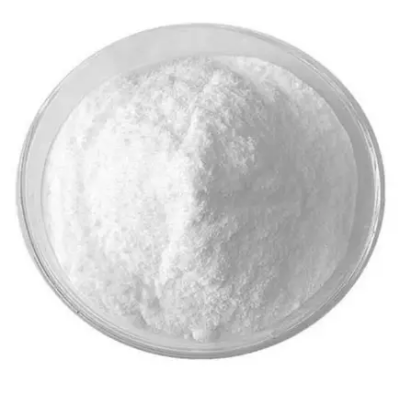
Parylene F CAS:1785-64-4
Parylene F, also known as poly-p-xylylene or PXF, is an organic polymer with high resistance against moisture, chemical solvents, and temperature variations. It has excellent electrical insulation properties due to its low dielectric constant and dissipation factor. Additionally, it’s biocompatible making it suitable for medical applications.
-
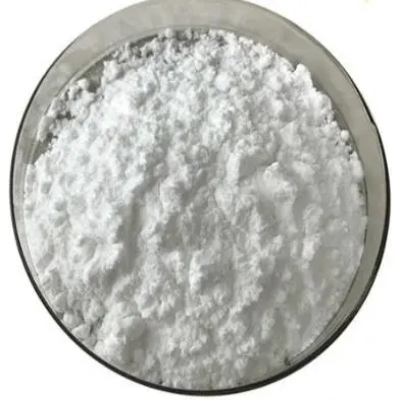
7-Bromoindole CAS:51417-51-7
7-Bromoindole is commonly used as a building block in the synthesis of pharmaceuticals, agrochemicals, and materials science. Its unique structure and reactivity make it a valuable intermediate in the creation of diverse chemical entities with potential biological and material applications.
-

Tris(2,2,2-trifluoroethyl) phosphite CAS:370-69-4
Tris(2,2,2-trifluoroethyl) phosphite is a chemical compound with the molecular formula C6H9F9O3P. It is a colorless liquid with a pungent odor and is commonly used as a reagent in organic synthesis and as a flame retardant.
-

Palladium(II) oxide CAS:1314-08-5
Palladium(II) oxide, also known as palladium dioxide, is a chemical compound composed of palladium in the +2 oxidation state combined with oxygen. It is a dark brown or black solid with a significant role in various industrial applications, catalysis, and materials science. Palladium(II) oxide exhibits unique properties that make it valuable for a wide range of chemical processes and industrial uses.
-
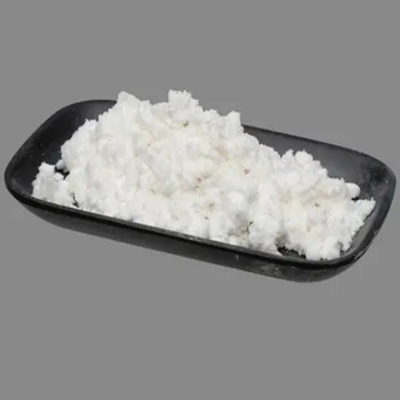
Palladium (II) acetate CAS:3375-31-3
Palladium(II) acetate is a chemical compound containing palladium in the +2 oxidation state coordinated with acetate ligands. It is a versatile and important compound with a wide range of applications in catalysis, materials science, and organic synthesis. The compound’s unique properties and reactivity make it a valuable tool in various chemical processes and industrial applications.

